If you want to learn how to cut-in paint like a pro (or how to cut-in paint fast if you’re on a time crunch), start with these pro-tips and tools to make your job easier and your need for do-overs or time-consuming cleanups non-existent.
Pro Tip #1: Know When To Cut-In Paint
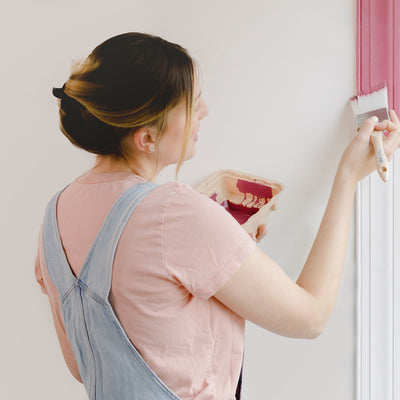
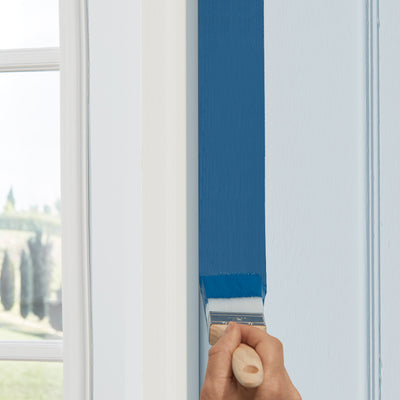
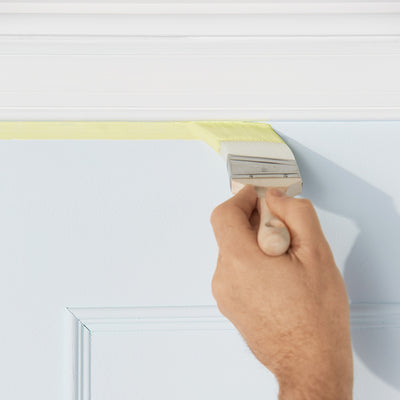
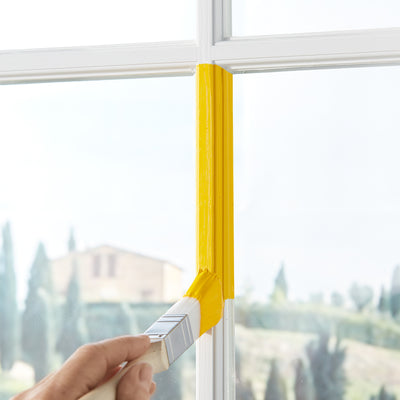
The only thing more important than learning how to cut-in edge when painting is to know when to cut-in. For instance, you would be doing yourself a favor to cut-in paint in any area where a roller cannot reach and easily cover the surface with paint, like next to trim, wall corners, and where the wall meets the ceiling. It also helps to cut-in paint during priming and for your first coat of paint. If you think your second coat would benefit from another cut-in, go for it! Typically though, it’s not necessary to cut-in twice for the final coats of color.
Pro Tip #2: Use the Right Paintbrushes
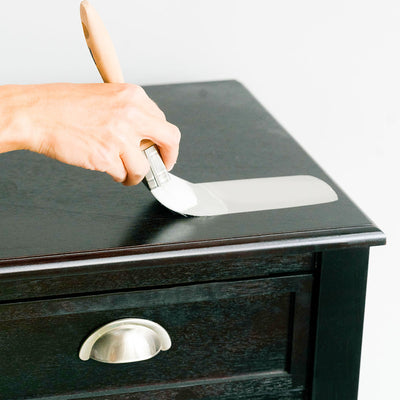
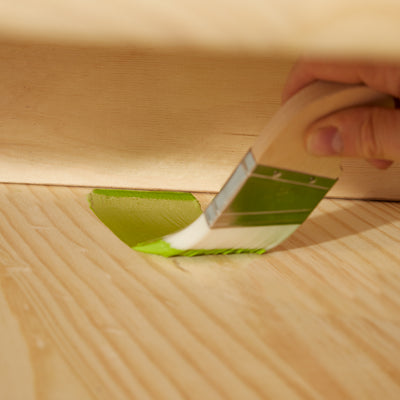
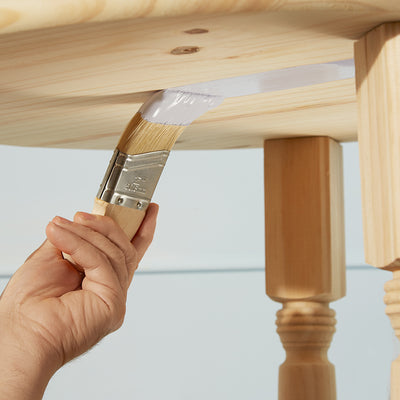
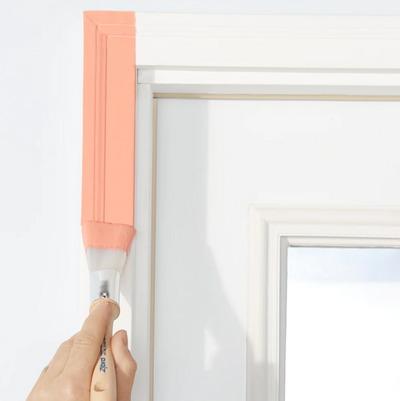
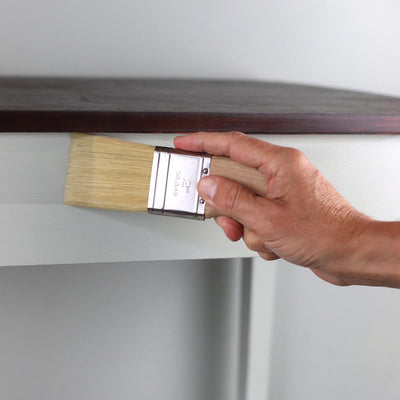
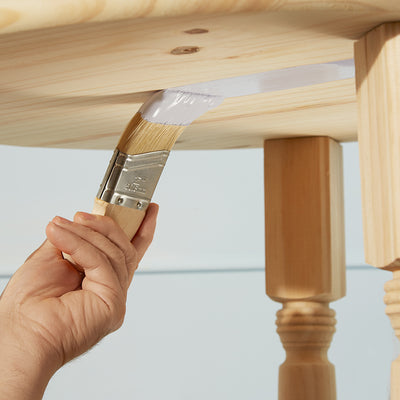
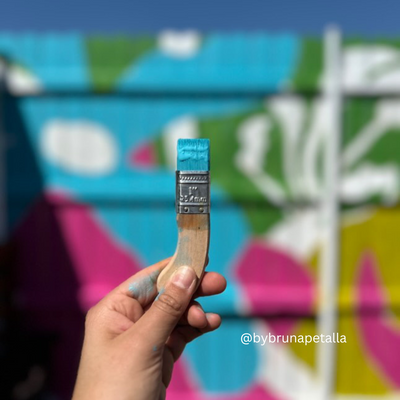
When it comes to learning how to cut-in paint like a pro, you’ve got to have the right tools for the job. In this instance, proper tools include paintbrushes designed to make quick work painting next to outlets or trim, along ceiling edges, or along baseboard.
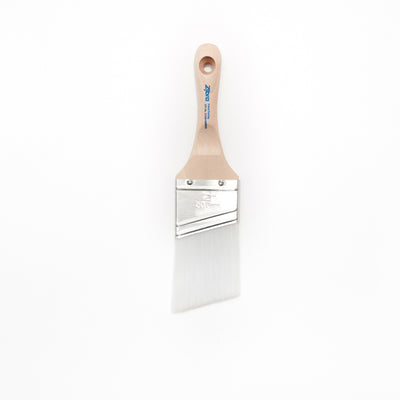
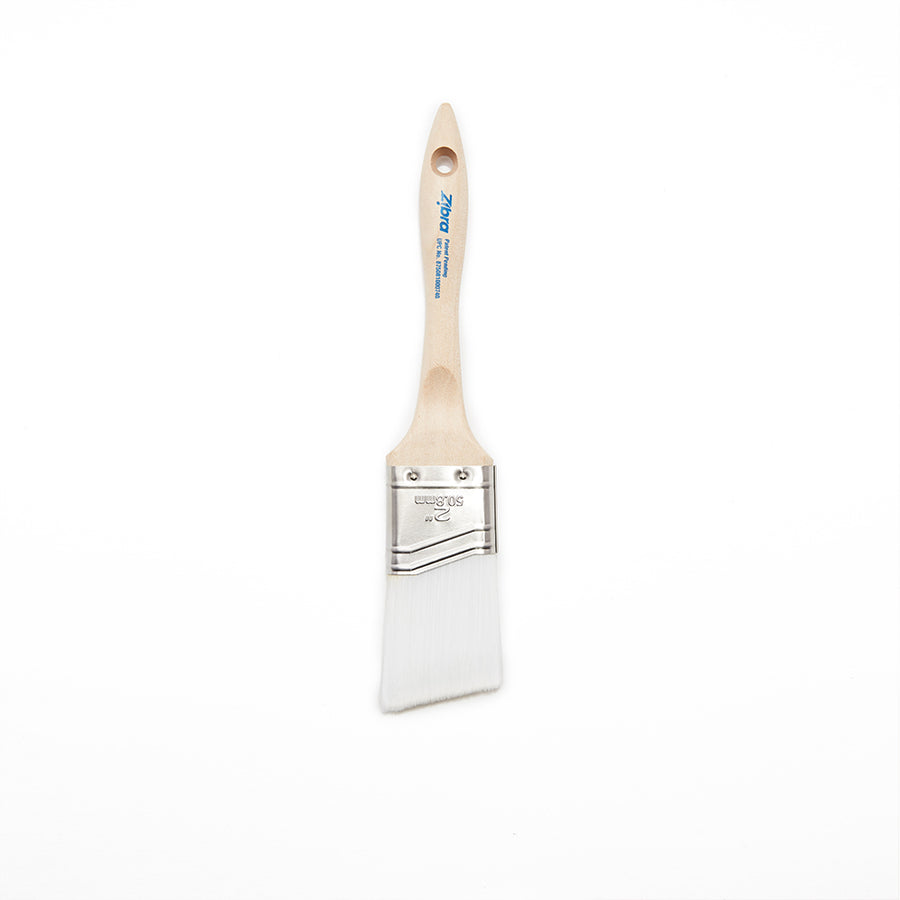
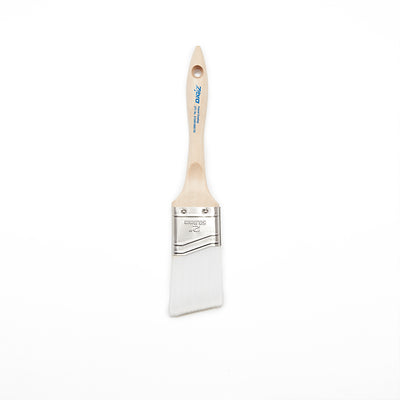
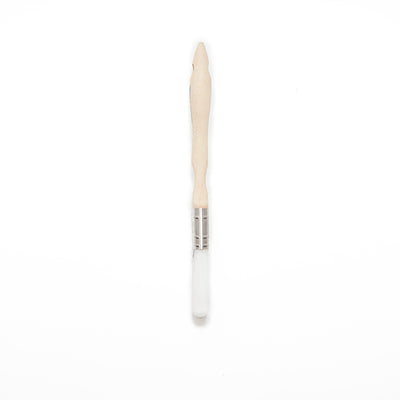
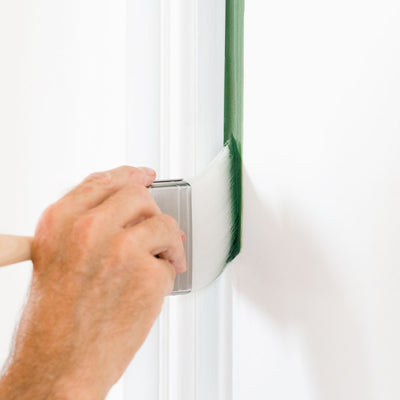
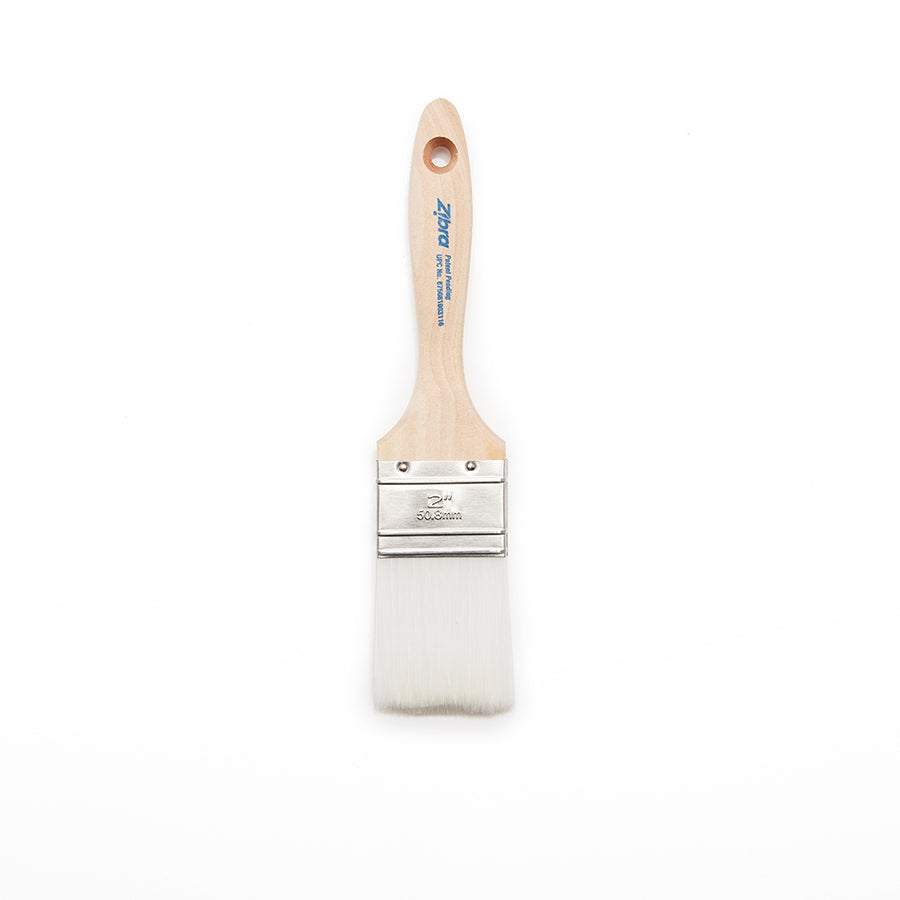
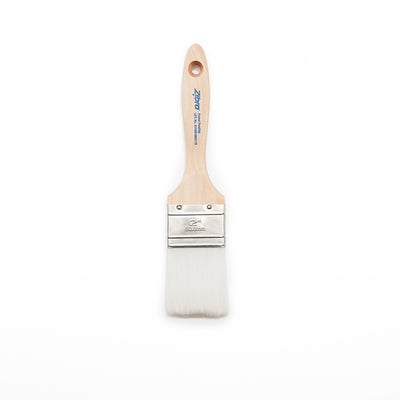
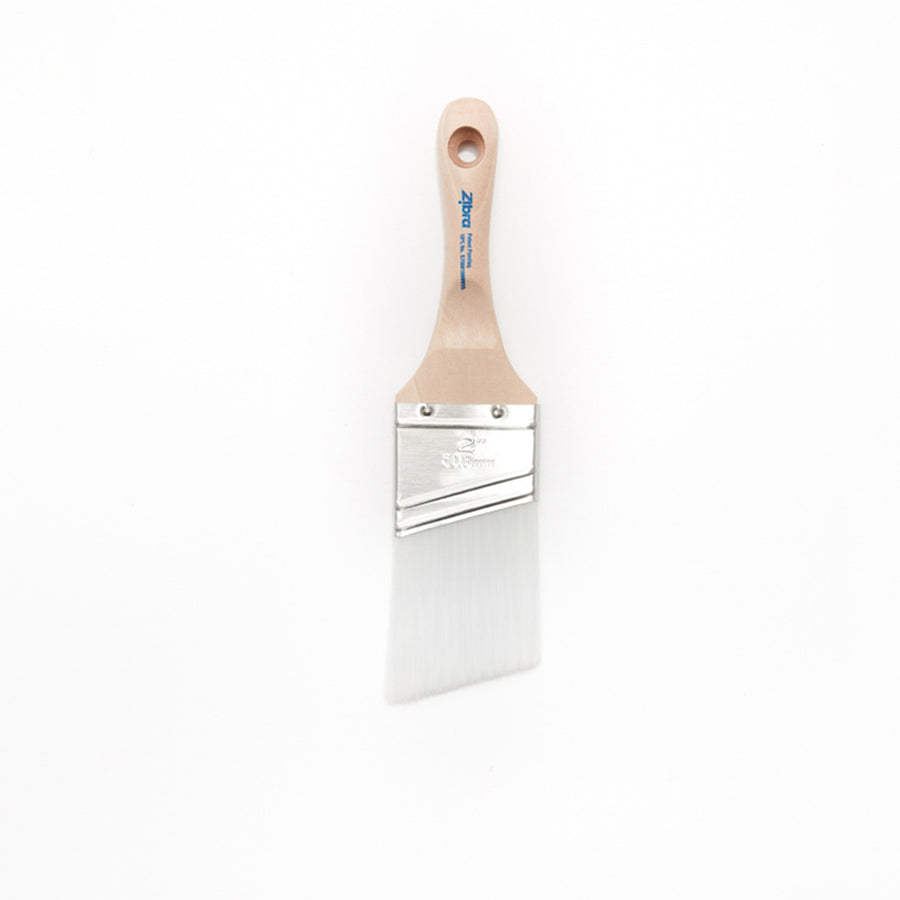
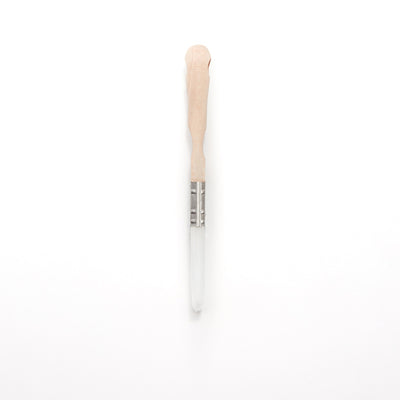
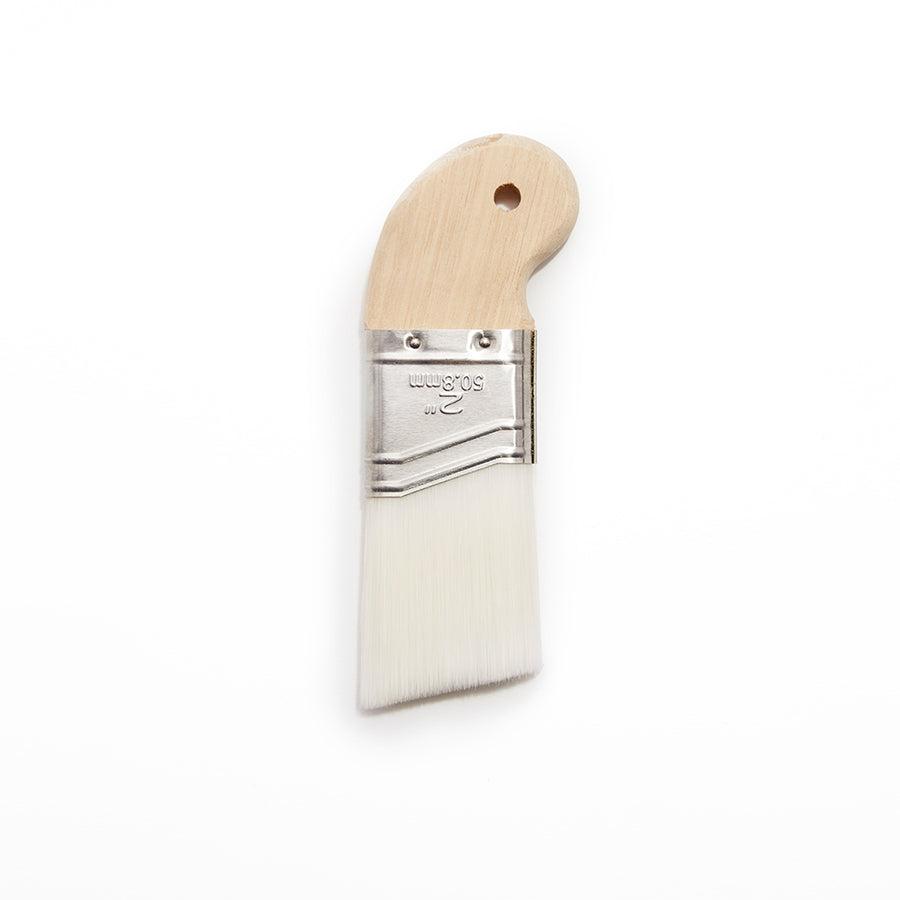
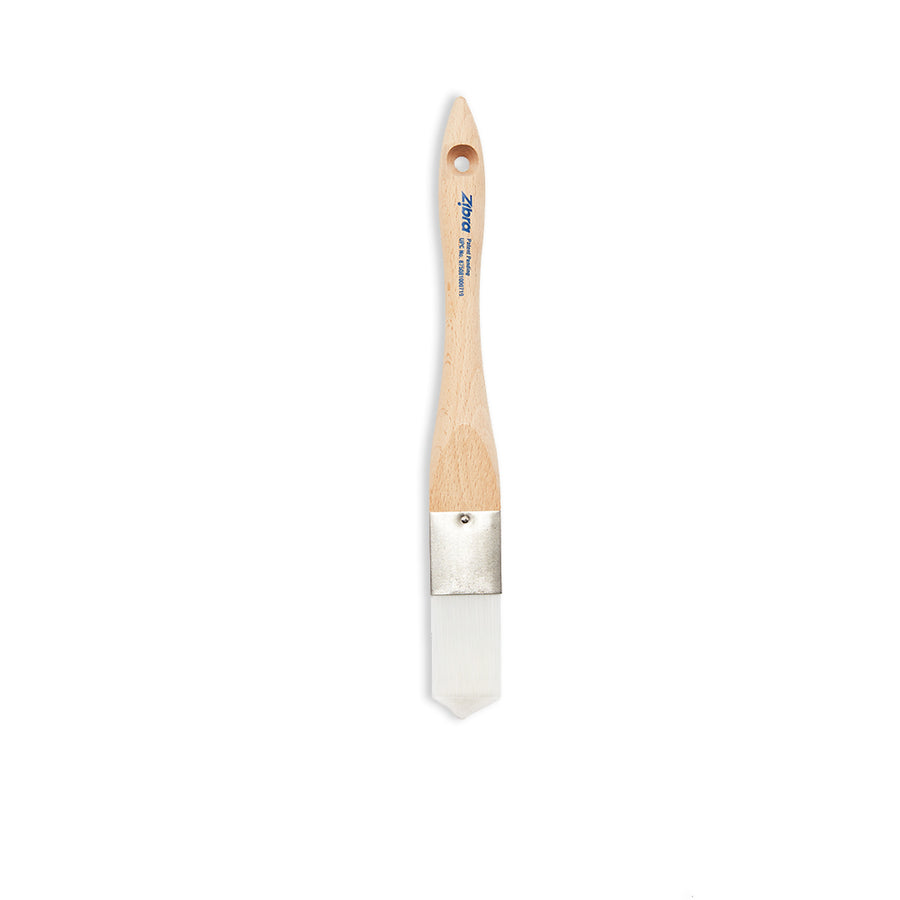
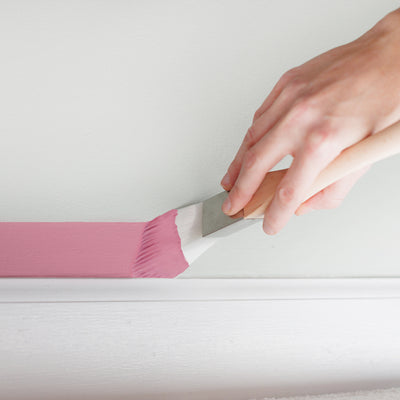
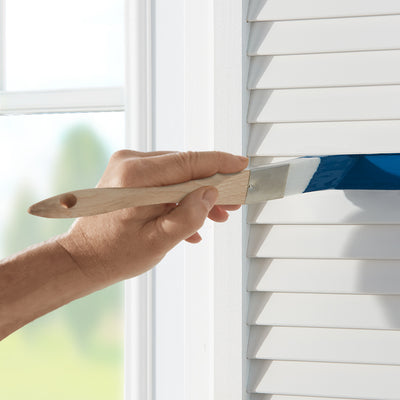
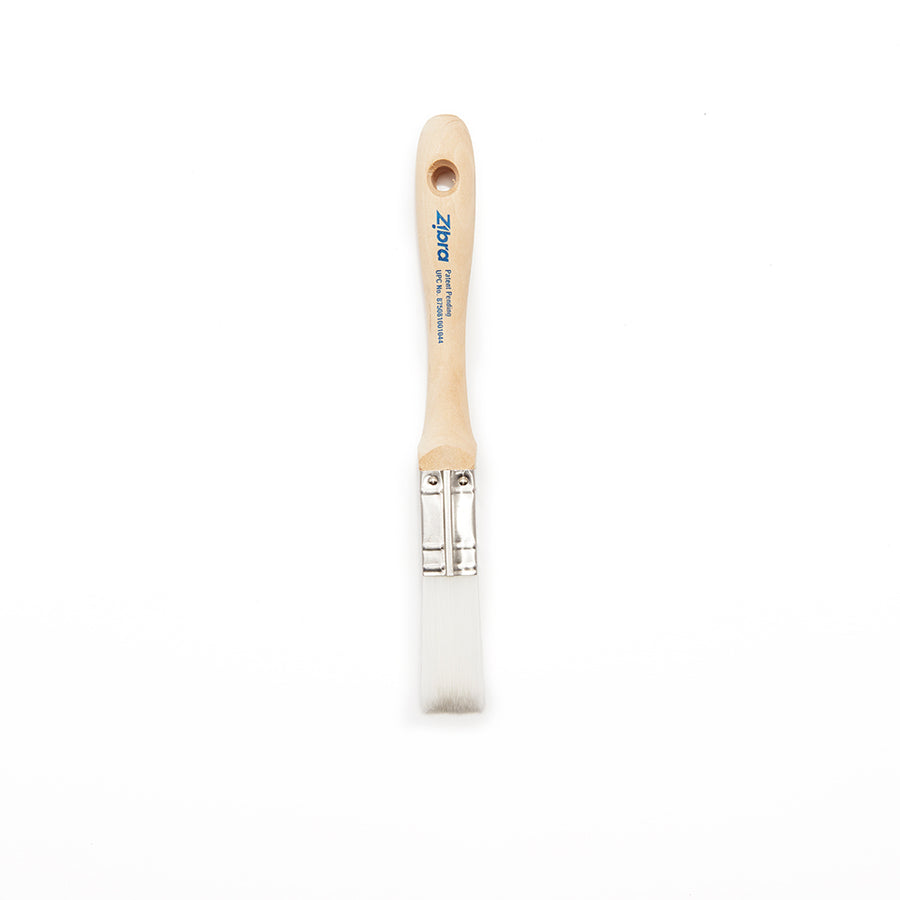
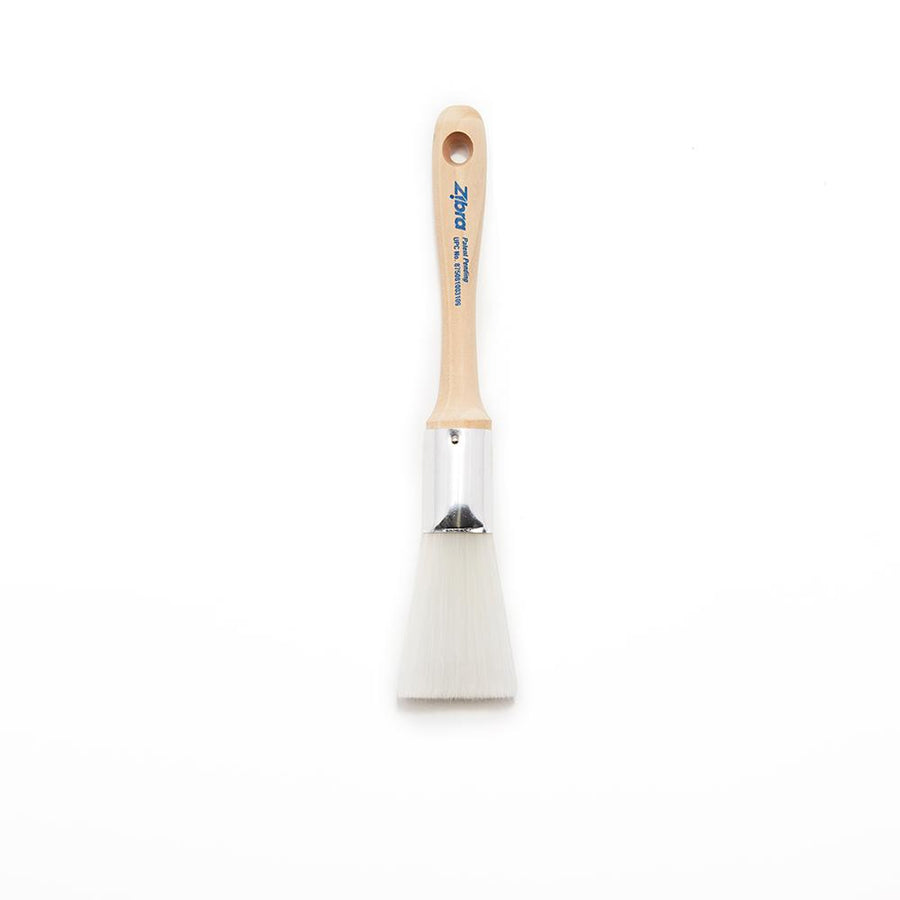
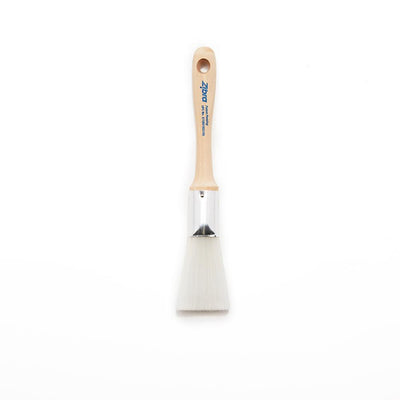
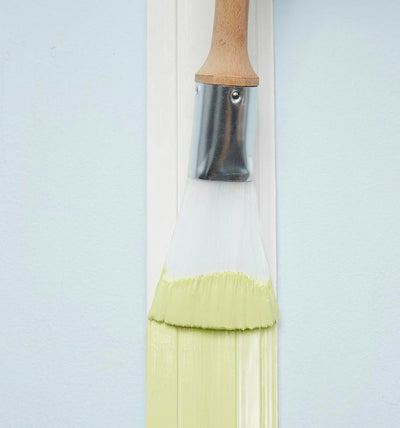
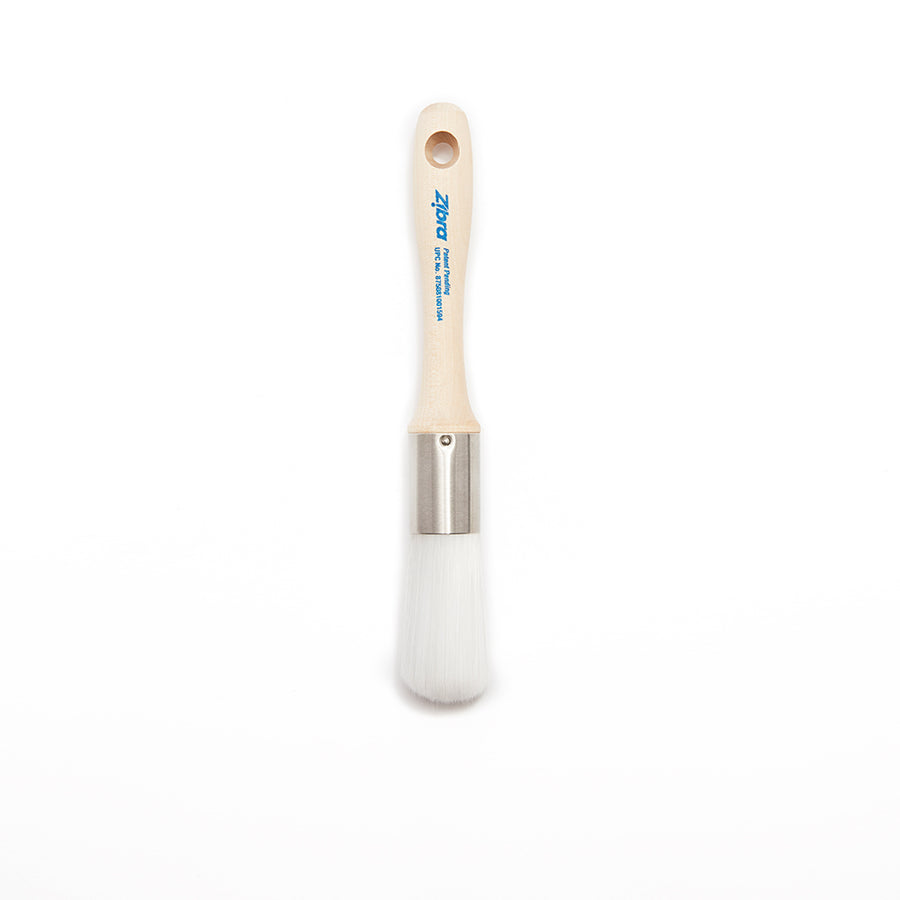
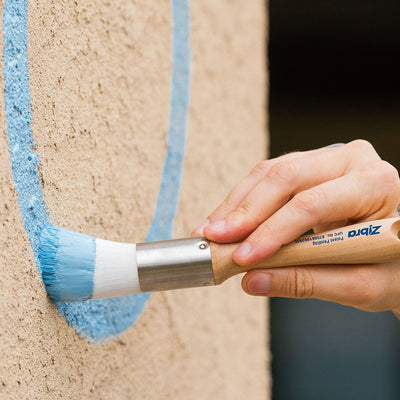
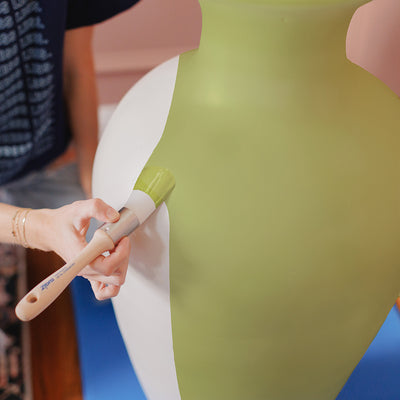
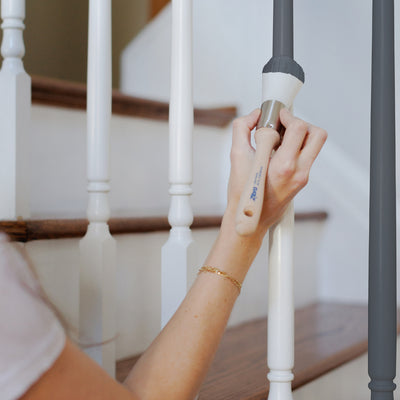
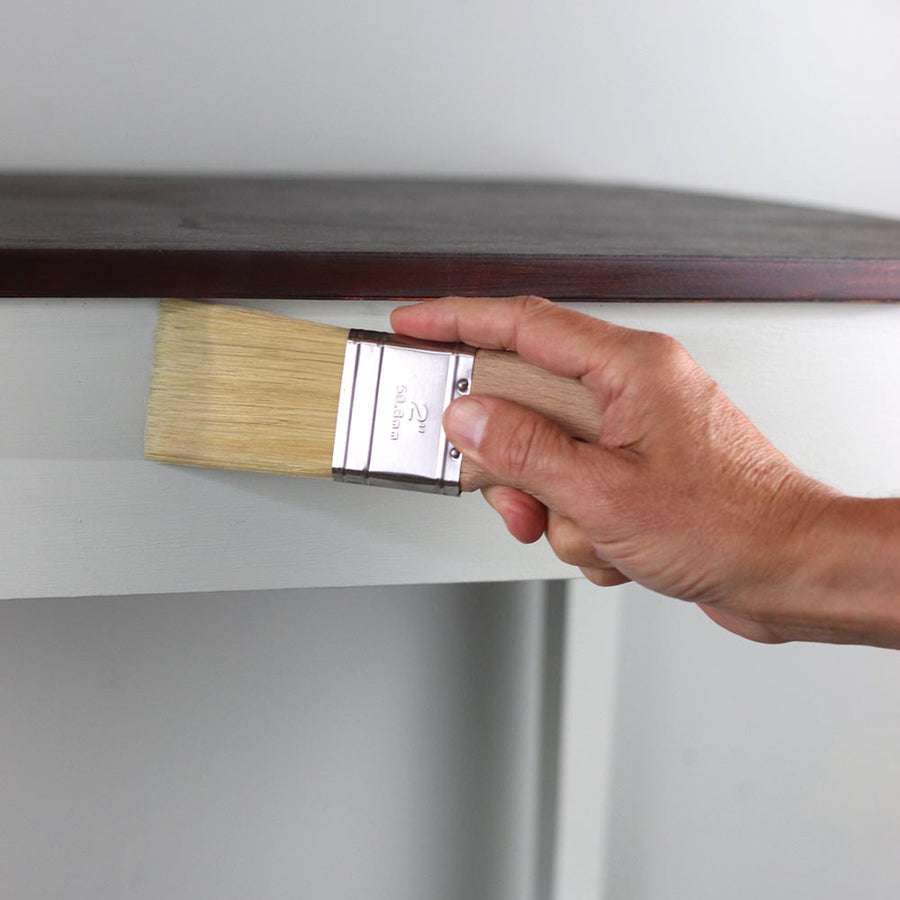
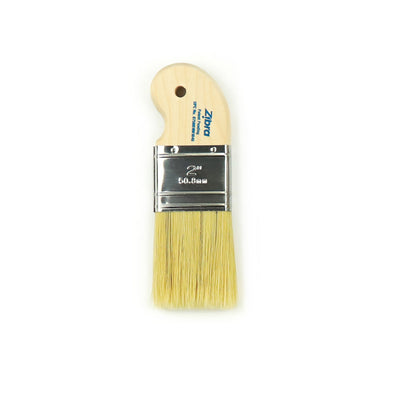
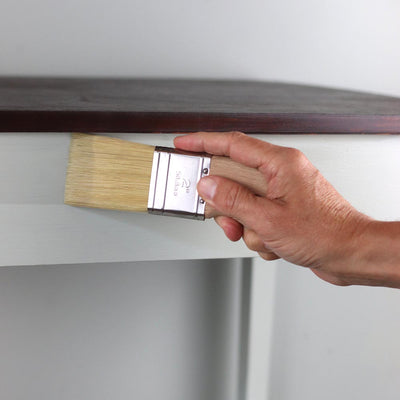
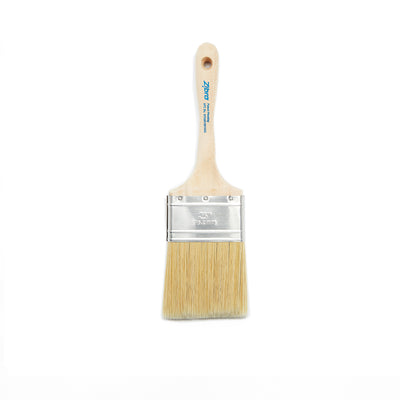
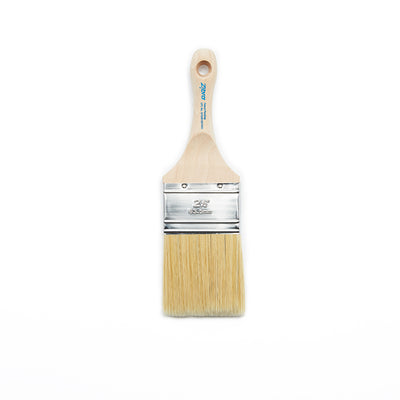
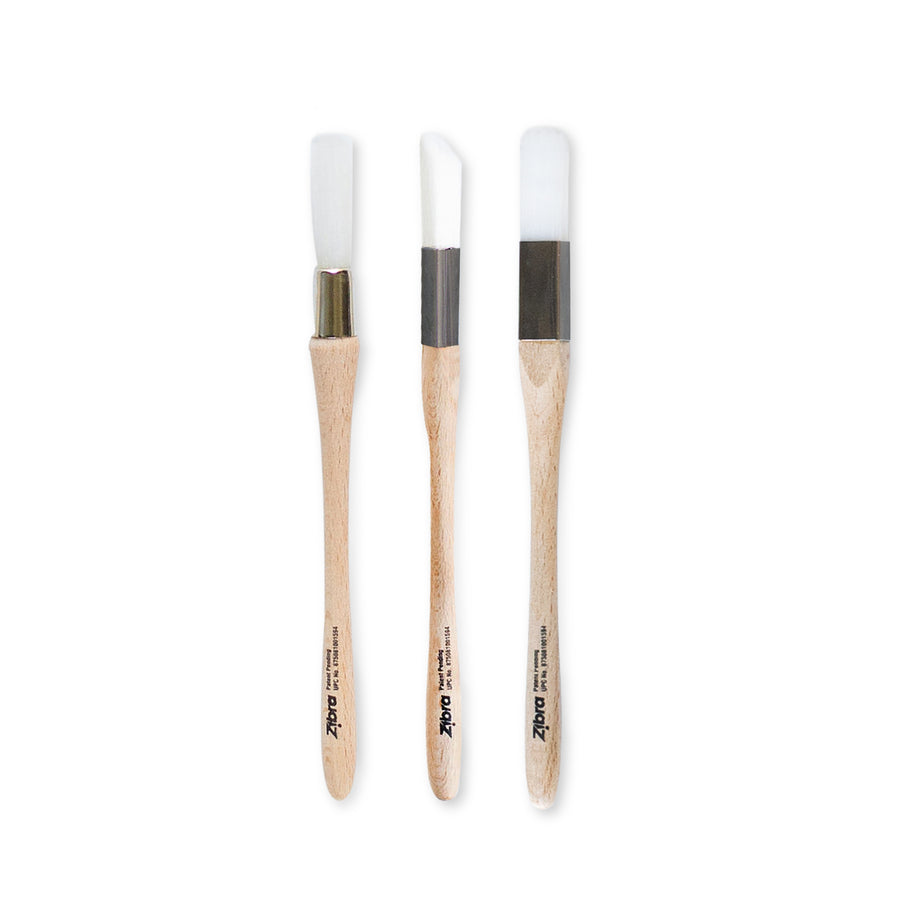
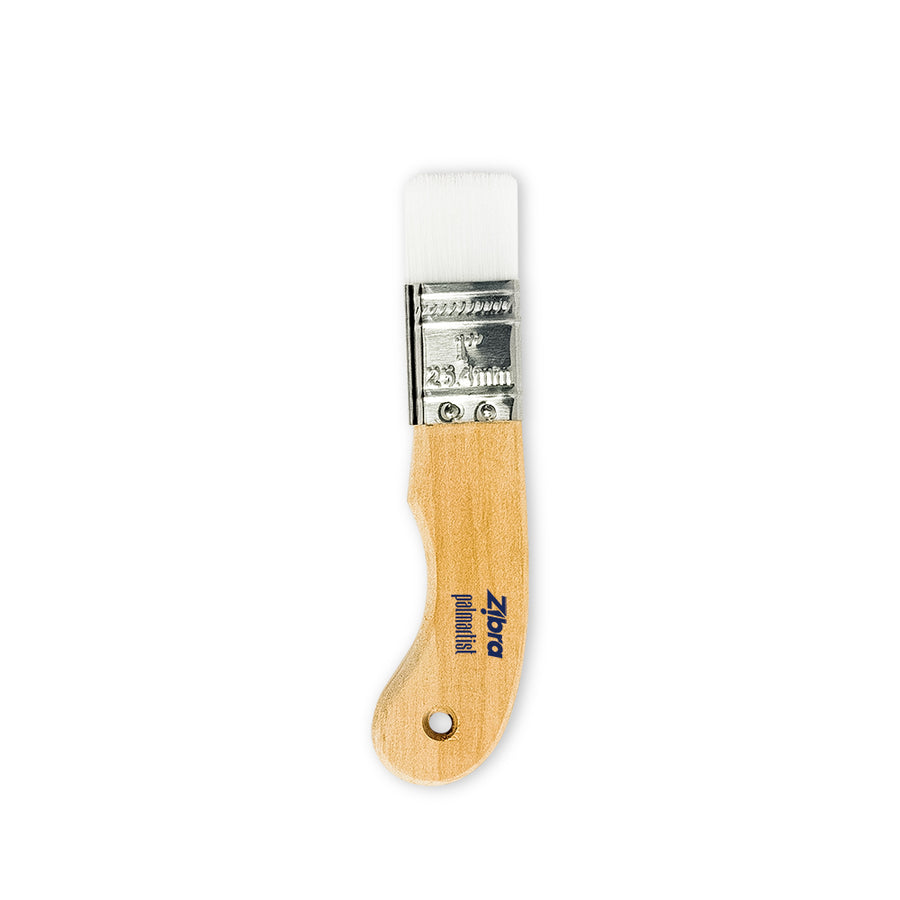
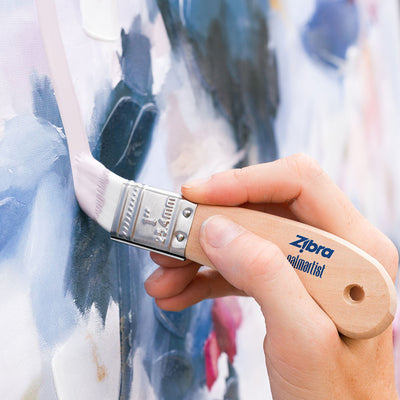
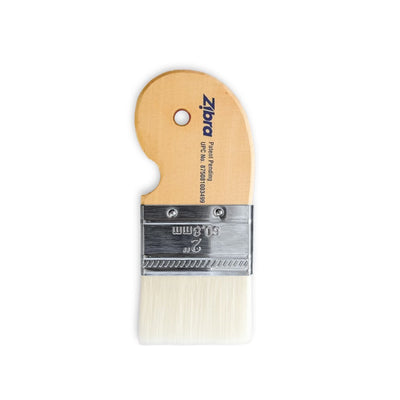
Of the many large surface paintbrushes out there, the best one to use for general cut-in work is the Precision Cut-In Paintbrush. Ideal for painting next to trim and other hard-to-reach areas, this brush will help reduce the chance for drips or splatters while evenly applying paint for a smooth paint job in any corner.
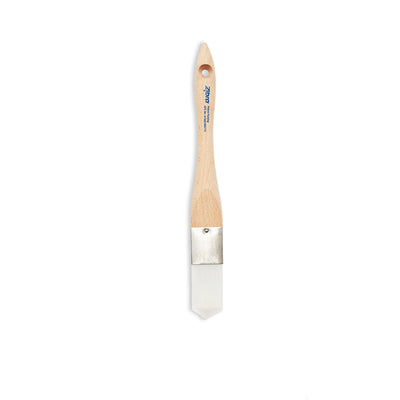
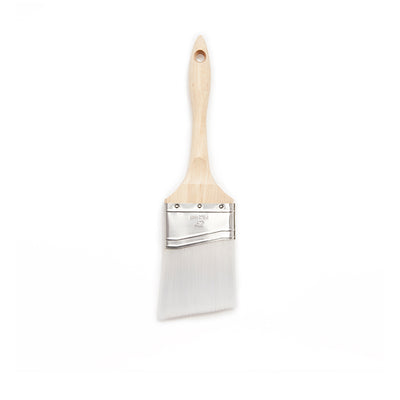
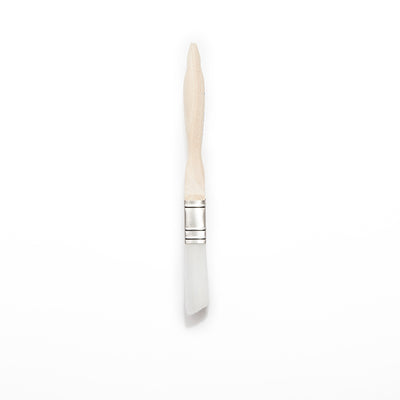
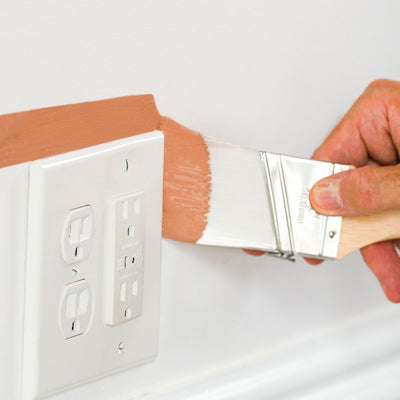
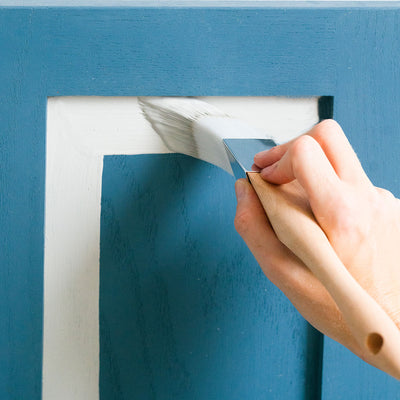
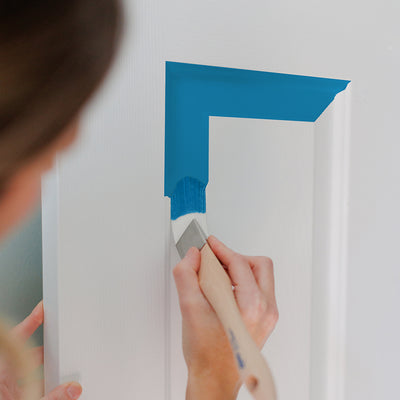
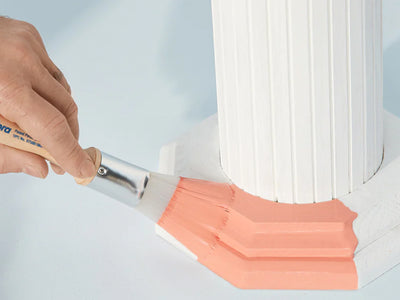
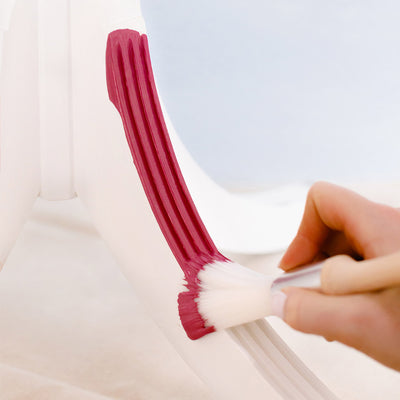
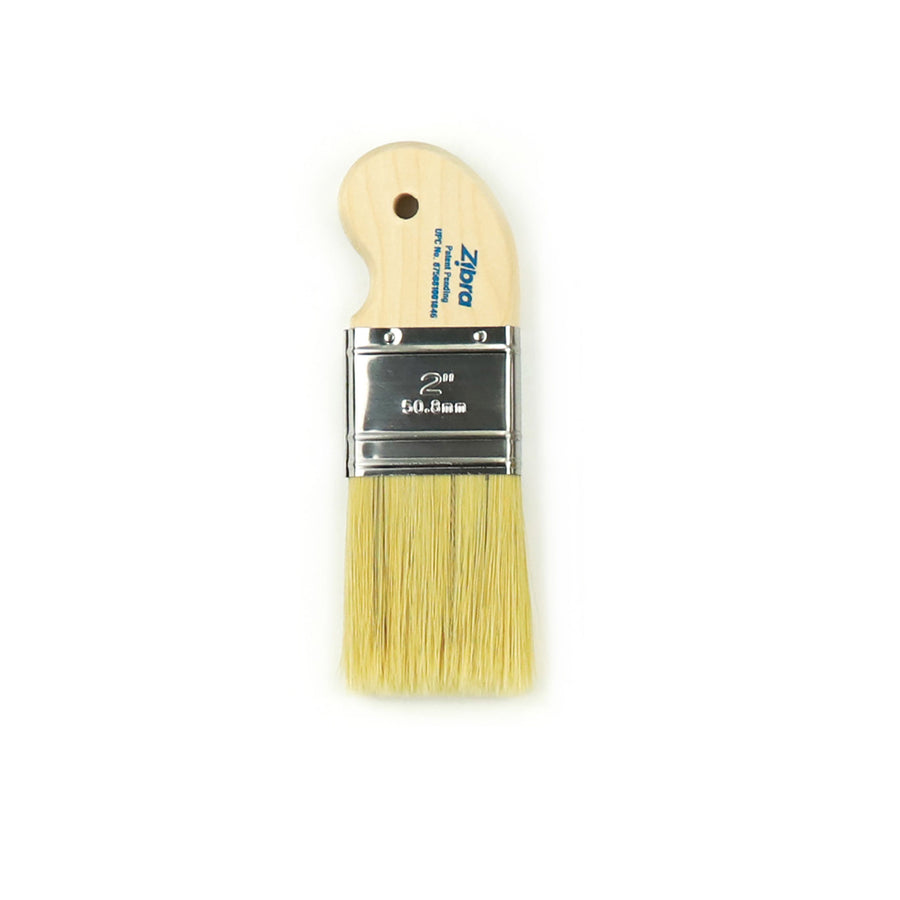
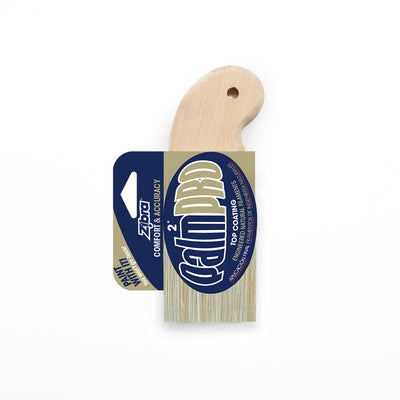
If you’re wondering how you’re going to perfectly paint wall corners, detailed molding, raised panels, or around wall outlets, we suggest the Triangle Paintbrush. Why? Because with its unique shape and patented hourglass design, this brush sits comfortably in your hand while applying the right amount of paint to all the right places in even the tightest of corners.
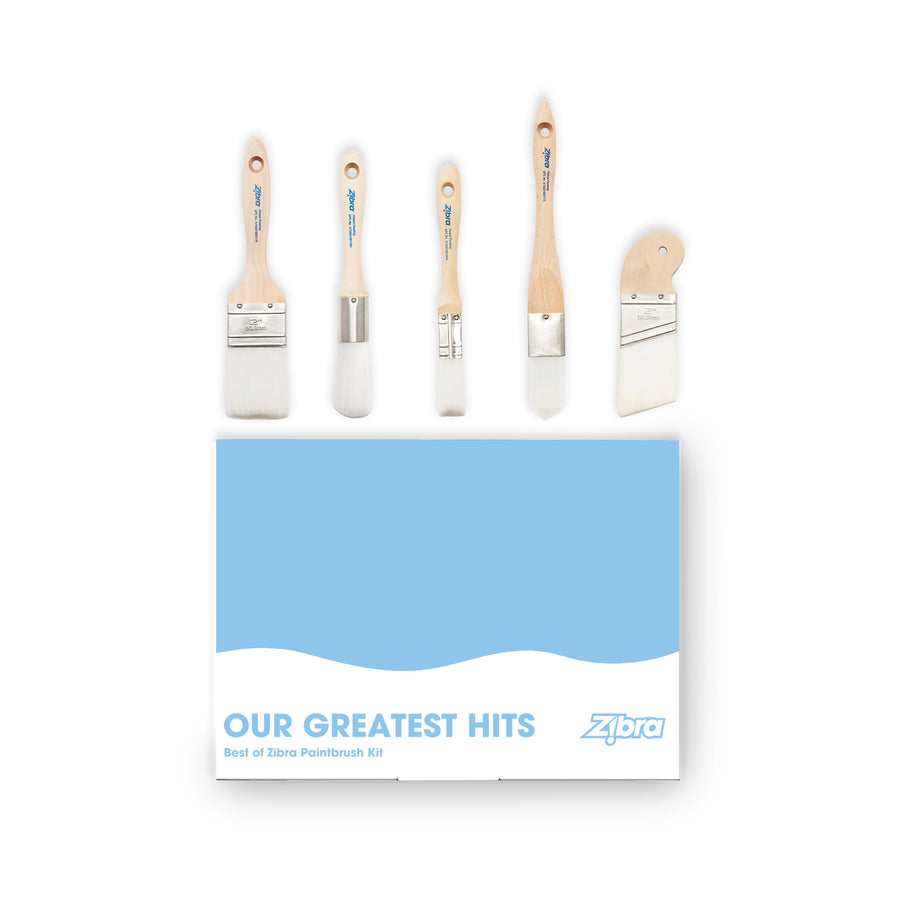
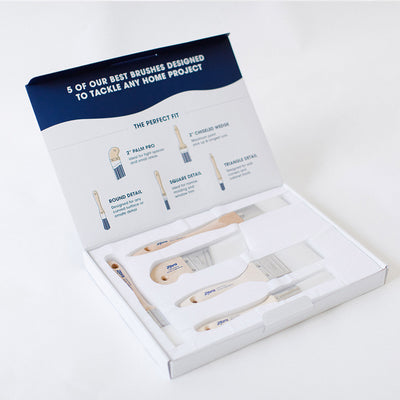
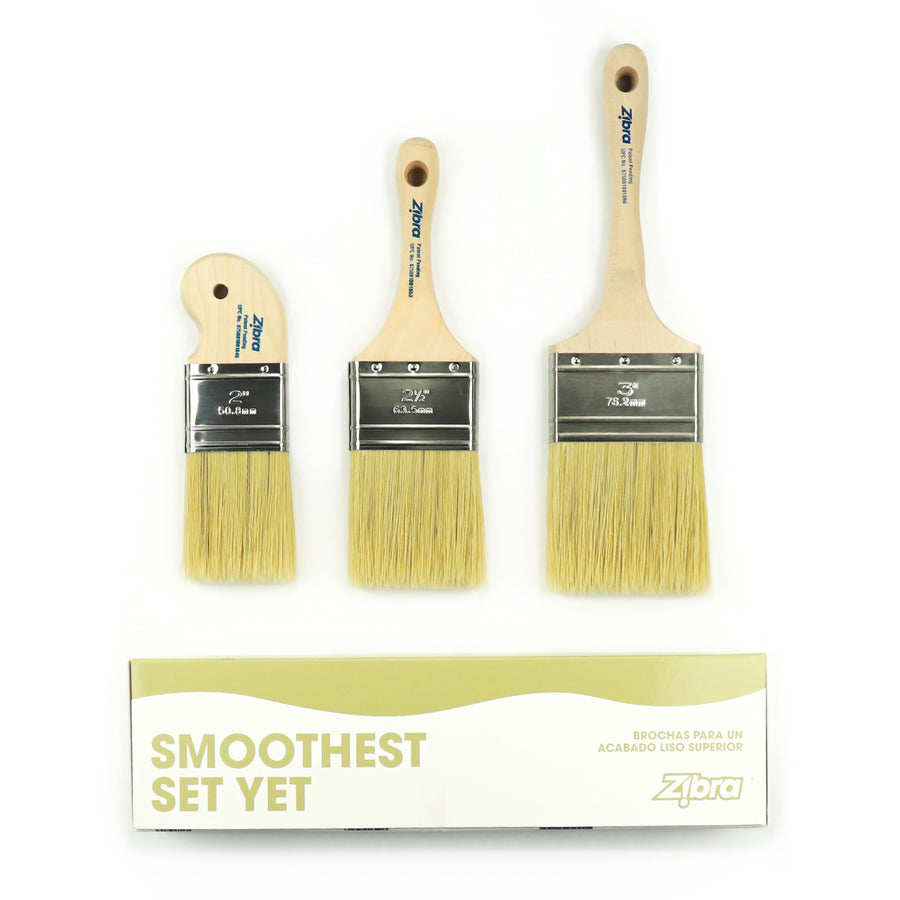
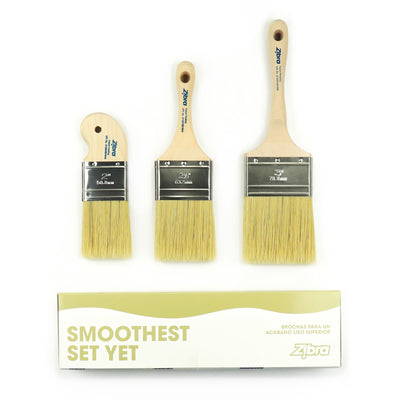
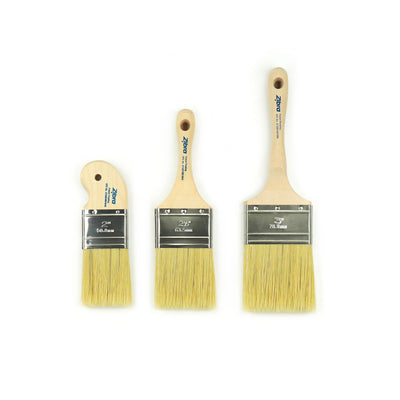
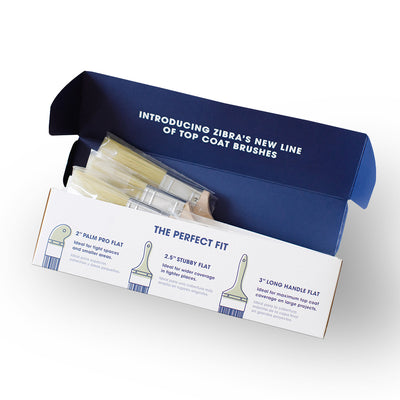
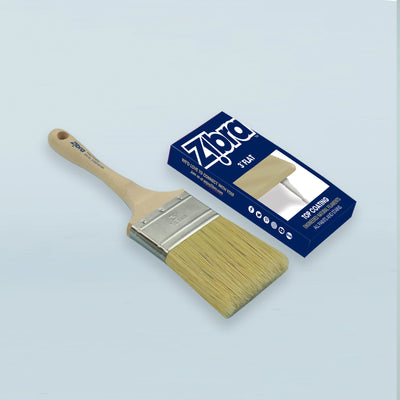
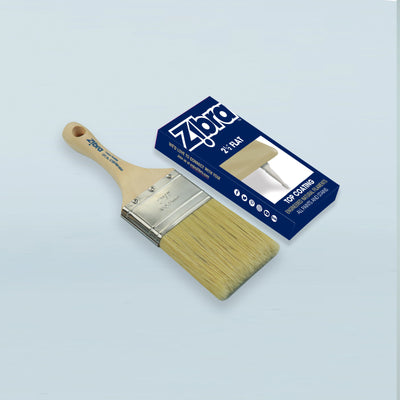
Want to make your paint project even easier? Snag a paintbrush kit and skip the worrying of whether or not you have the right brushes for the job.

Pro Tip #3: Mind Your Mess
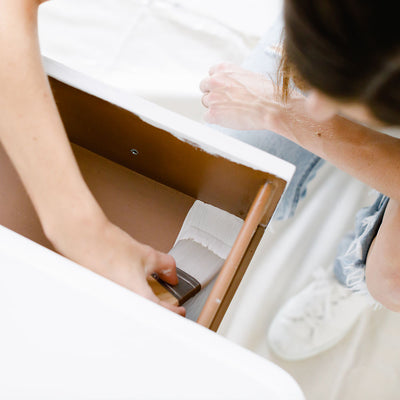
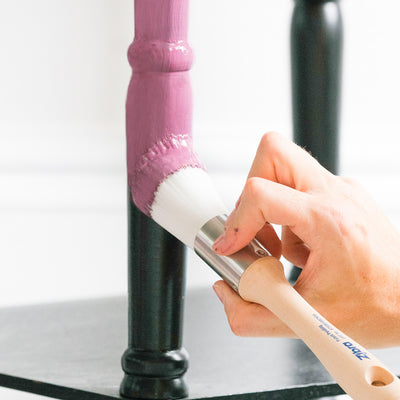
Anytime you’re painting, there’s always a chance for paint splatters and drips. While Zibra paintbrushes offer maximum pickup and release of paint through micro-tip flagged filaments, your roller can’t make the same promise. That’s why you need painting accessories like drop cloths and painting aprons to catch any potential drips, splatters, or spills. Don’t forget to rotate your brush as you make your way to the corners to further prevent any drips off the brush.
How to Cut-In Edge When Painting
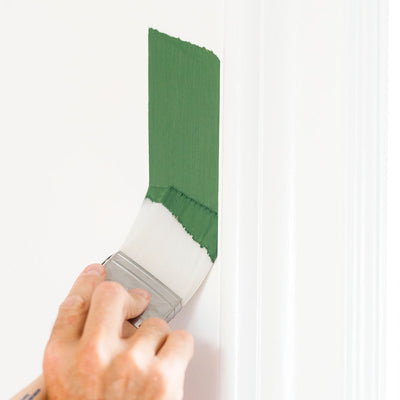
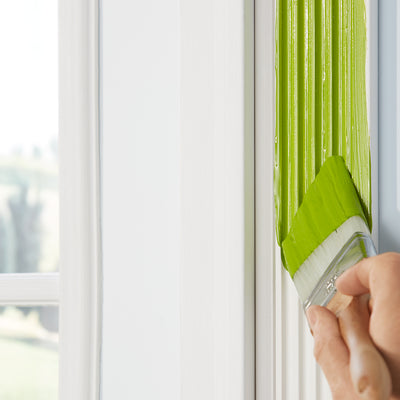
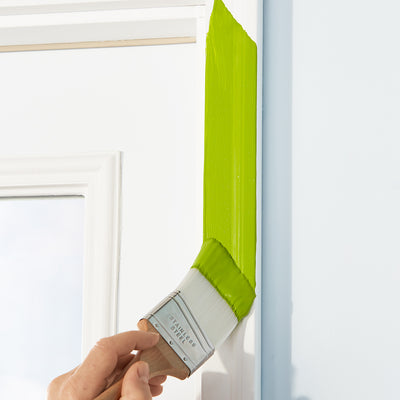
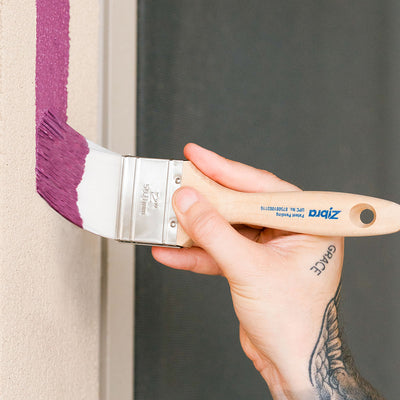
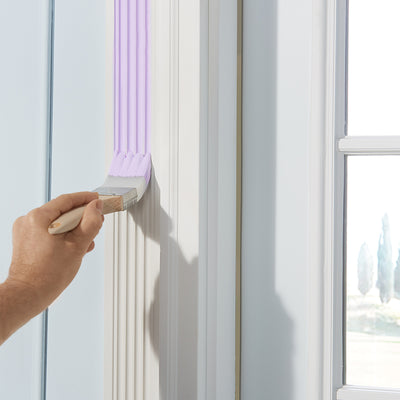
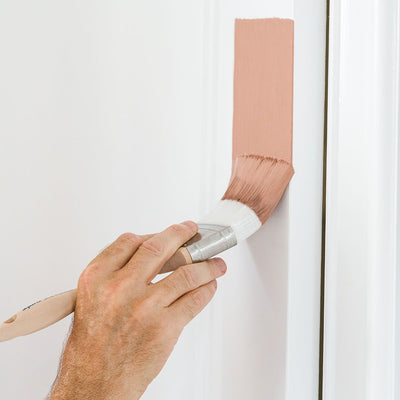
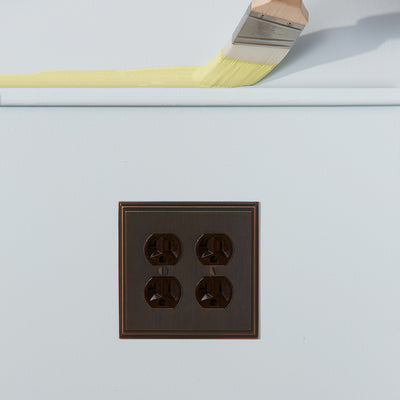
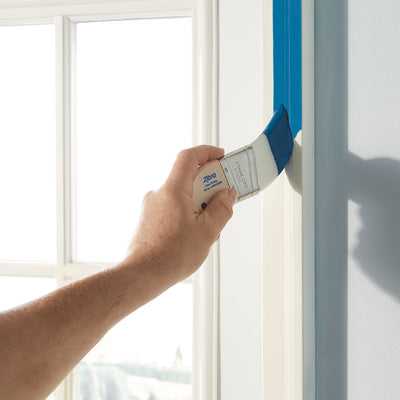
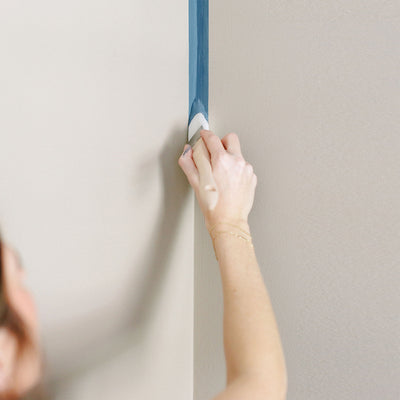
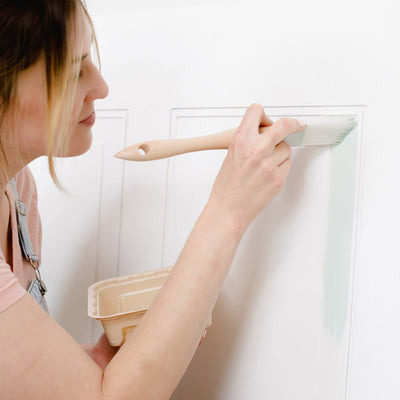
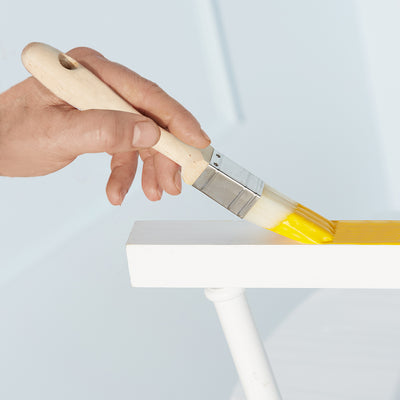
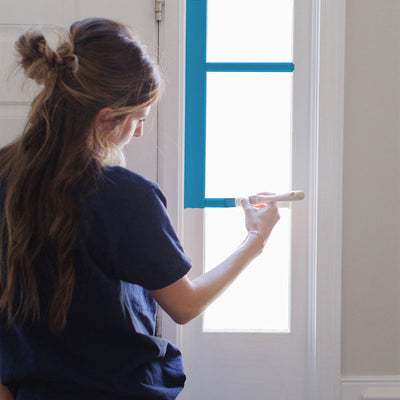
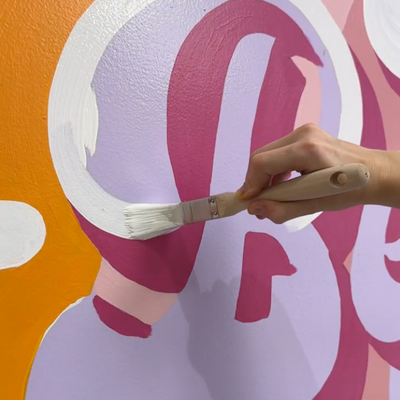
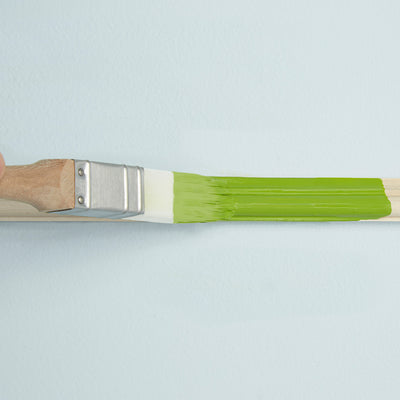
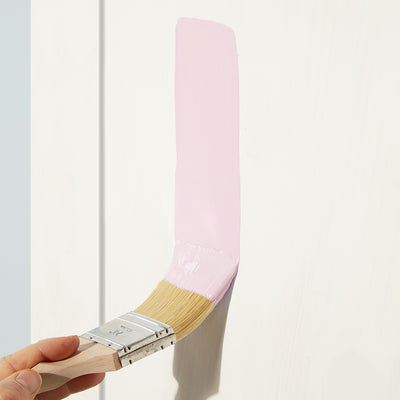
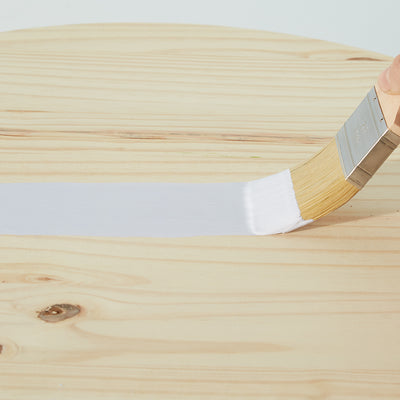
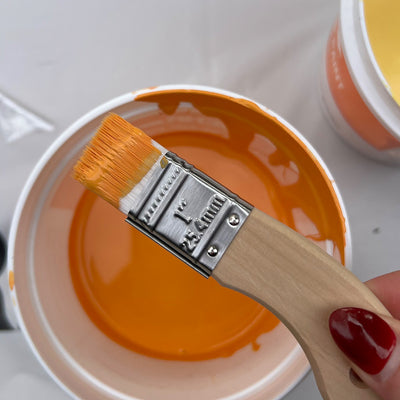
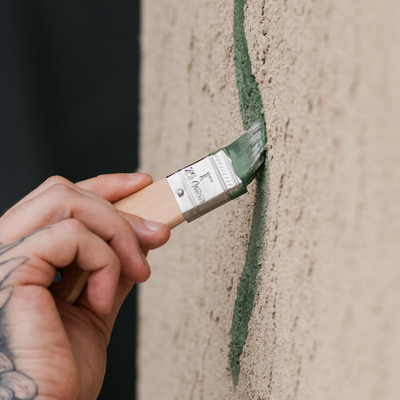
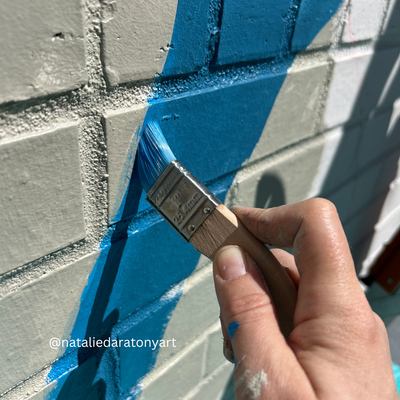
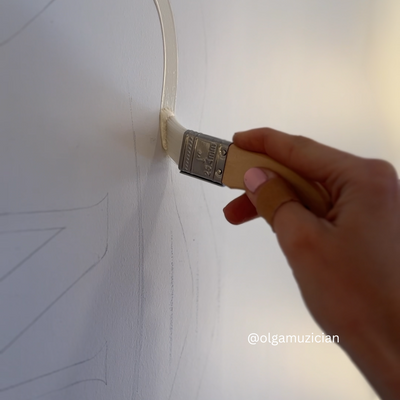
With your cut-in paintbrush in hand, dip the first 1/3 of the bristles into the paint, scraping off any excess on the side of the paint can. Next, slowly and evenly distribute the paint about ½” away from the corner or edge, working in small but full strokes and brushing outward as you move down the length of the wall, and then back the other way to fill in any missed spots.
If you want to cut-in paint at ceiling without taping it off, you can “score” the wall with a small razor, creating a straight line. This scoring will not be noticeable after your paint job but will help create a smooth paint line along the top of the wall, with the paint application filling it in once you begin to cut-in at the ceiling. If this is not a step you’re comfortable doing, just simply take your time and slowly cut-in paint at the ceiling to reduce any chance of getting paint on the ceiling itself.
Depending on preference, you can cut-in the entire room or area before rolling out, or you can cut-in one area, then immediately roll out the wall to blend the paint. This is completely based on personal preference. You may also choose to roll out the small portions of the cut-in after you’ve applied the main cut-in with the brush so that you have a more uniform paint job once you begin rolling out the big sections of the wall.
Once all of your cut-ins are complete, you can move on to rolling out the big sections of wall and finishing up yet another gorgeous, professional-looking paint job!
With the right tips, tricks, and paintbrushes, learning how to cut-in paint fast and like a pro is a piece of cake. Shop Zibra today to find your new favorite paintbrush, or visit the Zibra Blog to learn the best way to tackle the rest of your home improvement projects!
Great for detail work
Precision Cut-In Paintbrush
$10.95
Perfect for broader strokes
Triangle Paintbrush
$10.50