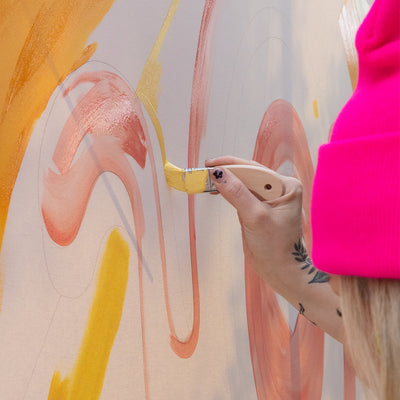
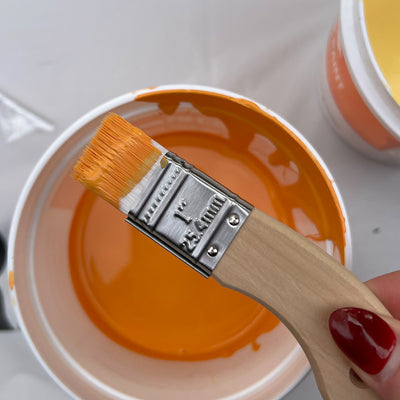
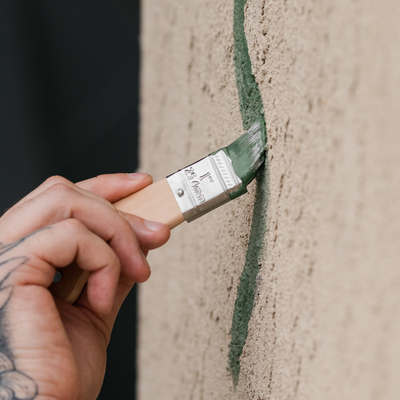
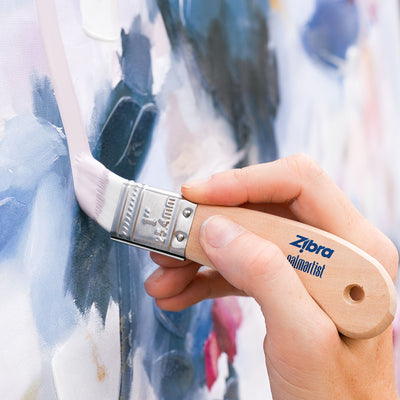
Oil-based paint is tough on brushes. It does not rinse out with water, and if it dries in the bristles, it can ruin a good brush. The good news is that a few minutes of cleaning right after you paint will keep your brushes working project after project. Whether you are finishing trim with oil-based house paint or painting with fine art oils, the process is similar.
The quick answer: how to clean oil paint brushes in 5 steps
Wipe excess paint onto a rag.
Swirl the brush in mineral spirits until the paint loosens.
Wash with brush soap and warm water and a brush comb.
Rinse until the water runs clear.
Comb out the bristles, reshape them, and dry flat or hanging.
Read on for the full details, including what to do differently for house paint and for fine art oils.
How to clean oil-based house paint from a brush
This method works for oil-based (alkyd) paints, stains and varnishes used on trim, doors, cabinets and furniture. Do it in a well-ventilated space and clean the brush as soon as you finish, before the paint starts to set.
What you need
- Mineral spirits or paint thinner
- Two or three metal or glass containers (a coffee can or jar works)
- Rags or old newspaper
- A brush cleaning comb
- Dish soap or brush soap, and warm water
Steps for Cleaning Your Brush
- Remove the excess. Wipe the brush against the rim of the can, then press it onto newspaper or a Paint Rag until most of the paint is gone. The more paint you remove now, the less solvent you will need.
- First solvent rinse. Pour about an inch of mineral spirits into a container. Dip the brush in and work the bristles against the bottom and sides to loosen the paint. Press the bristles to push the paint out of the base of the bristles.
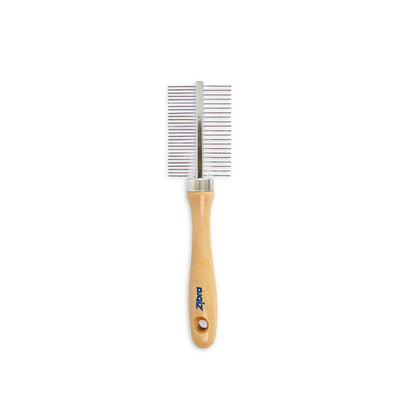
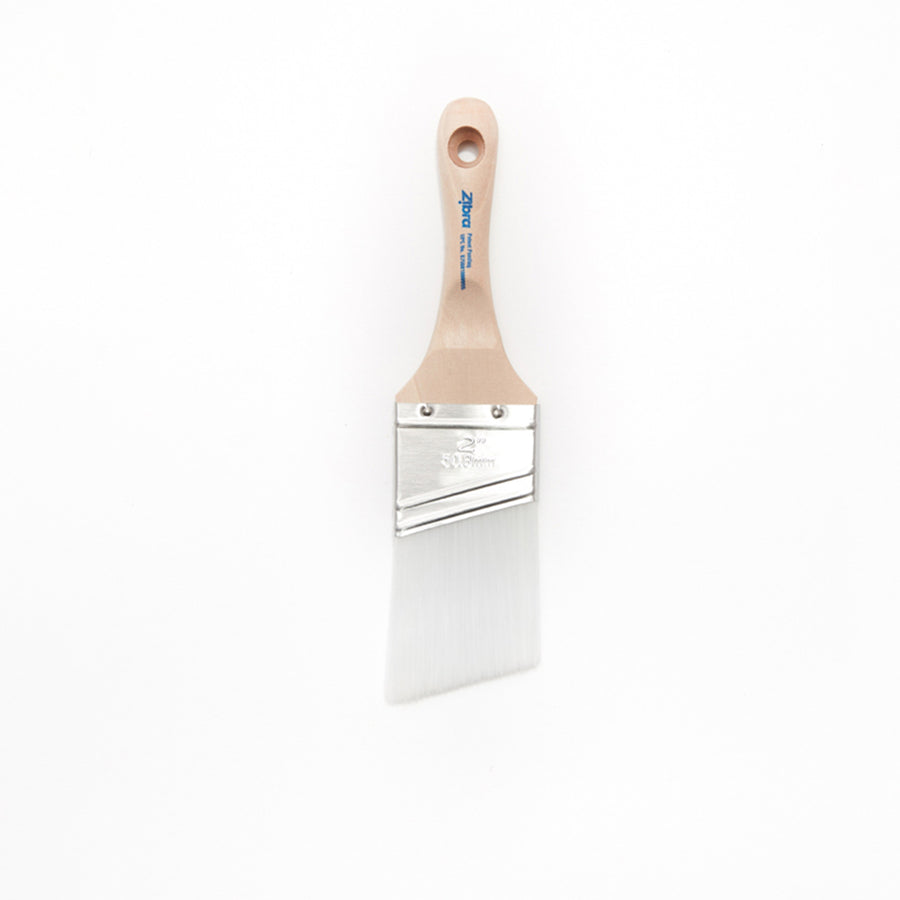
- Comb it out. Use the Zibra Paintbrush Cleaning Tool to pull paint from deep in the bristles, working from the ferrule (the metal band) toward the tips.
- Second and third rinse. Wipe the brush on a rag, then move it to a fresh container of clean solvent. Repeat until the solvent stays mostly clear. Using several containers uses less solvent overall than rinsing again and again in one.
- Wash with soap and warm water. Work a little dish soap or brush soap into the bristles to remove the solvent and any remaining paint. Rinse under warm running water until the water runs clear.
- Reshape and dry. Shake out the water, wipe with a clean rag, reshape the bristles with your fingers, and hang the brush bristles-down or lay it flat. Do not stand it on its tips.
You can reuse the dirty solvent. Let it sit in a sealed container until the paint settles to the bottom, then pour the clear solvent off the top into a fresh container.
How to clean fine art oil paint brushes
Artists work in smaller amounts of paint and care a lot about keeping bristle tips fine and springy. The steps are close to the house-paint method, with a few differences.
- Wipe off the paint. While the paint is still wet, wipe the brush on a paper towel or Paint Rag, pulling from the ferrule toward the tip. This removes most of the paint before any solvent touches the brush.
- Rinse in solvent or oil. Swish the brush in odorless mineral spirits, or use a solvent-free approach, such as working the brush through a clean vegetable or walnut oil. Wipe again on a rag. Repeat until little color comes out.
- Wash with soap. Work a brush soap or mild dish soap into your palm and swirl the brush in it, then rinse with lukewarm water. Repeat until the lather is white and the water runs clear.
- Reshape the tip. Smooth the bristles into their original shape with your fingers.
- Dry flat or hanging. Lay the brush flat or hang it bristles-down so water does not run into the ferrule and loosen the glue.
A few notes for artists:
- Never let a brush stand on its bristles in a jar of solvent. It will bend the tips permanently.
- Between sessions, some artists wipe the brush, coat it lightly in oil (such as linseed or safflower oil) and keep it flat, so it is ready to use the next day. This works best for brushes you will return to within a few days.
Why a cleaning comb makes a difference
Solvent alone often leaves paint packed near the ferrule of the brush, where it builds up over time and makes the bristles splay or stiffen. A cleaning comb pulls paint out of that hard-to-reach area and helps the bristles realign as it works. Use it after your first solvent rinse and again after the soap wash. The Zibra Paintbrush Cleaning Tool is two-sided (with fine-tooth and wider tooth sides) for maximum cleaning power.
What if the paint has already dried?
If oil paint has started to set but is not rock hard, soak the bristles (not the handle) in mineral spirits or paint thinner for several hours, then work the paint out with the comb and rinse as above. A brush with fully cured, hardened paint is much harder to save, and some are not recoverable. Commercial brush restorers exist, but results vary and they can be harsh on bristles, so test on a brush you can afford to lose.
Keep your brushes in shape
- Clean before the paint sets. The sooner you start, the less effort it takes.
- Don't soak brushes for long periods in solvent, which can damage the bristles and the glue in the ferrule.
- Store them properly. Keep brushes dry, with bristles straight, in a protective sleeve or flat in a drawer.
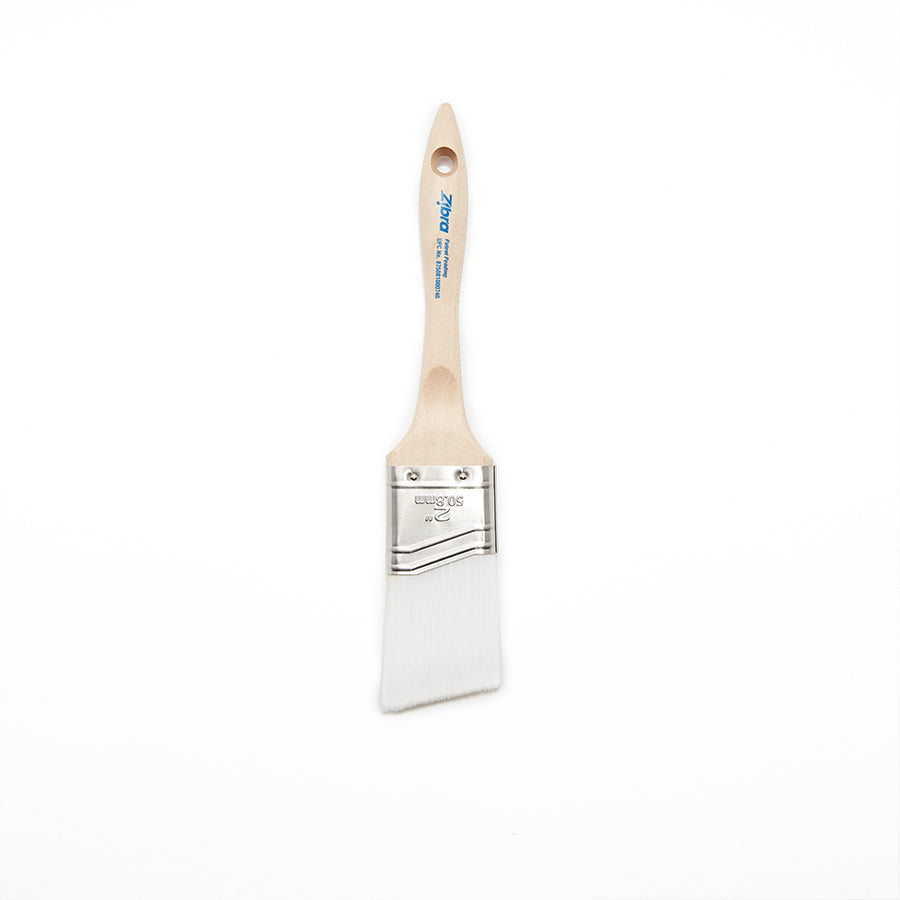
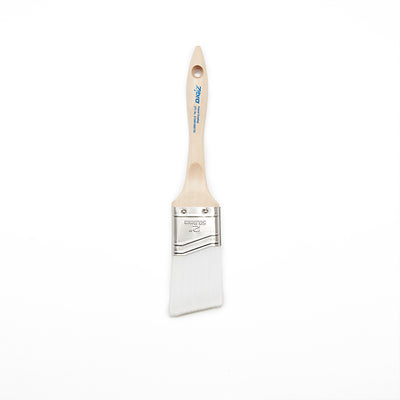
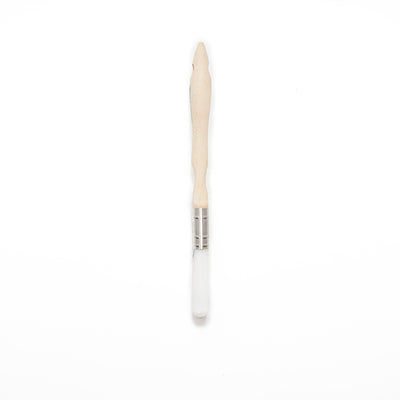
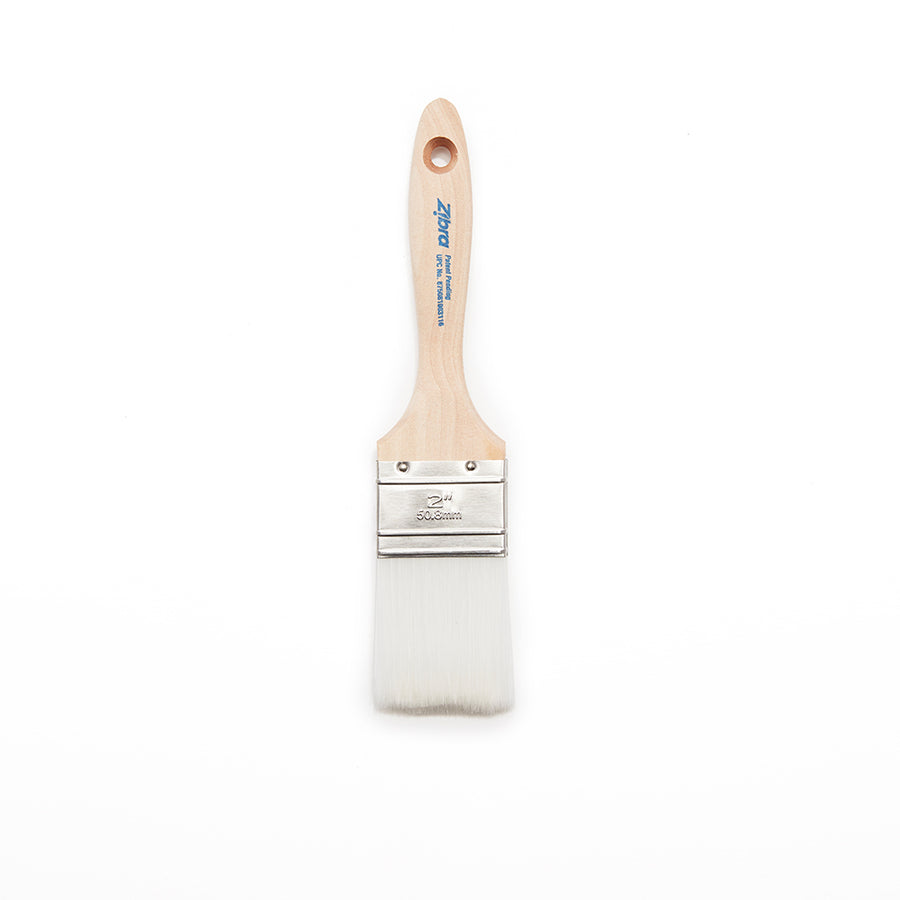
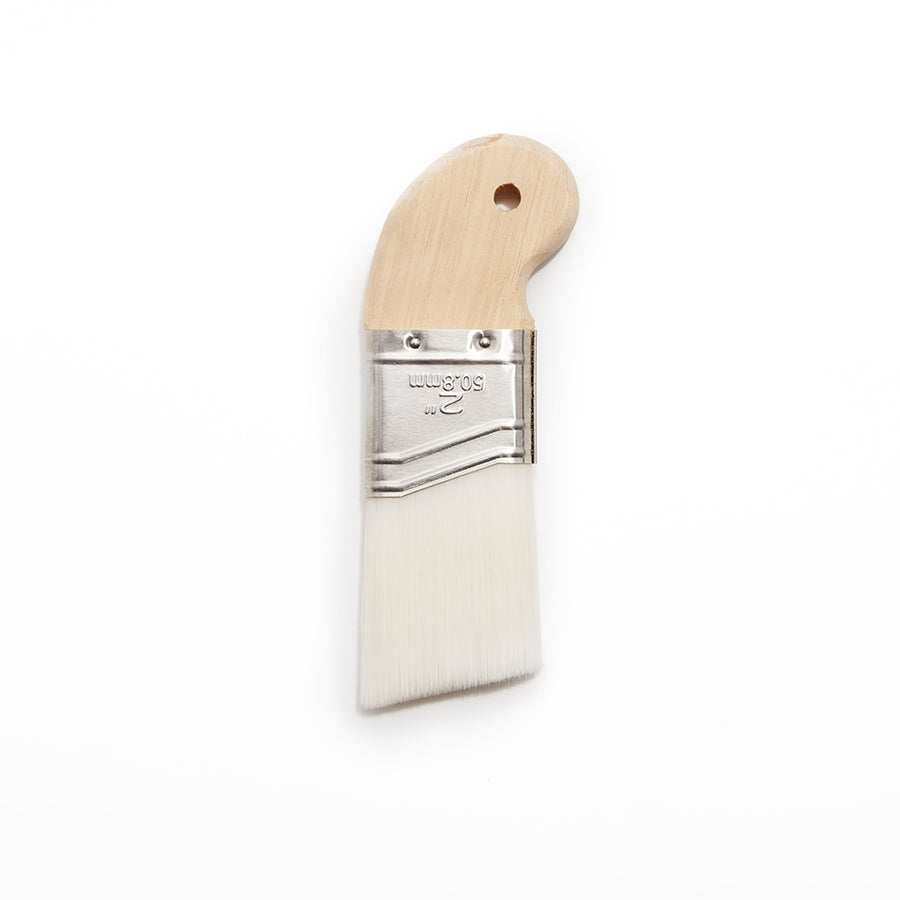
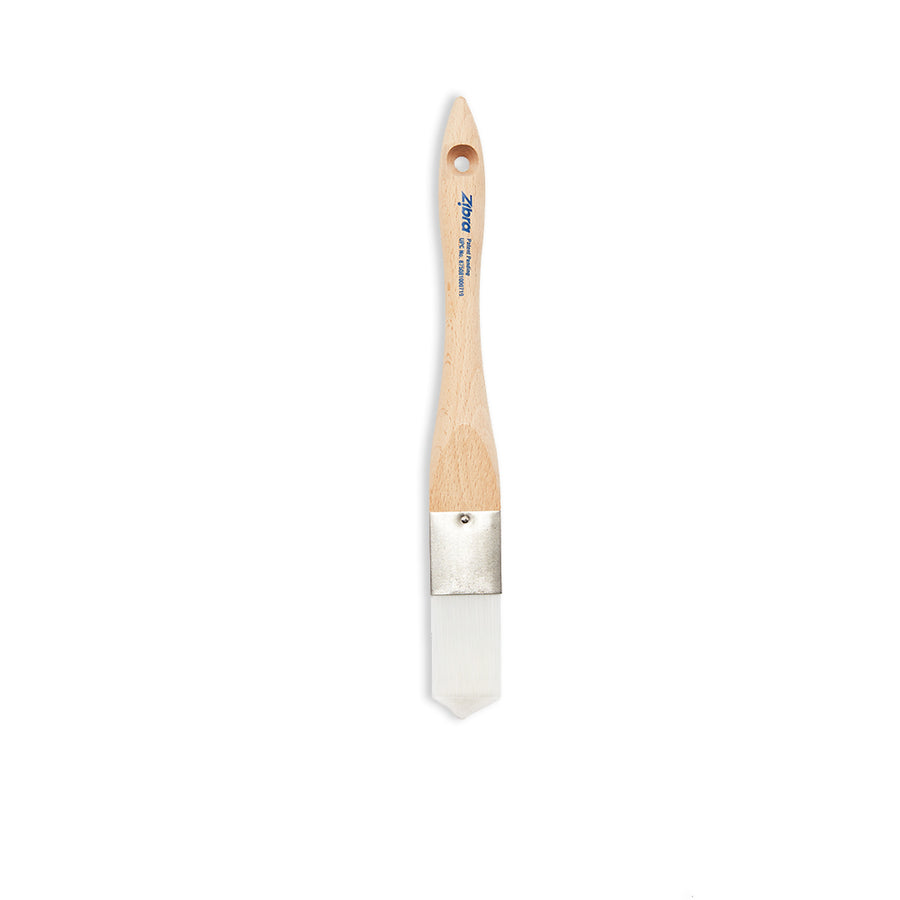
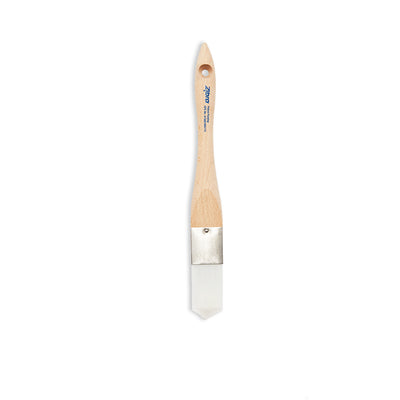
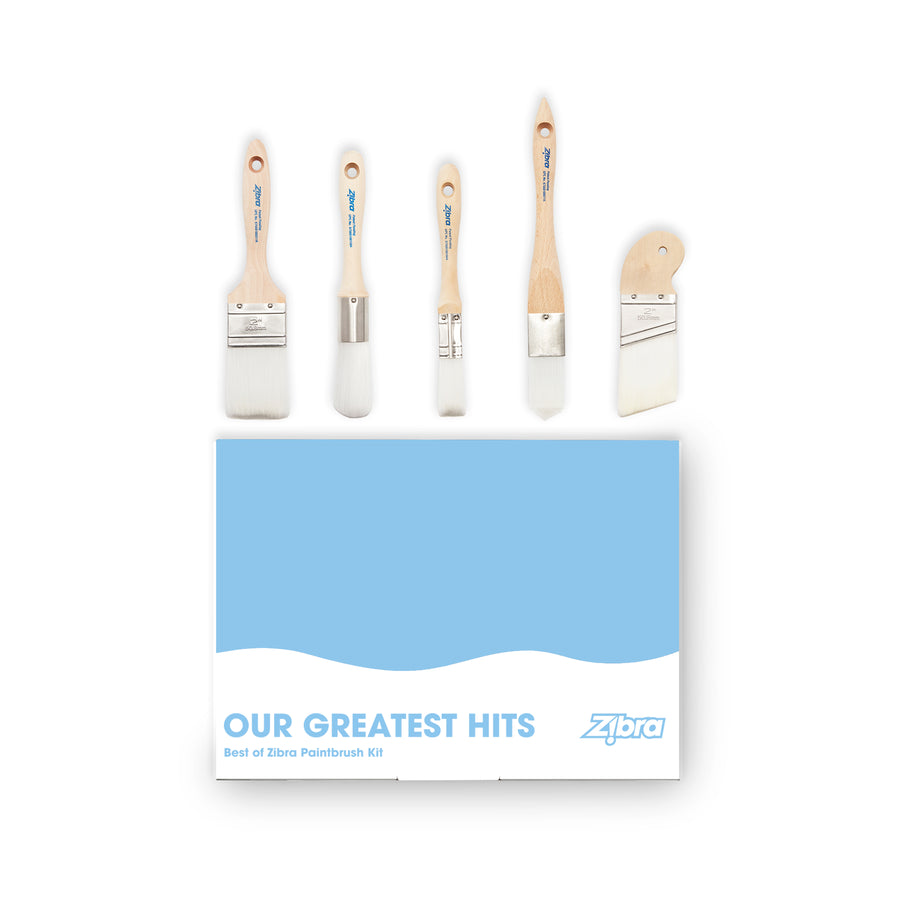
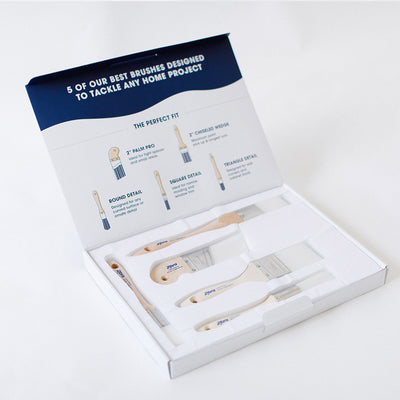
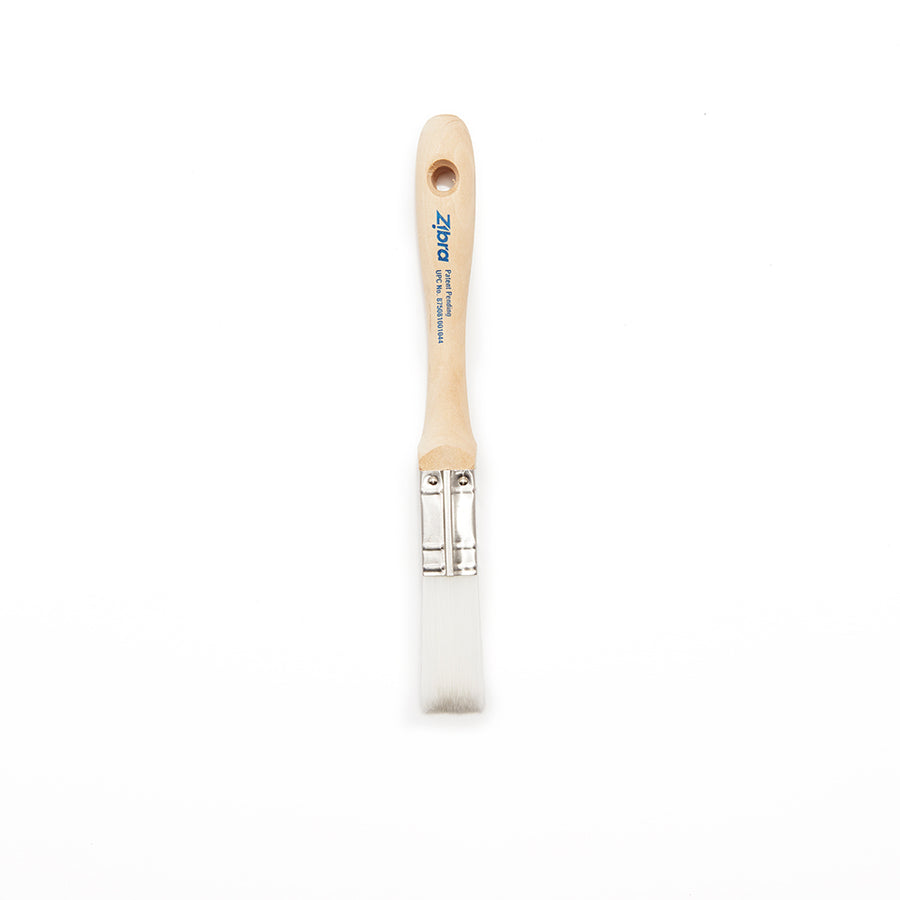
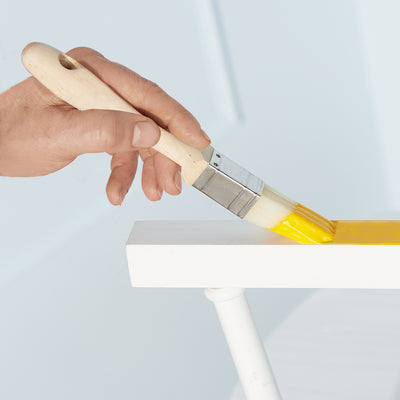
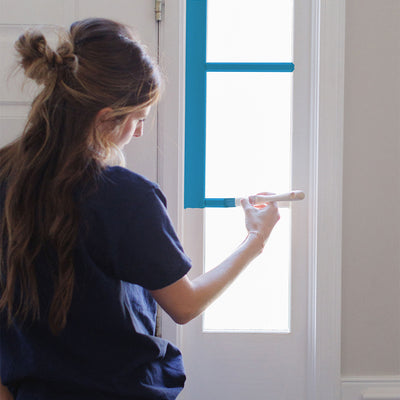
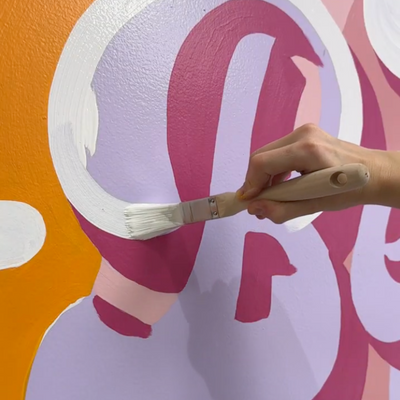
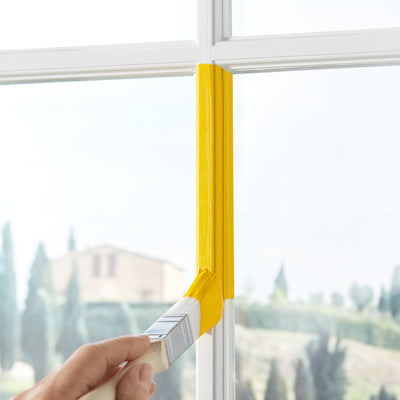
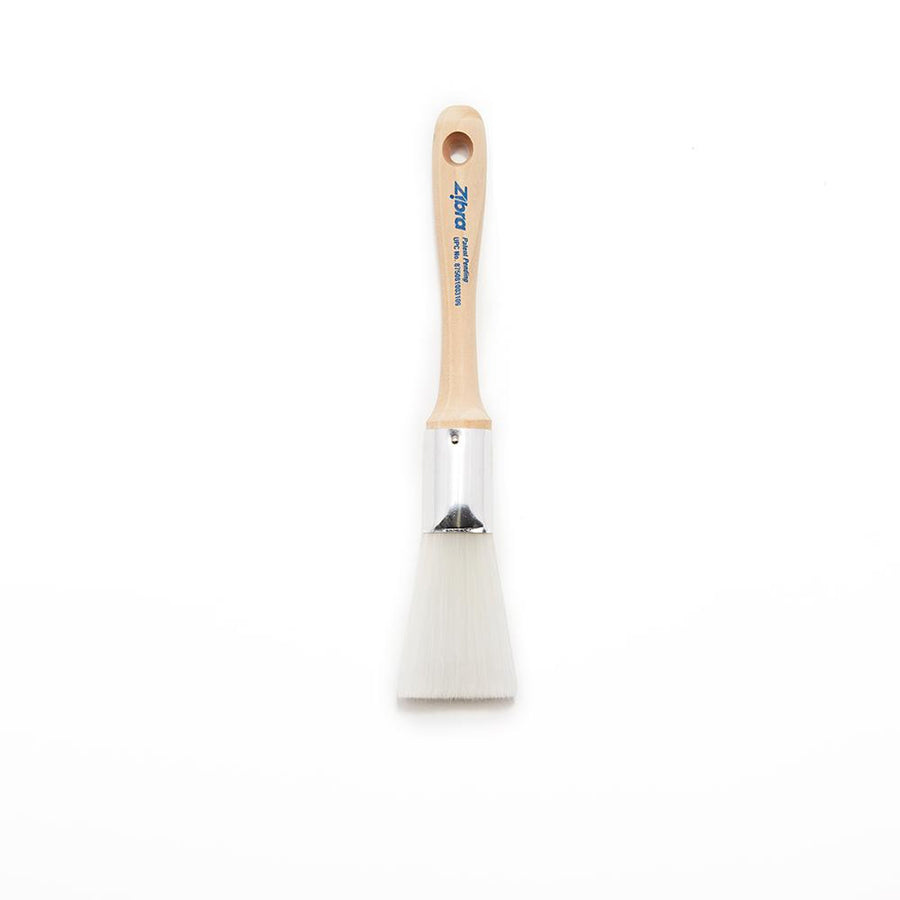
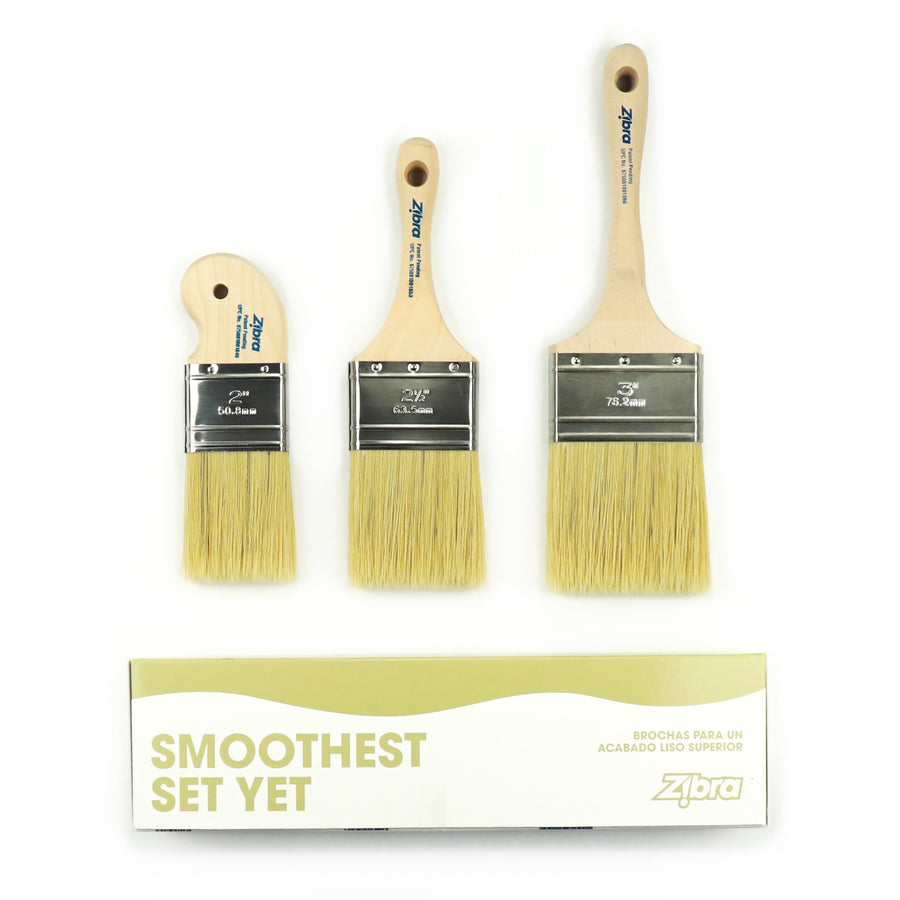
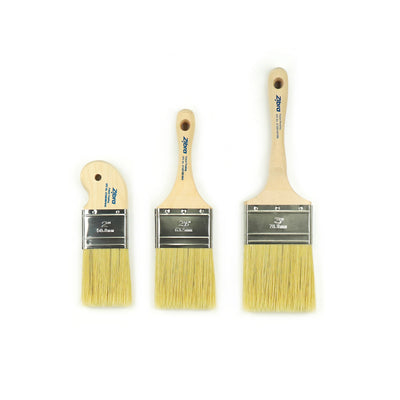
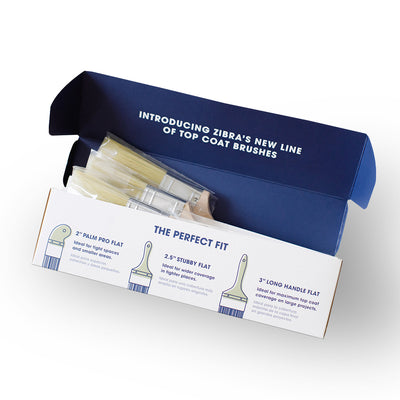
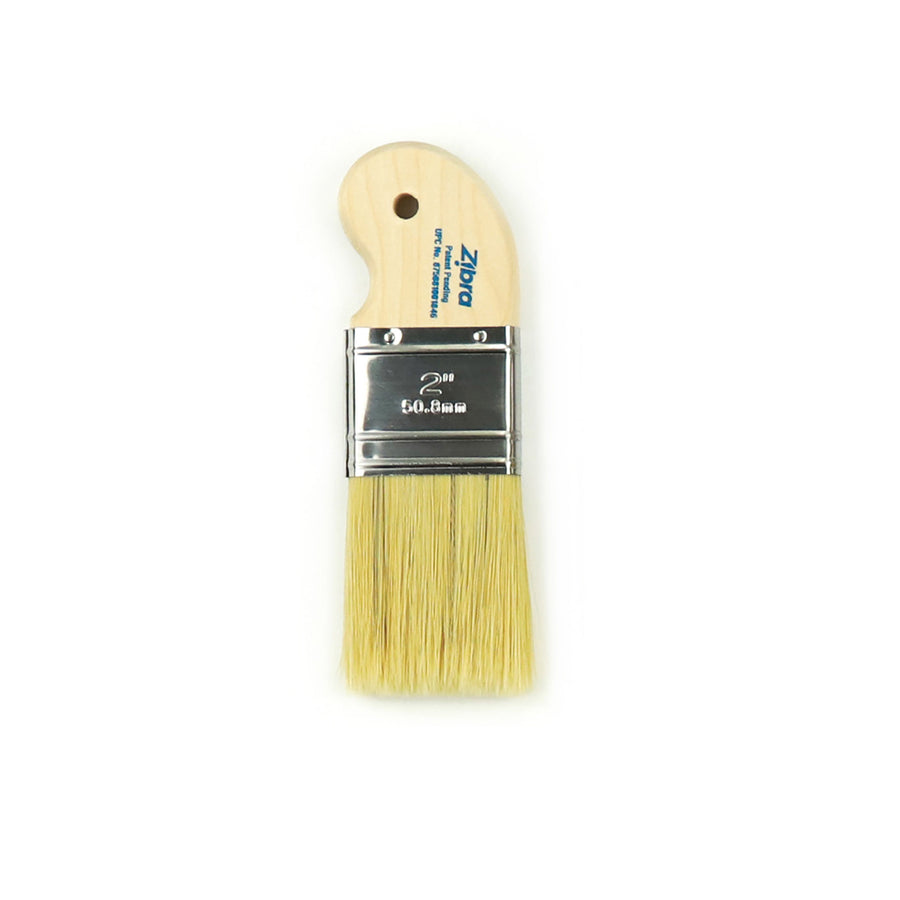
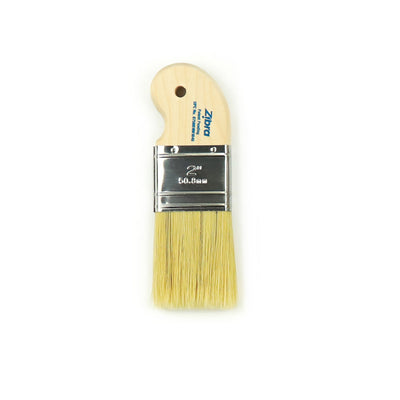
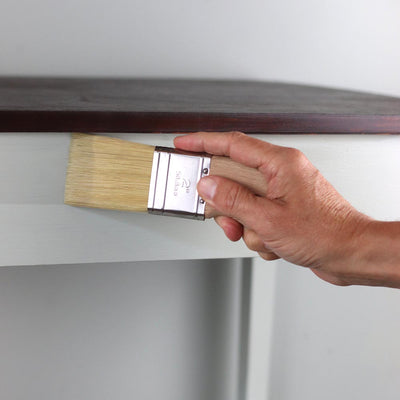
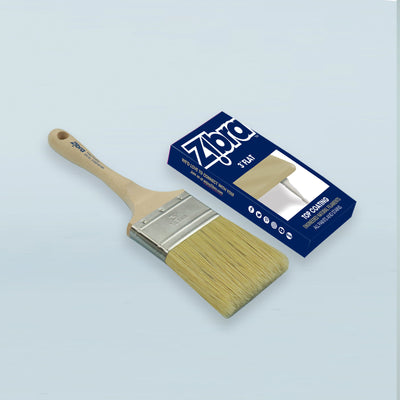
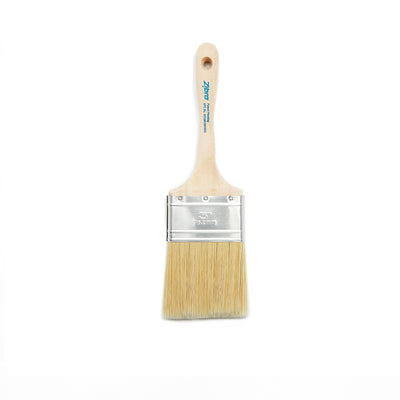
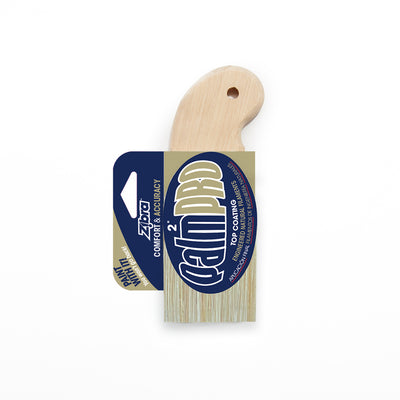
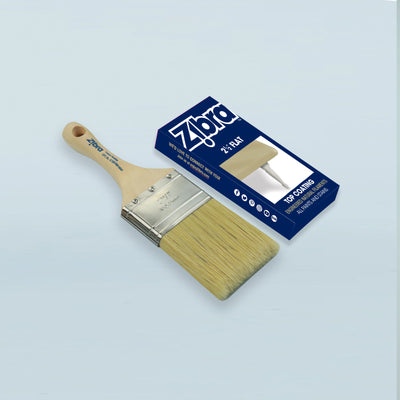
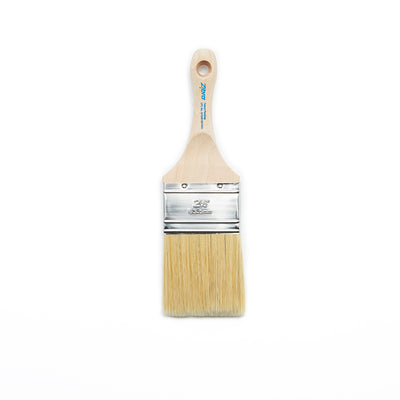
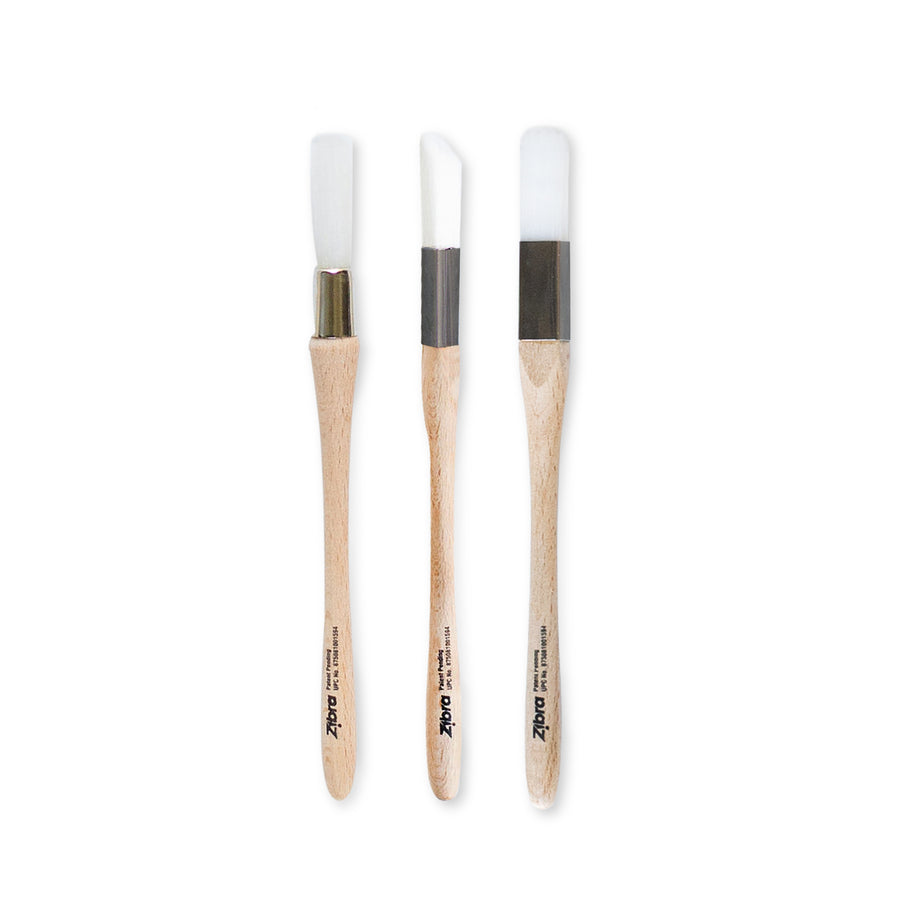
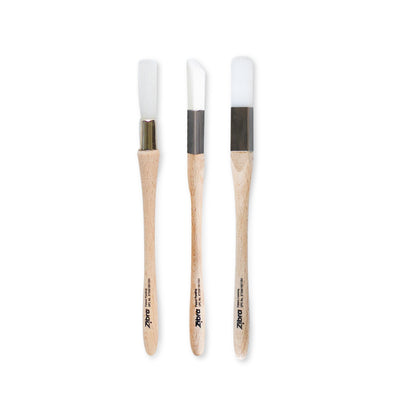
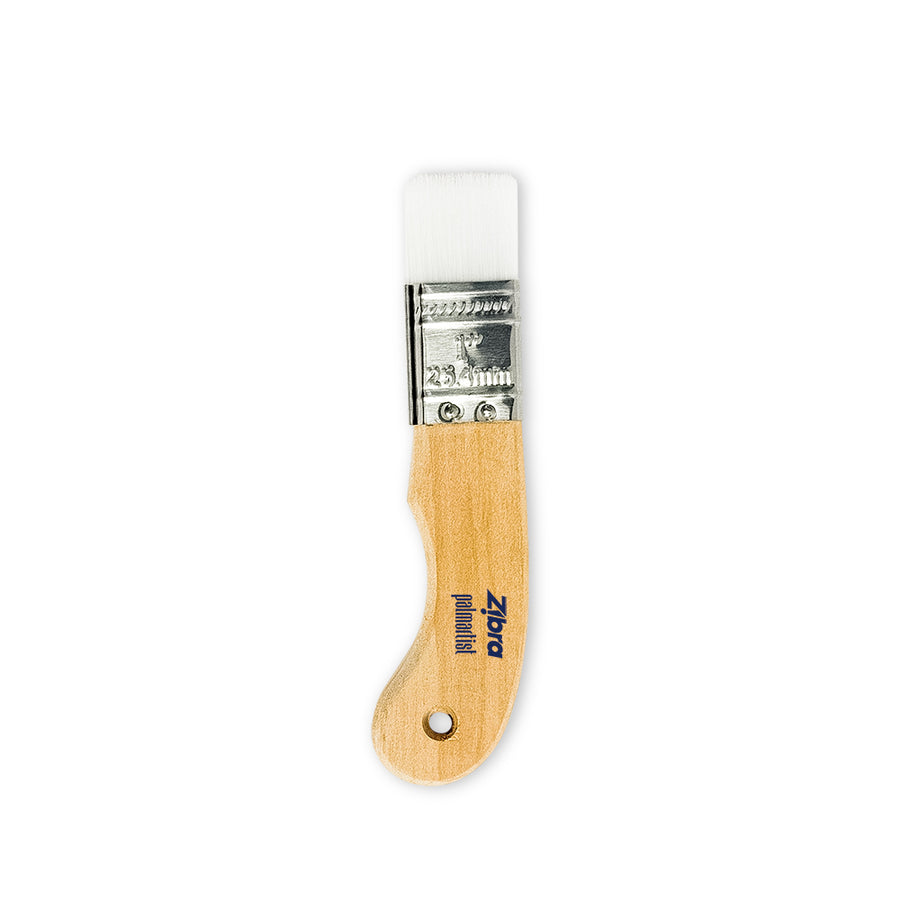
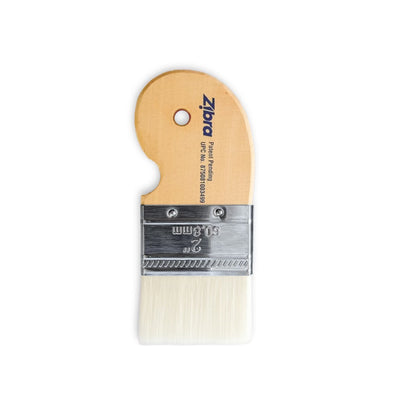
- Use the right brush for the job. A quality brush designed for oil-based finishes holds paint better and rinses cleaner. For house painting, try Zibra’s Flat Paintbrush or Chiseled Wedge Brush. For murals or art projects, try the Muralist Kit or our 3 Artist Set Bundle.
For more on brush care, check out How Do You Clean and Care for Paint Brushes? And How Can You Make Paint Brushes Last Longer?
Safety and disposal of paint brushes
Solvents and oily rags need some care. Read the labels on your products and follow your local rules for disposal.
- Ventilate. Work outdoors or with windows open, and keep solvents away from flames, sparks and heaters.
- Wear gloves (solvent-resistant, such as nitrile) to protect your skin.
- Never pour solvent or paint down the drain or onto the ground.
- Handle oily rags carefully. Rags soaked in some oils and oil-based finishes, such as linseed oil, can heat up as they dry and may catch fire on their own. Lay them flat outdoors to dry, or store them in a sealed metal container with water, as the product label directs, before disposal.
- Dispose of used solvent and sludge properly. Many areas treat them as household hazardous waste, so check with your local waste authority for drop-off options.
Frequently asked questions
How do you clean oil paint brushes? Wipe off excess paint, rinse the brush in mineral spirits until the paint loosens, wash with brush soap and warm water, rinse until clear, then reshape the bristles and let the brush dry.
Can you clean oil-based paint brushes with water? Not by itself. Oil-based paint does not dissolve in water, so you need a solvent such as mineral spirits first. Soap and water come after, to remove the solvent and remaining paint.
What is the best thing to clean oil paint brushes with? Mineral spirits or paint thinner is the standard choice for house paint. Many artists prefer odorless mineral spirits, and some use vegetable or walnut oil, followed by soap.
How do you rinse oil paint brushes? Use two or three containers of mineral spirits, moving from the dirtiest to the cleanest, then finish with soap and warm water. Wipe the brush on a rag between rinses.
Can you use soap to clean oil paint from brushes? Yes, as a final step. Soap removes leftover solvent and paint residue, but it works best after most of the paint has been removed with a solvent or oil.
How do you get dried oil paint out of a brush? Soak the bristles in mineral spirits or thinner for several hours, then work the paint out with a cleaning comb. Fully hardened paint may not come out.
Keep your brushes working like new
Zibra paintbrushes were made to last from project to project. With a little TLC following every painting session, your Zibra brushes will be good as new. Not sure which brush is right for your project? Take our paintbrush quiz!