Preparation is Key:
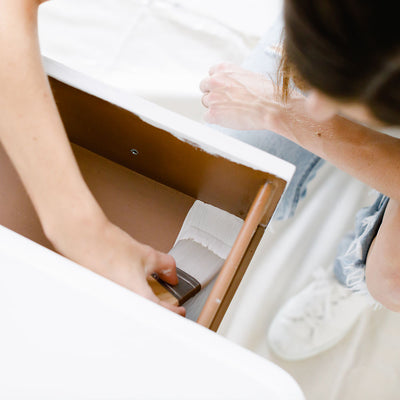
Before diving into painting, thorough preparation is essential. Start by cleaning all cabinet surfaces to remove dirt, grease, and grime. Scuff sanding is crucial, especially for glossy finishes, as it helps the paint adhere better and prevents peeling or chipping later on.
Quality Matters:
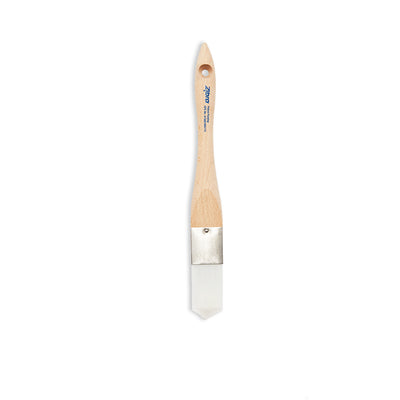
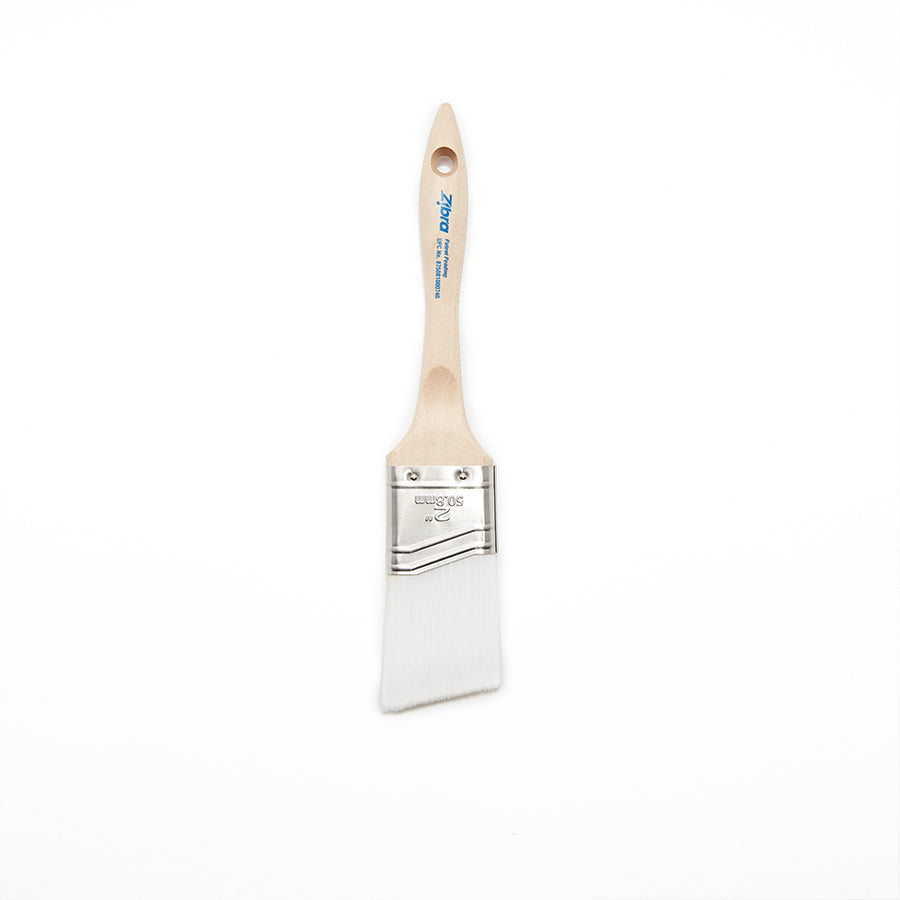
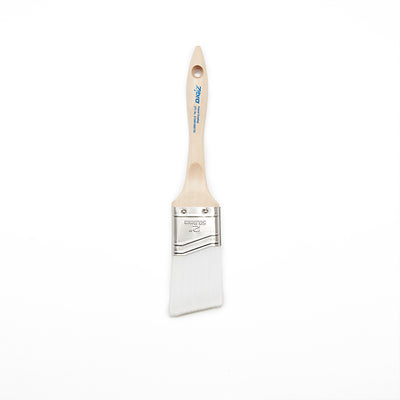
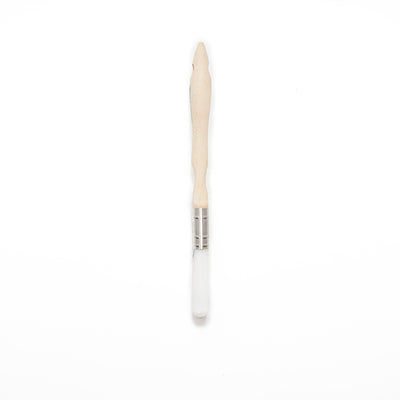
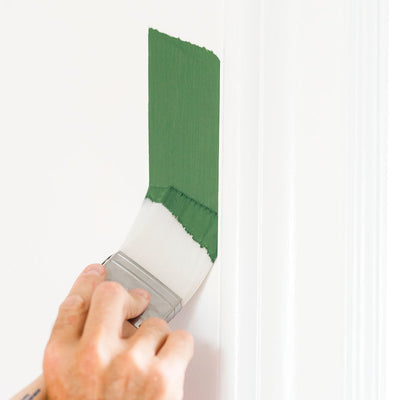
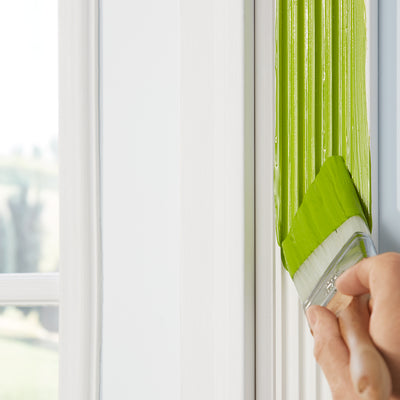
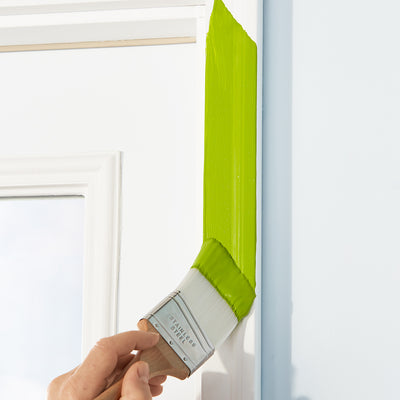
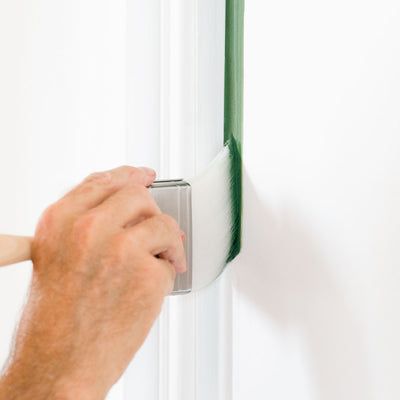
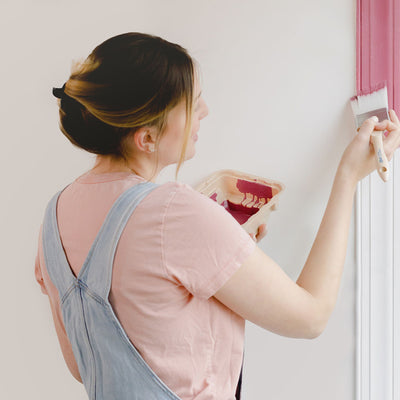
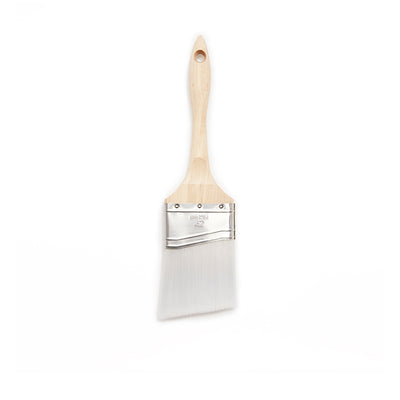
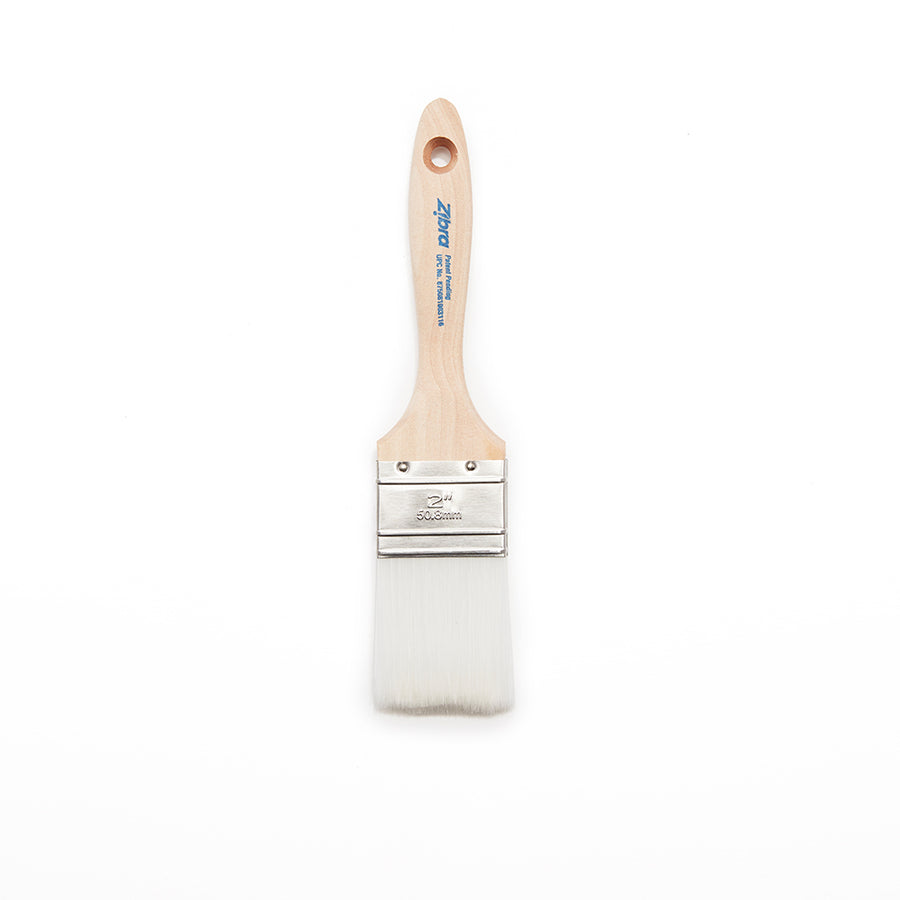
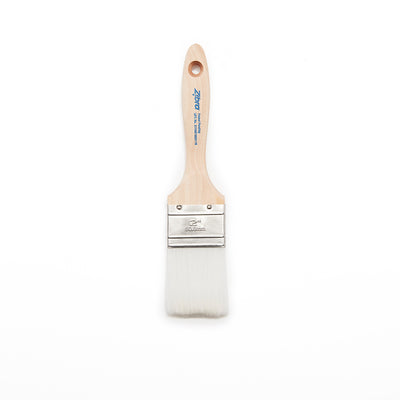
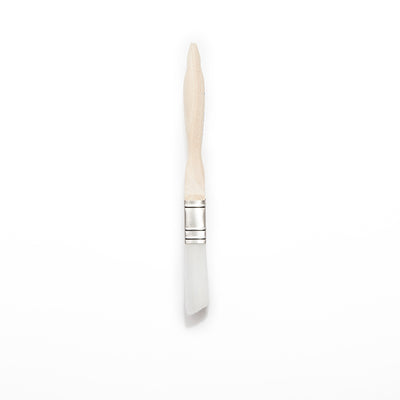
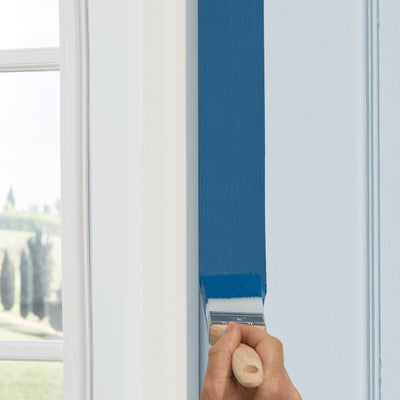
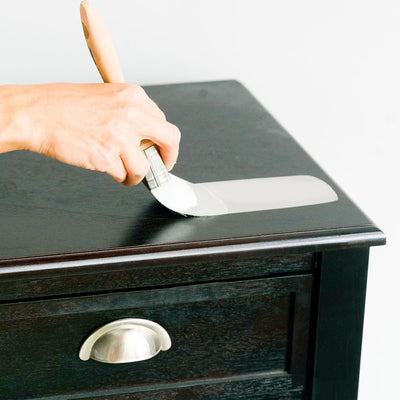
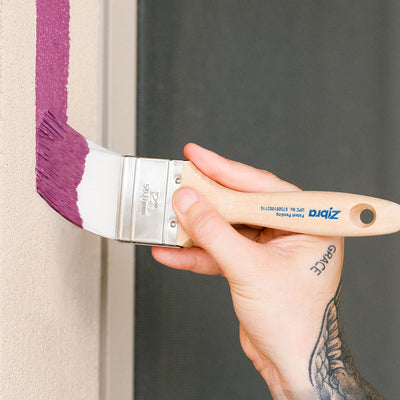
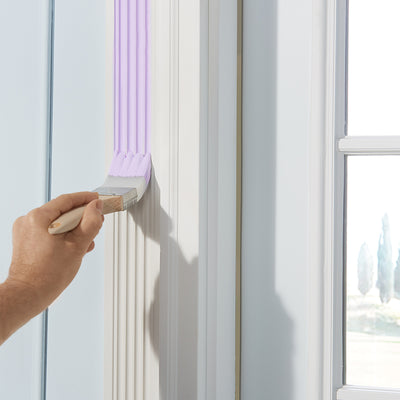
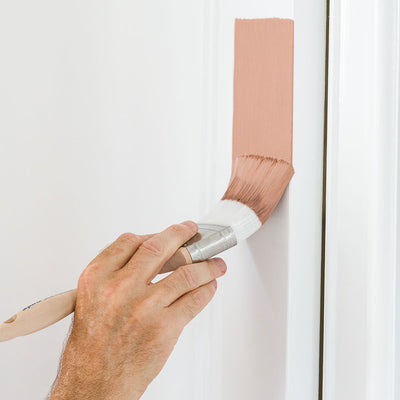
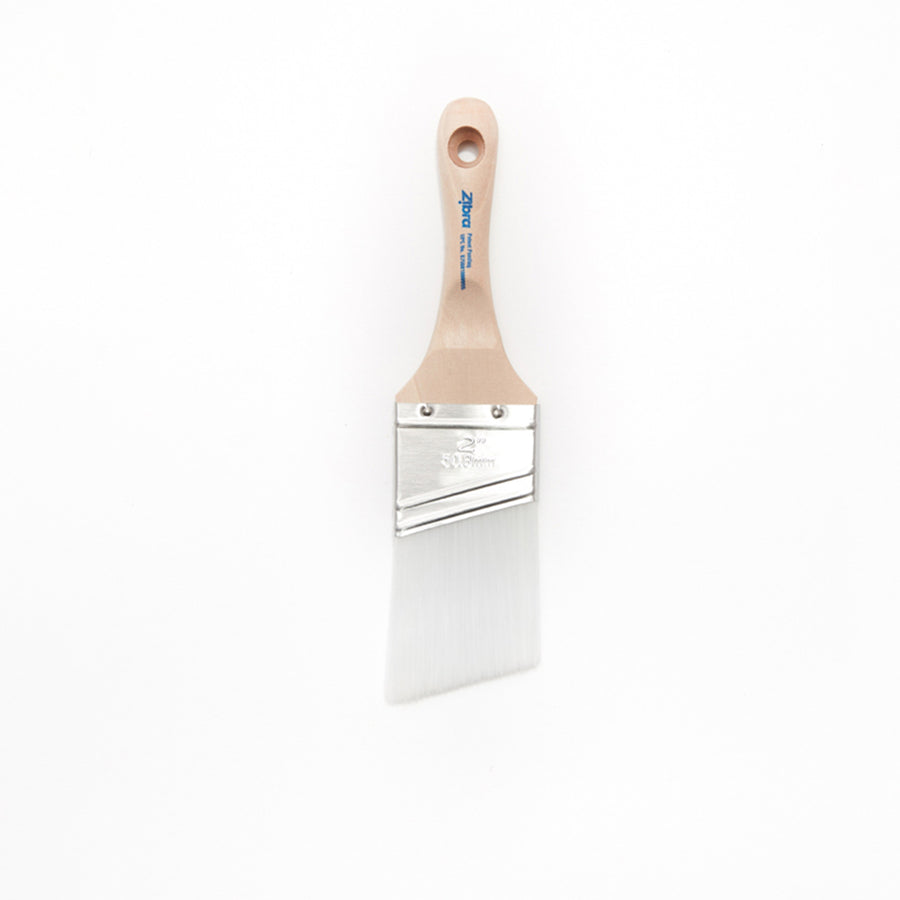
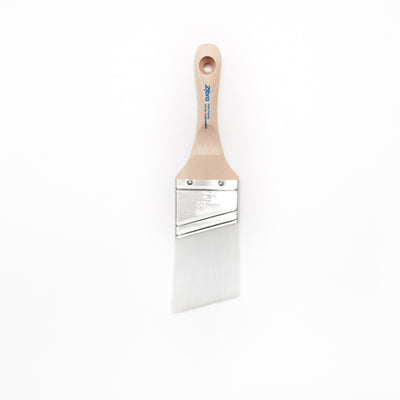
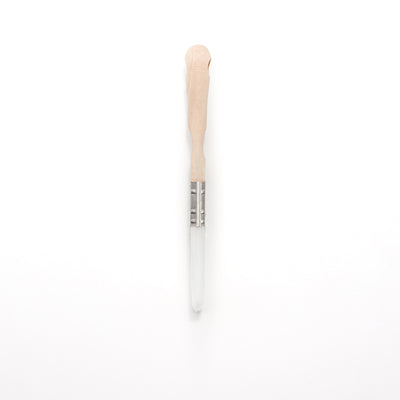
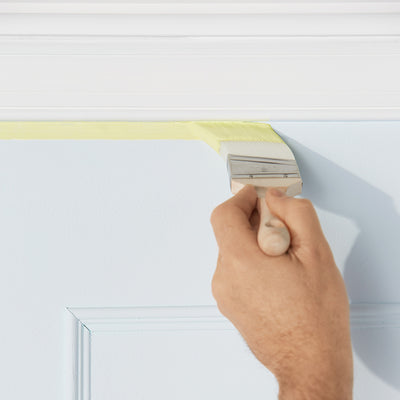
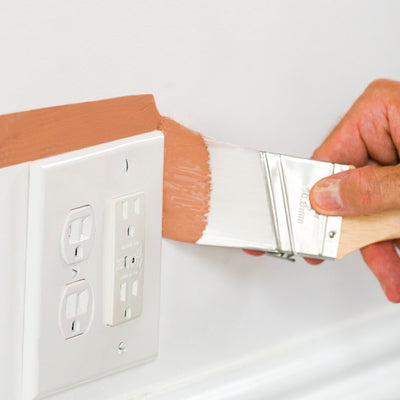
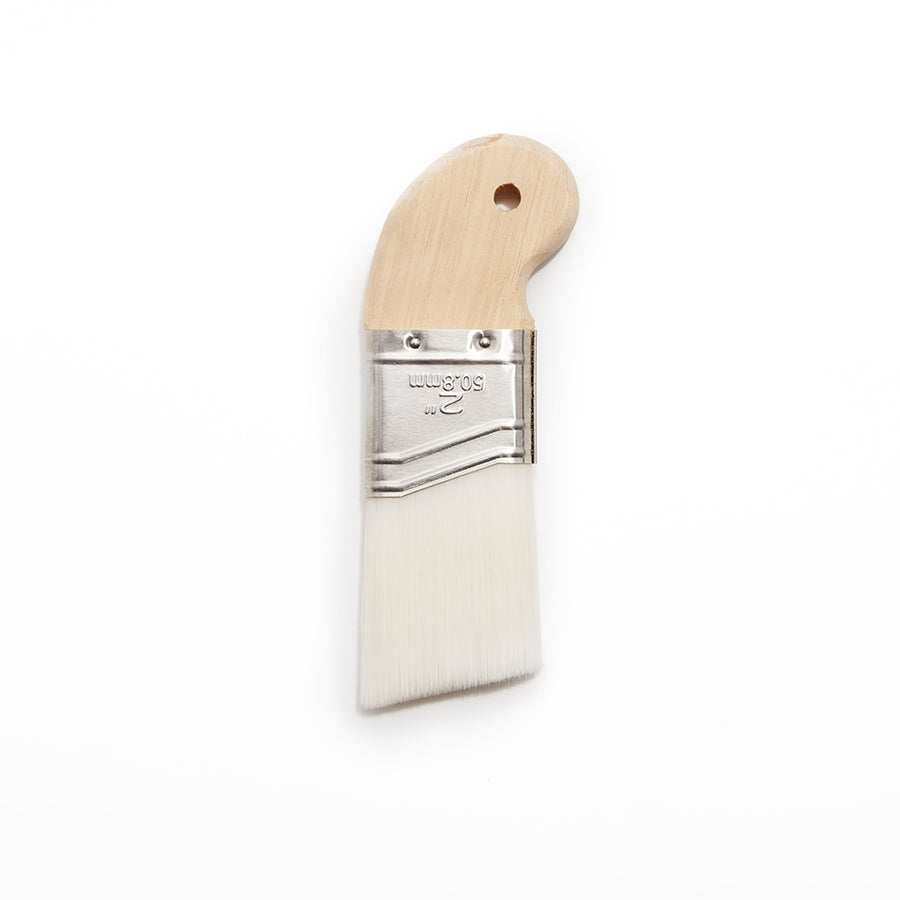
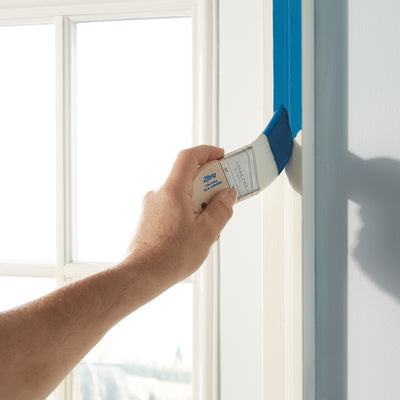
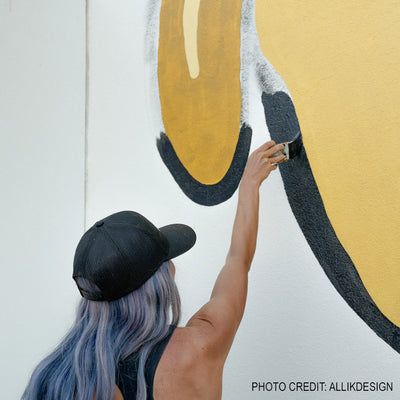
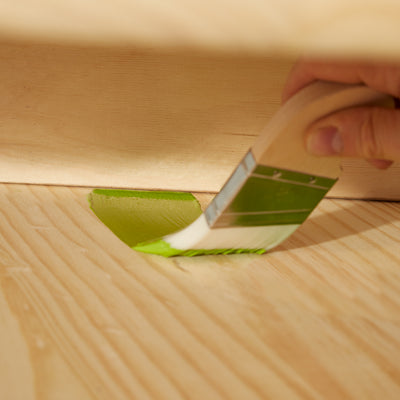
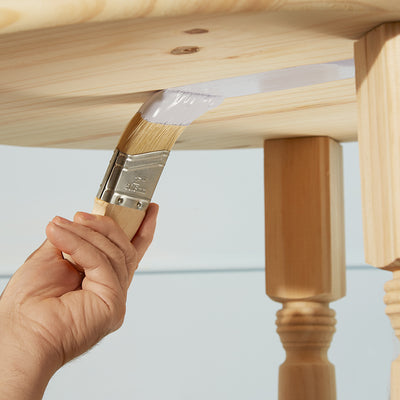
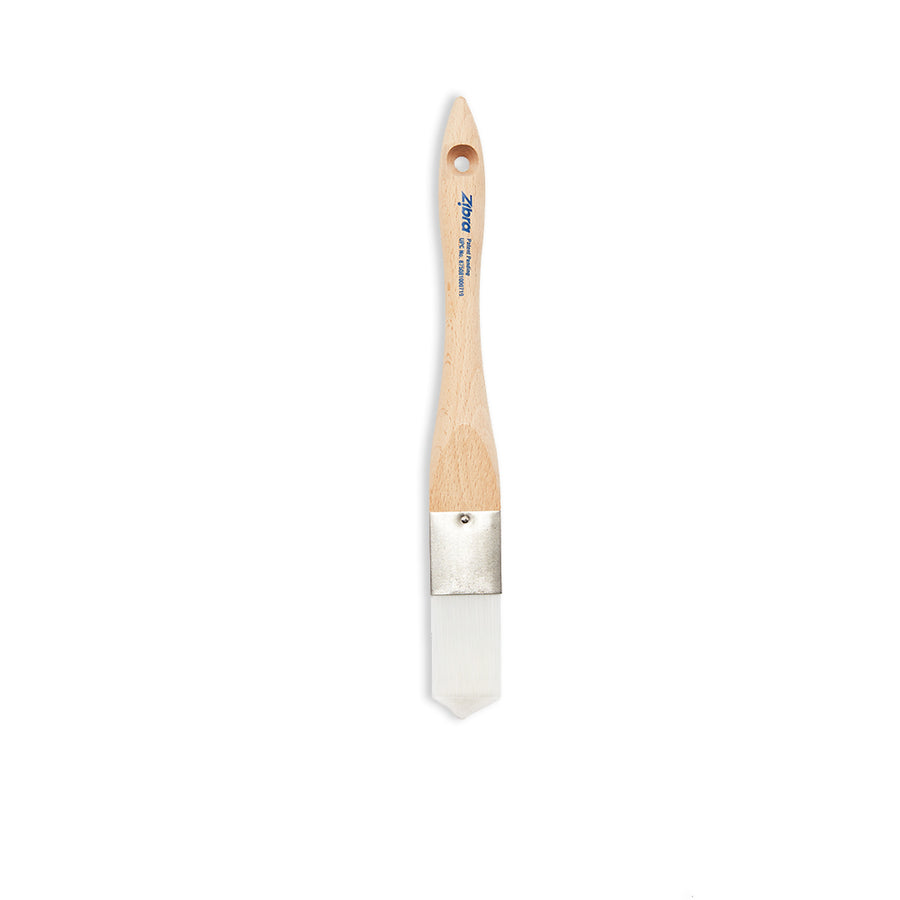
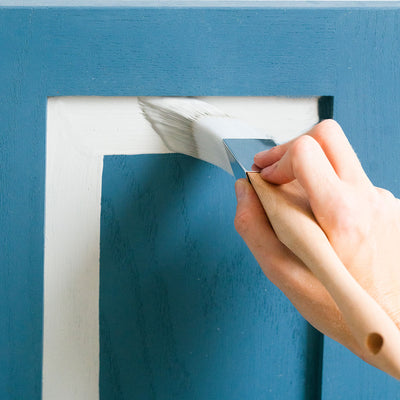
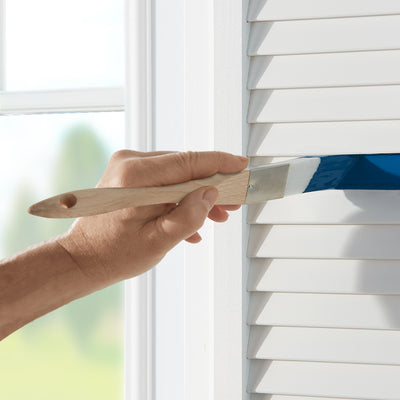
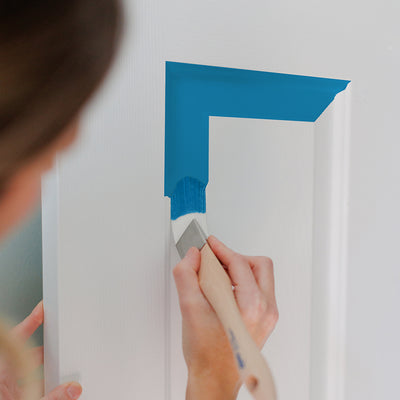
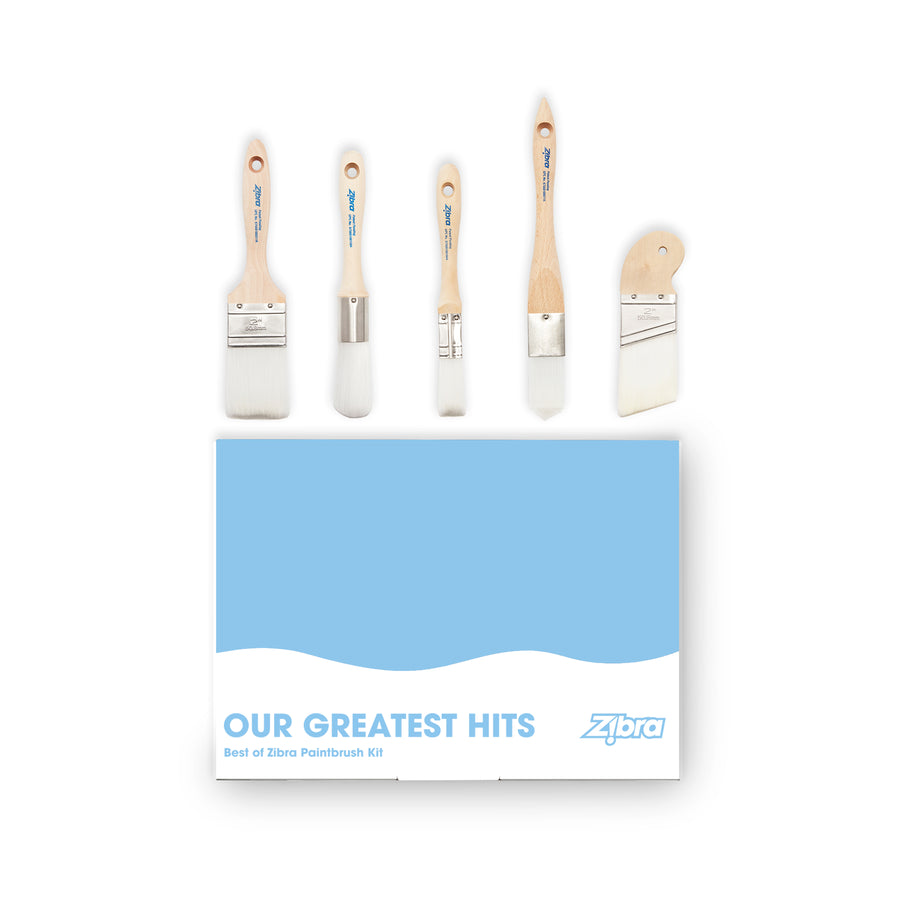
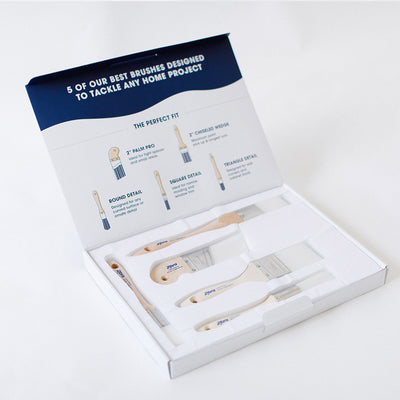
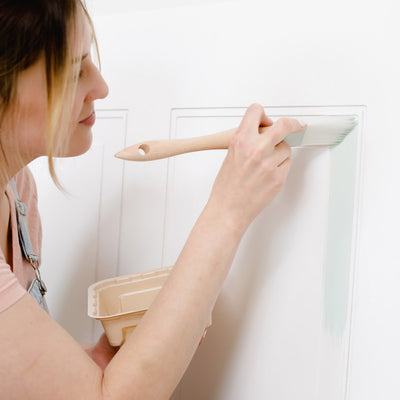
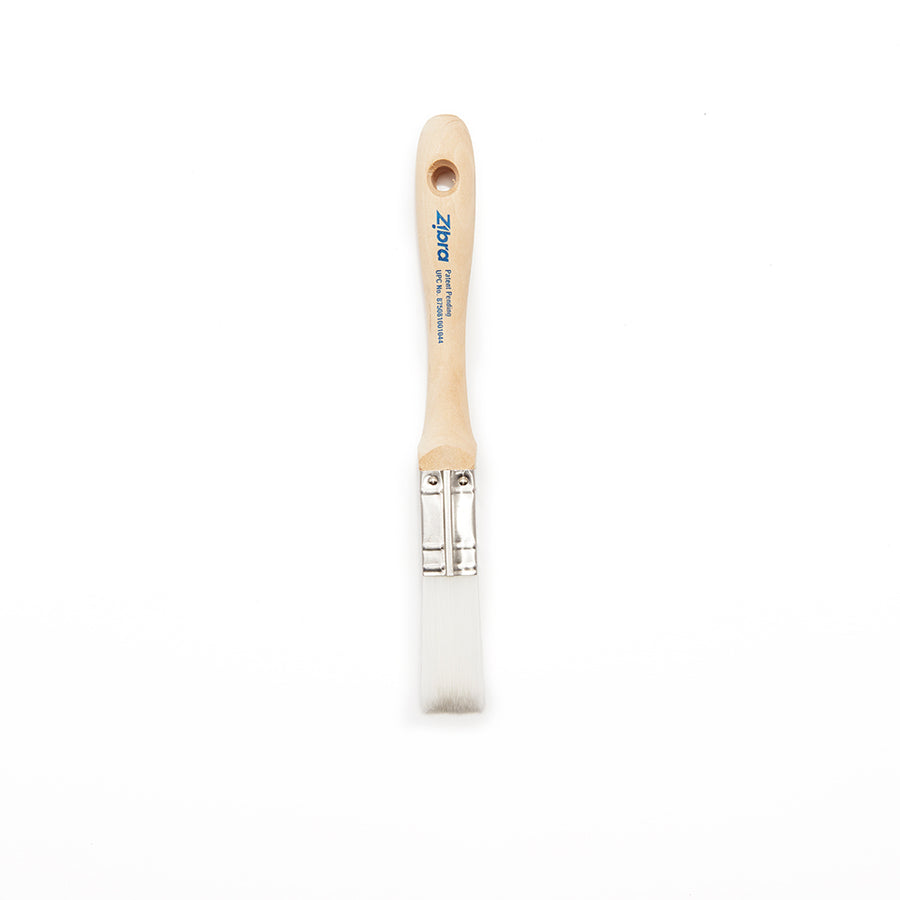
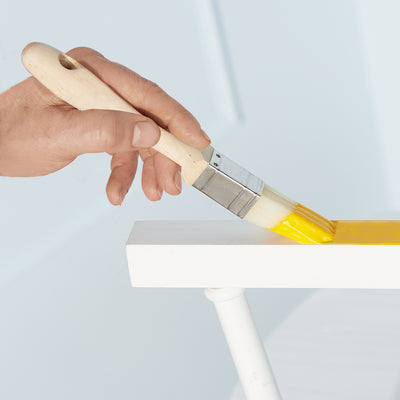
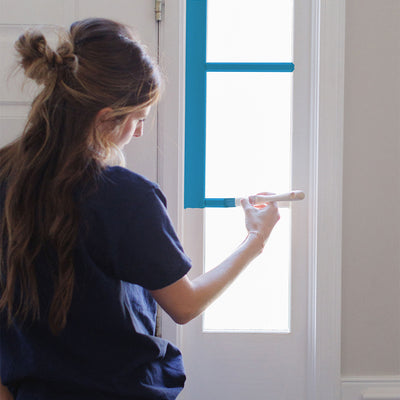
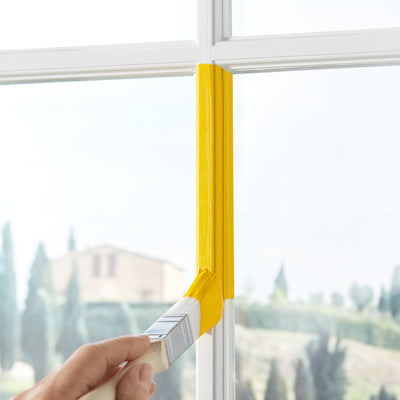
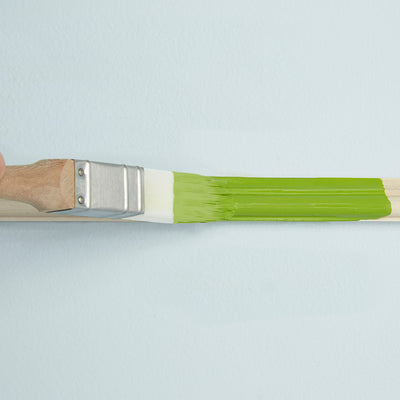
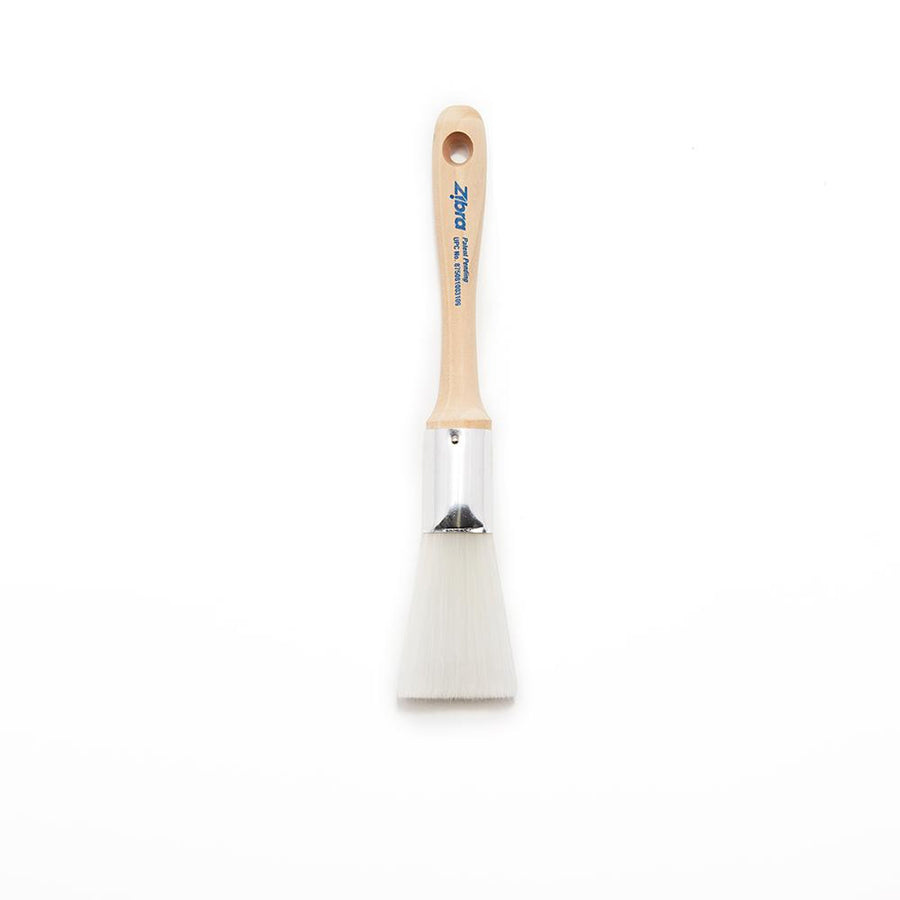
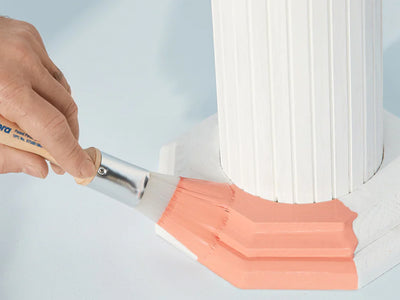
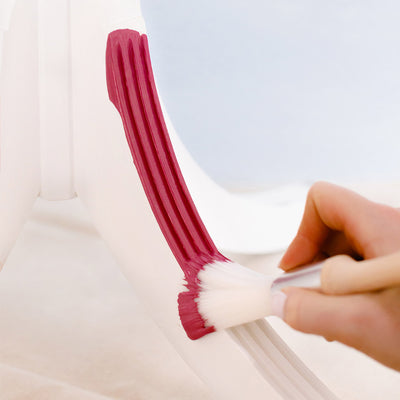
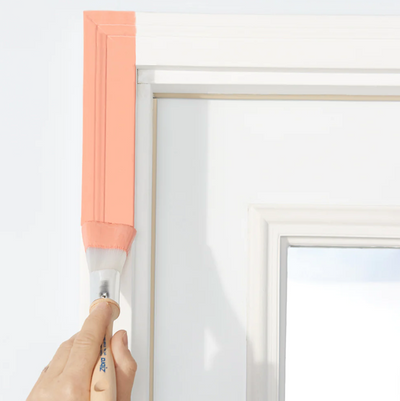
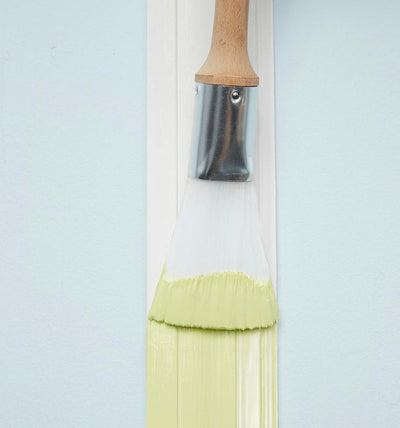
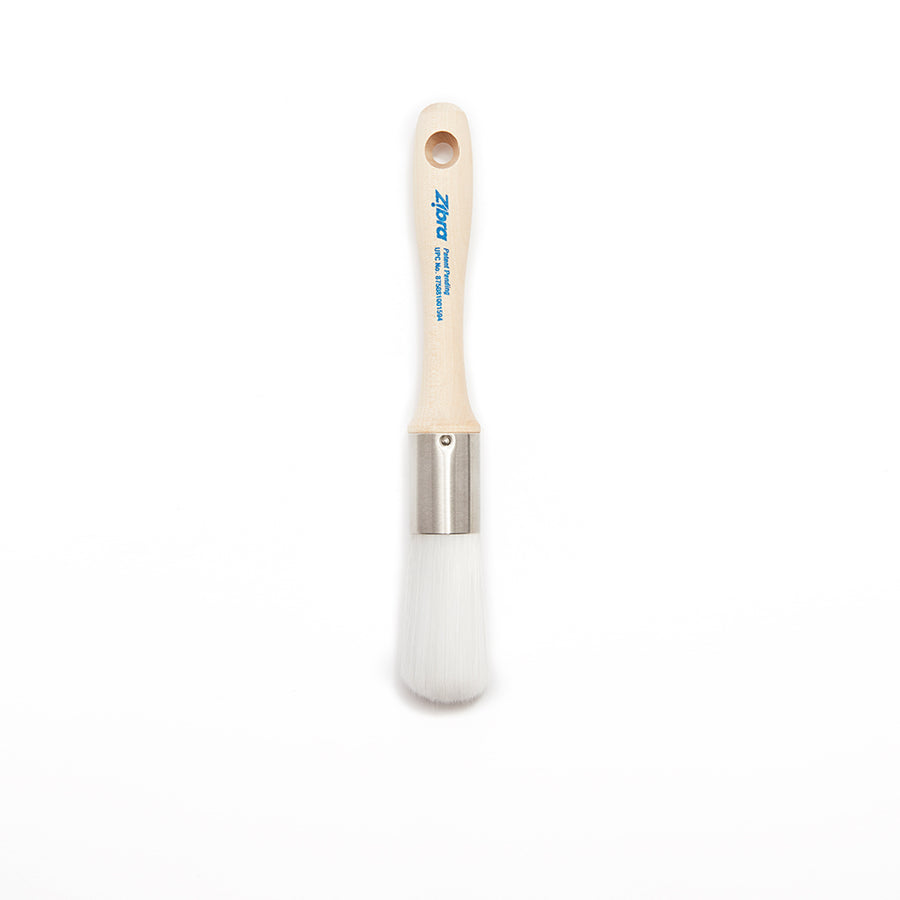
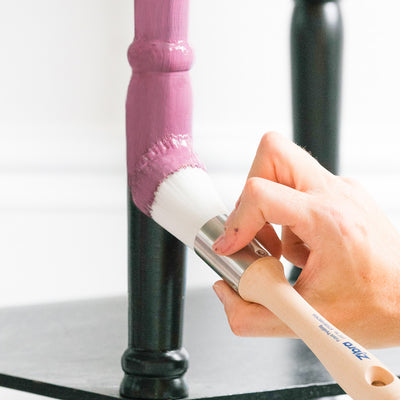
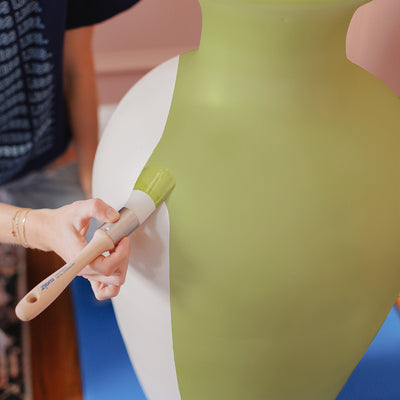
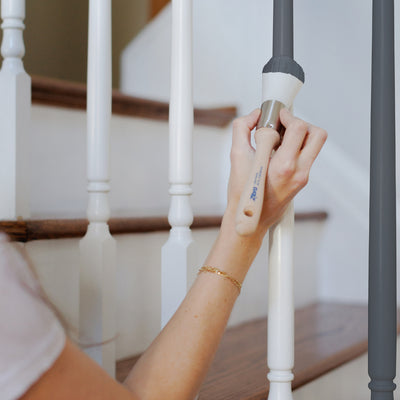
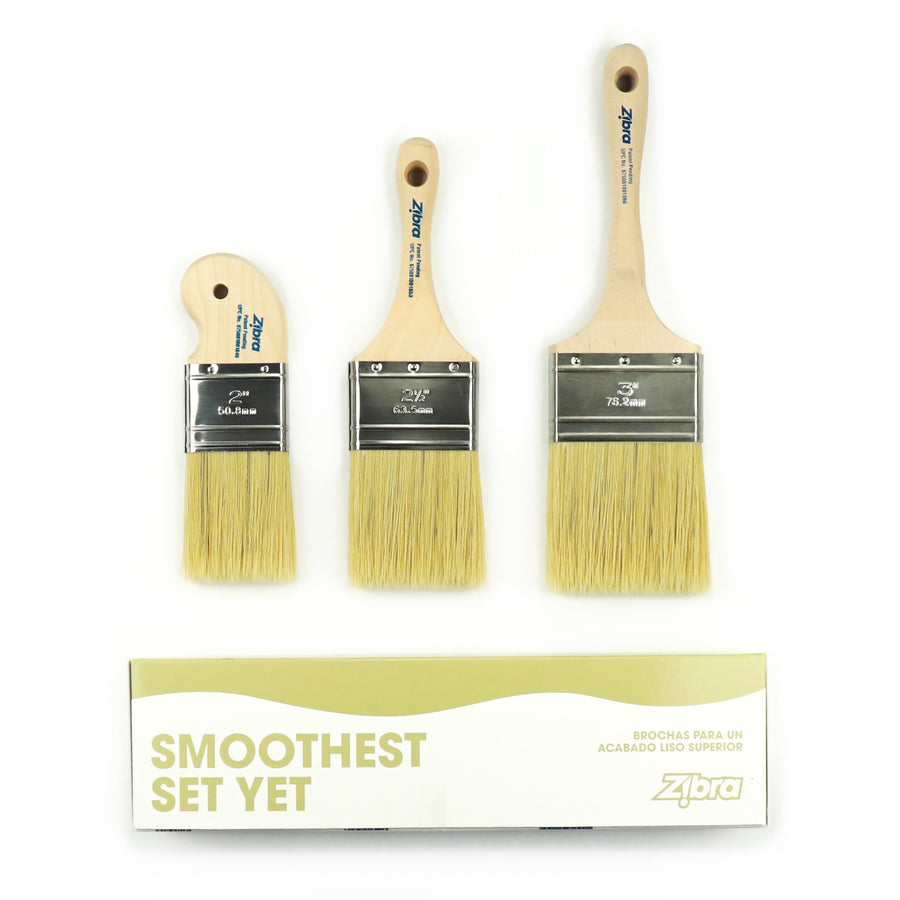
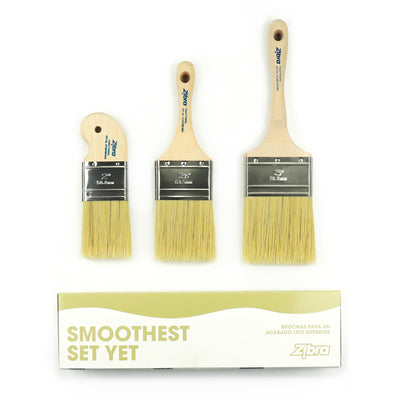
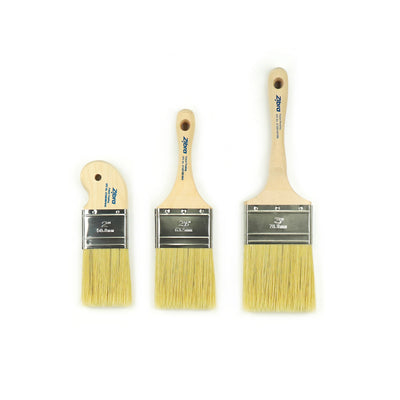
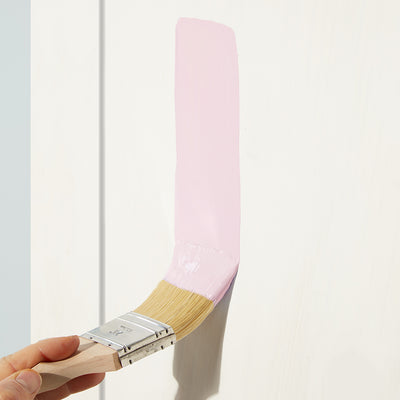
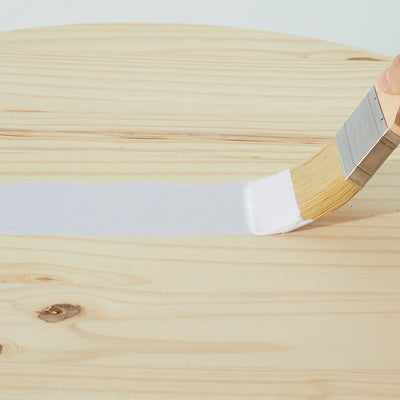
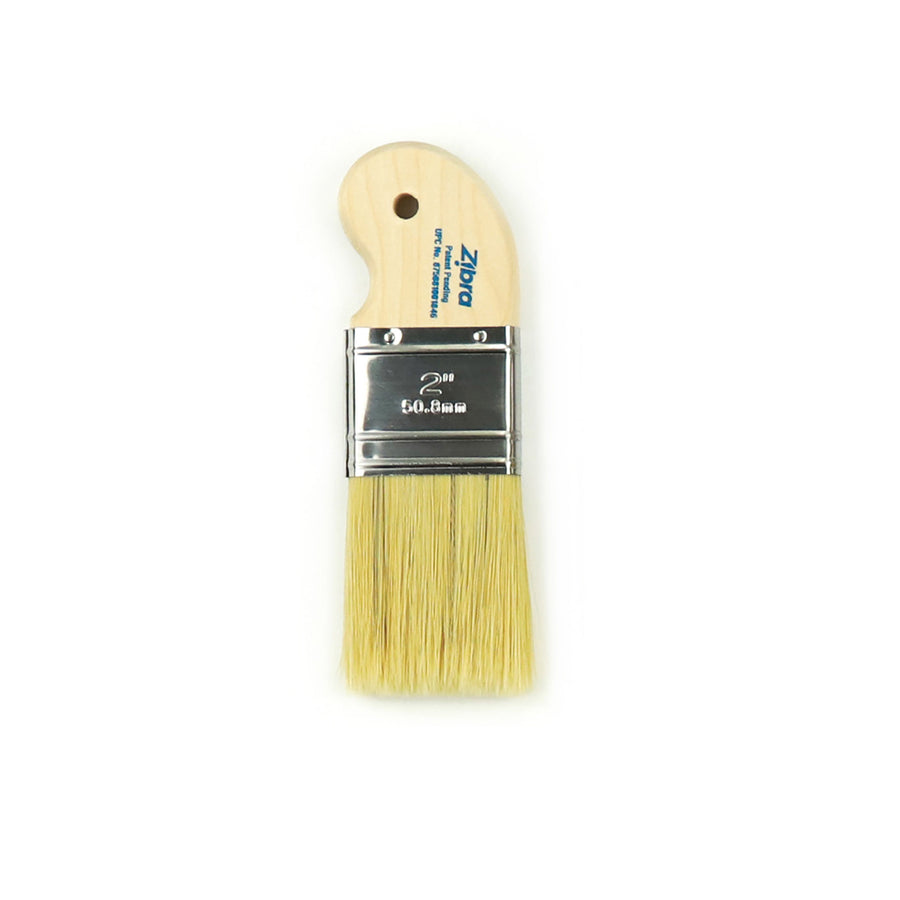
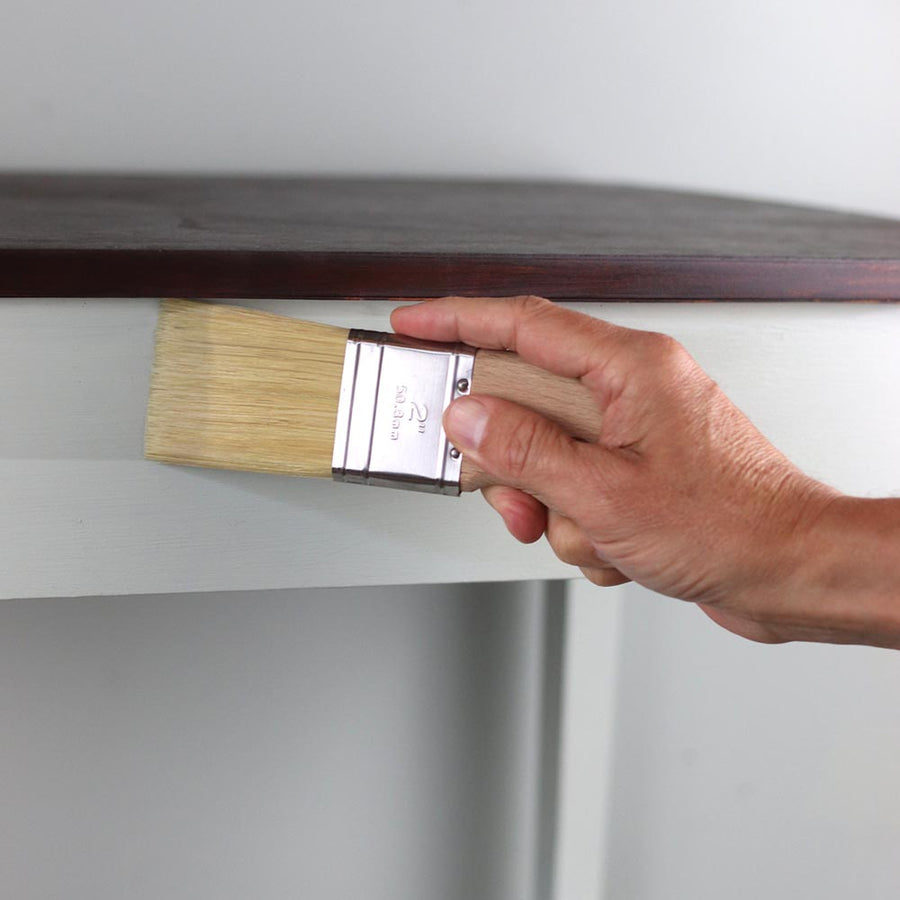
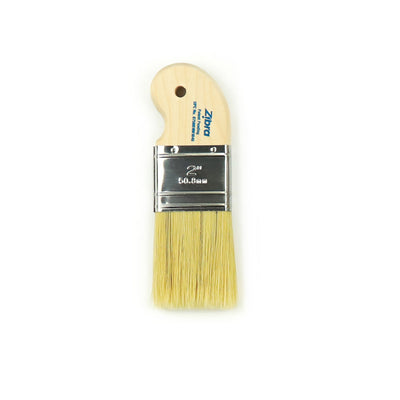
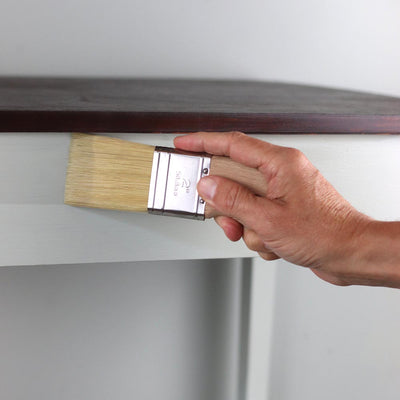
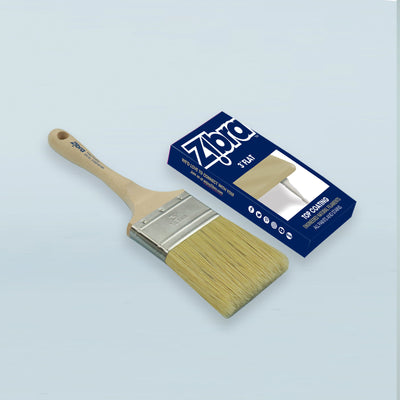
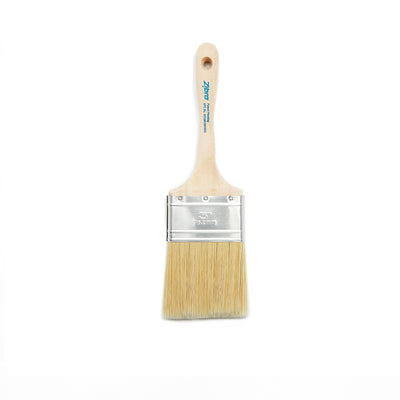
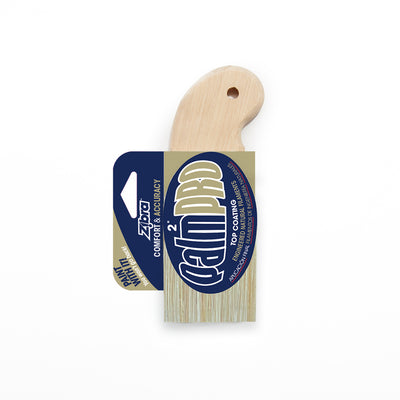
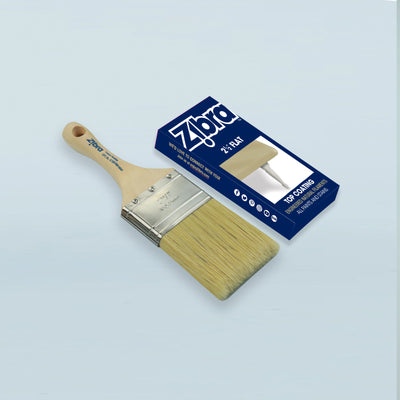
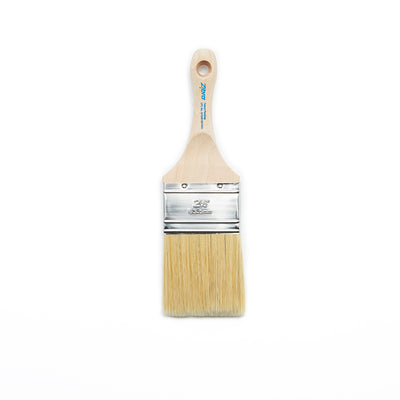
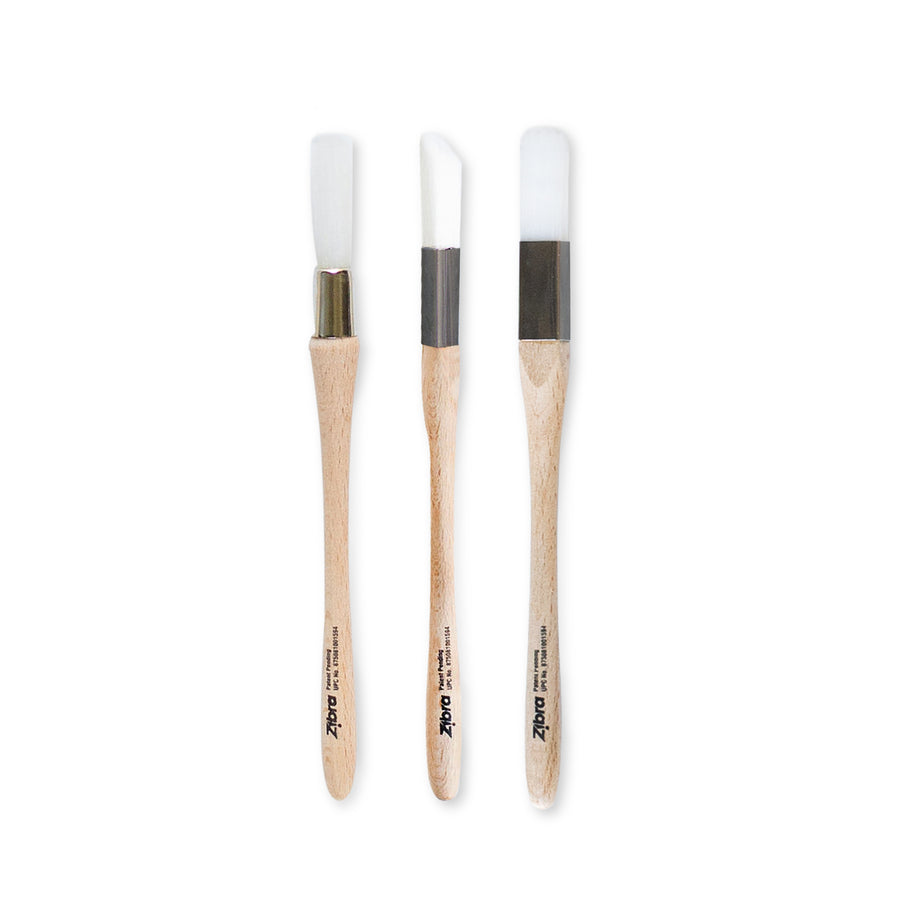
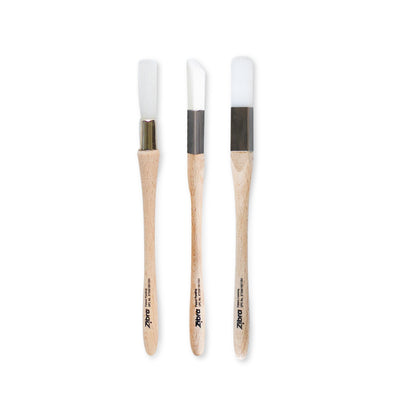
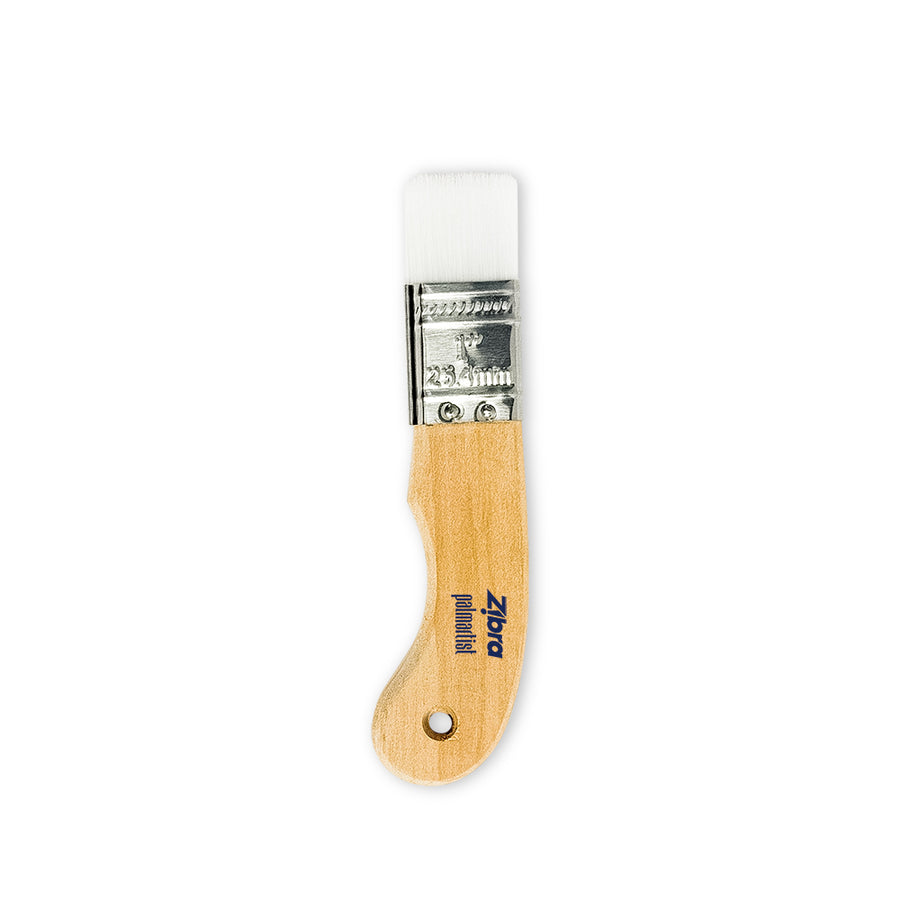
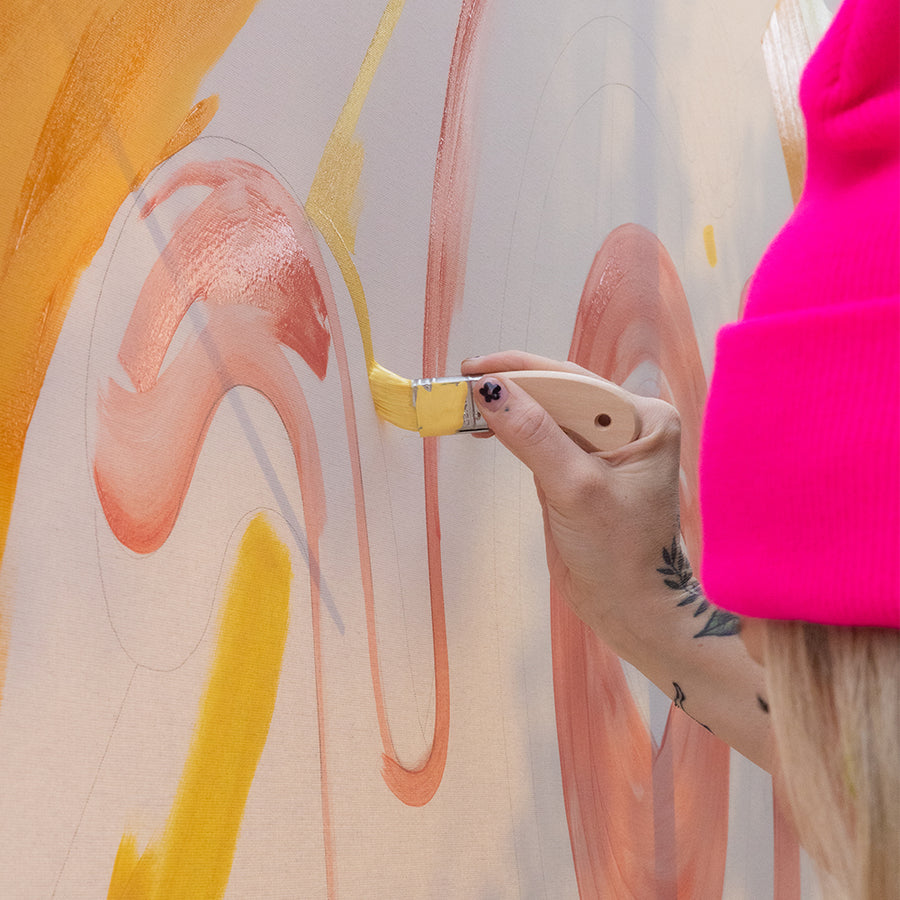
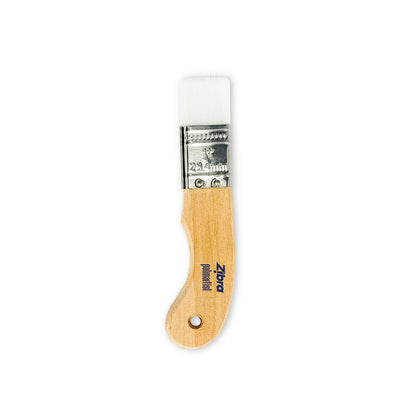
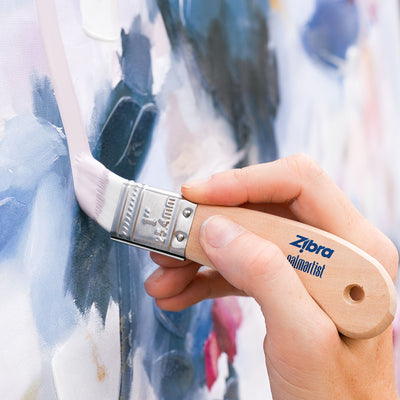
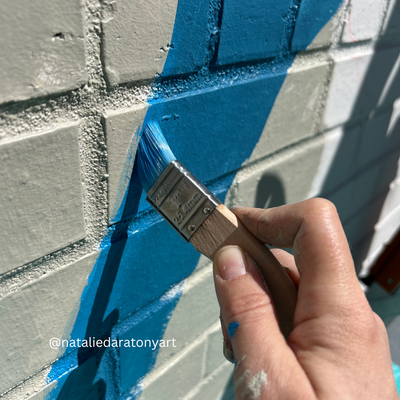
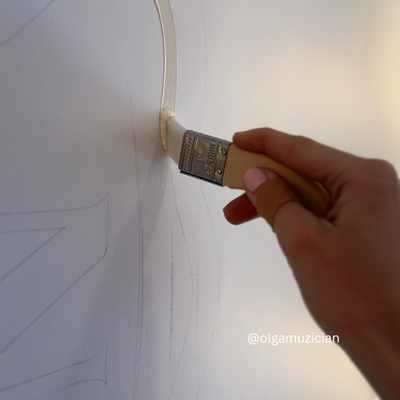
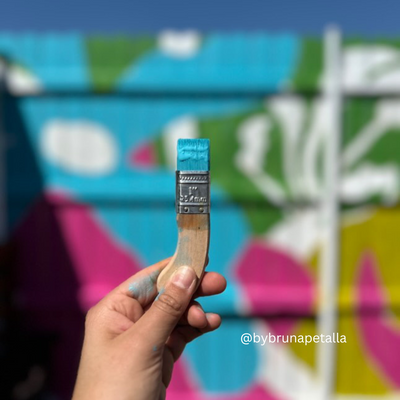
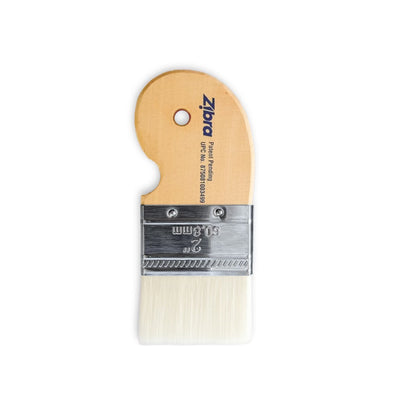
Invest in high-quality materials for long-lasting results. Use a shellac primer and urethane enamel paint for cabinets that will endure heavy use. These products provide a smooth application and create a durable surface without the need for a topcoat. Pairing them with Zibra paintbrushes ensures precise application and professional-looking results. The Zibra Triangle Paintbrush is the perfect choice when it comes to painting corners in raised panel doors. And for everything else? Opt for the Zibra Chiseled Wedge Paintbrush, since it holds a lot of paint for flat surfaces.
Sanding Between Coats:
To achieve a flawless finish, lightly sand between coats of primer or paint. This step helps smooth out any imperfections like drips, fuzz, or bubbles that may have formed during application. Use a fine-grit sandpaper, such as 400 grit, and sand by hand for optimal control and precision.
Tack Cloth for Cleanliness:
Before applying each subsequent layer of primer or paint, use a tack cloth to wipe away any dirt and dust particles. This ensures a clean surface for optimal paint adhesion and a smooth finish. Remember to wear gloves while using tack cloth to prevent stickiness discomfort.
By following these steps and using quality materials like shellac primer, urethane enamel paint, and Zibra paintbrushes, you can achieve professional-quality results when painting your cabinets. From thorough preparation to meticulous application, attention to detail is key to ensuring a smooth, durable finish that will stand the test of time.

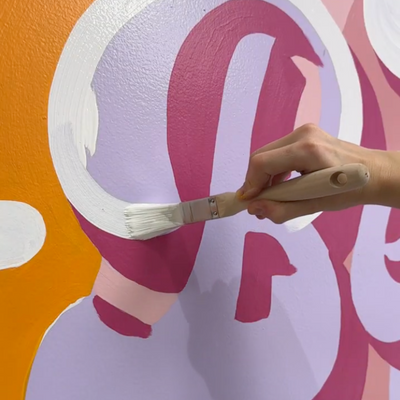
To see this process in action, check out this reel by @creatiffdiy
Don’t Forget to Clean Your Brushes
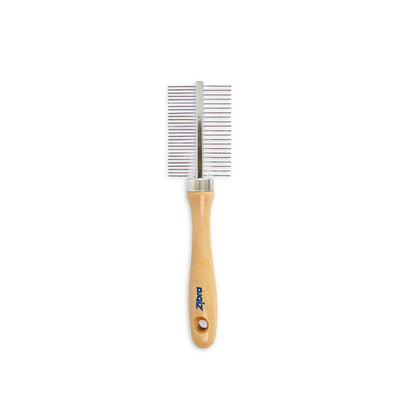
After painting, clean your brushes with soap, water, and the Zibra Paintbrush Cleaning Tool to remove any paint residue. Proper maintenance ensures your brushes remain in top condition for future projects.
Happy painting, and enjoy your refreshed cabinets! Don’t forget to share your projects with us on social media, using @zibrapainting and inspire others on their painting journey! Want more tips and tricks? Sign up for our mailing list. Happy painting!