Surface Preparation
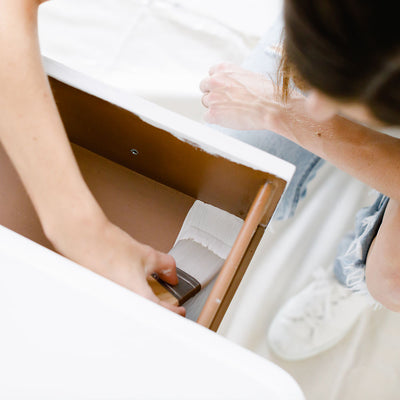
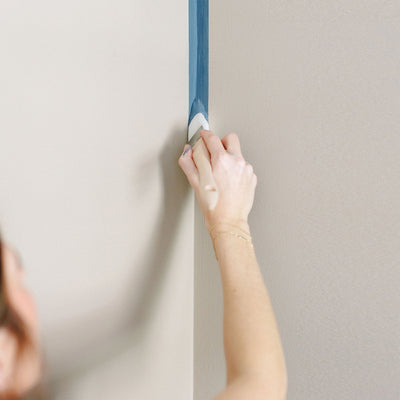
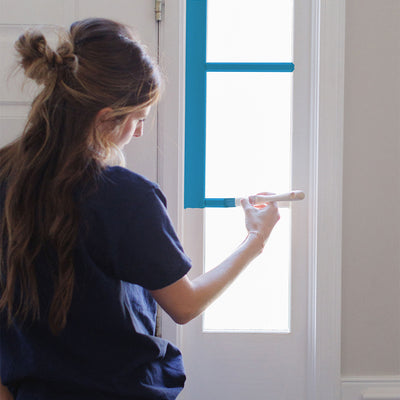
Before diving into the world of brushstrokes, ensure your surfaces are ready for the transformation. Smooth out rough patches by scraping off any peeling paint with a putty knife and sanding the walls.
Choosing Compatible Paints
Avoid potential complications by ensuring compatibility between different types of paints. Mixing incompatible paints can lead to separation or clumping, causing an uneven application
Embrace the Power of Oil-Based Paints
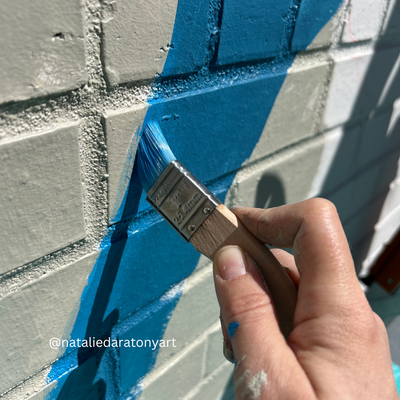
For exterior surfaces, consider the benefits of oil-based paints. These paints dry quickly, resist mildew, and withstand outdoor elements.
Mastering Brush Techniques with Quality Brushes
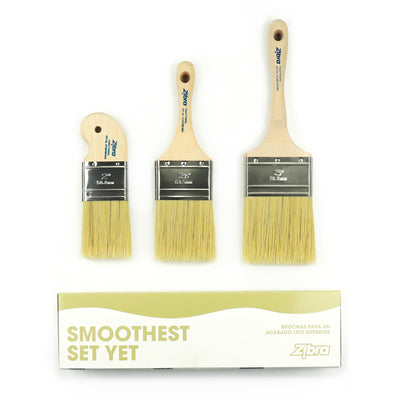
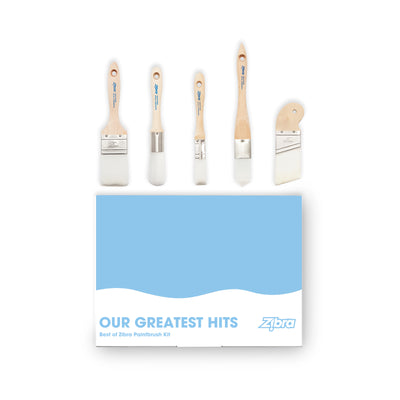
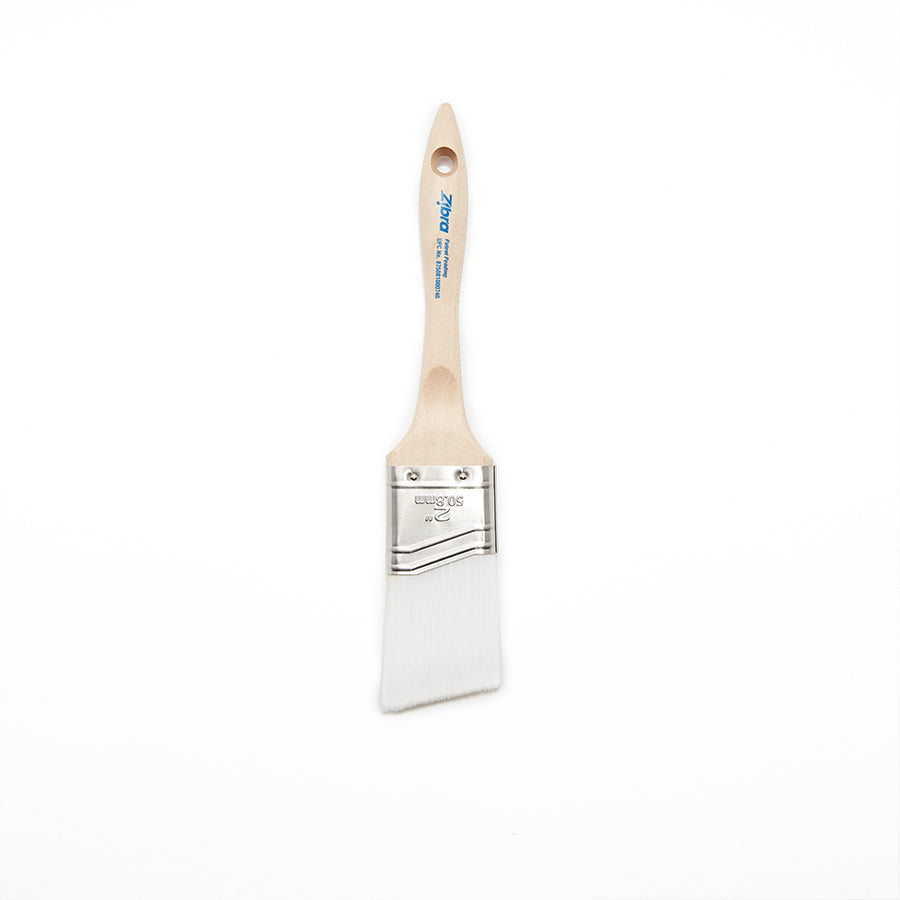
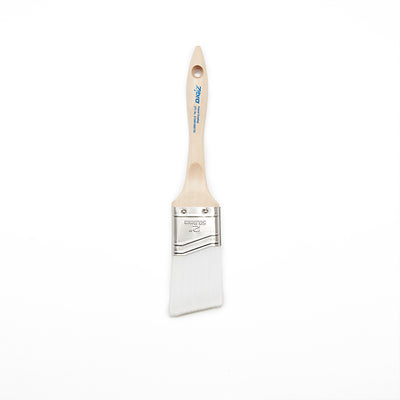
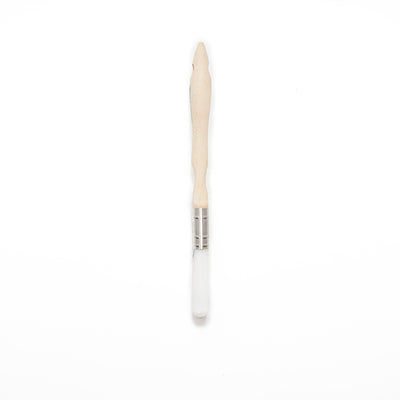
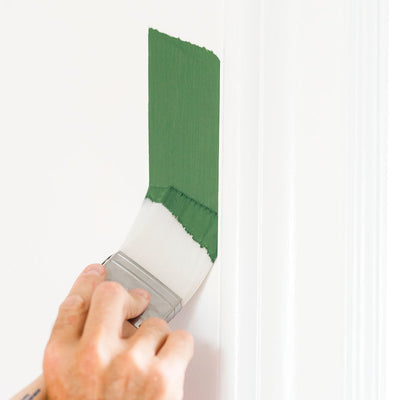
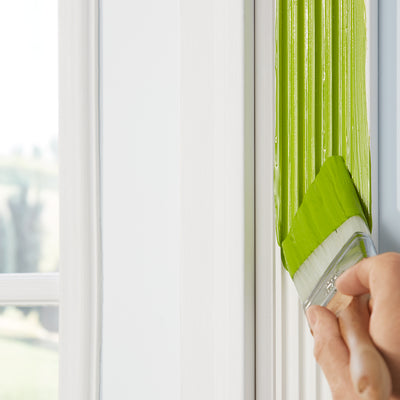
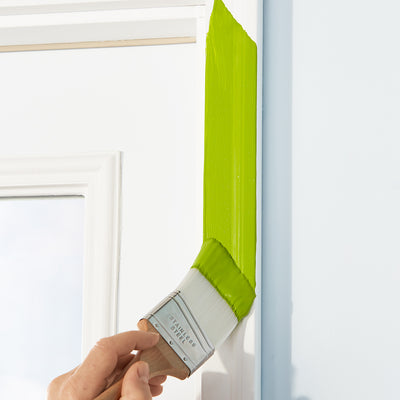
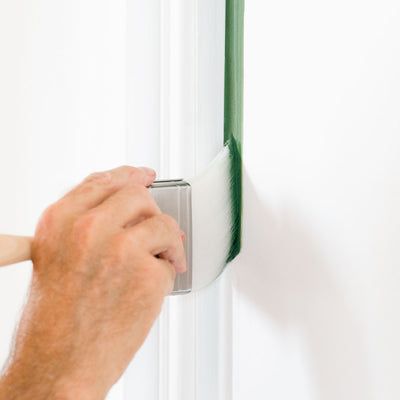
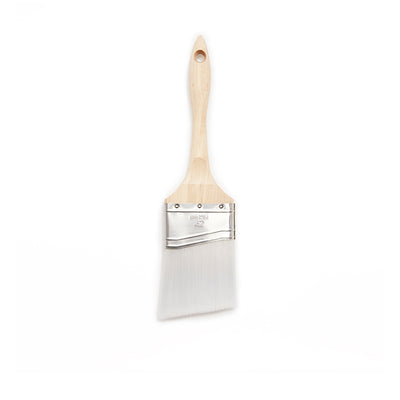
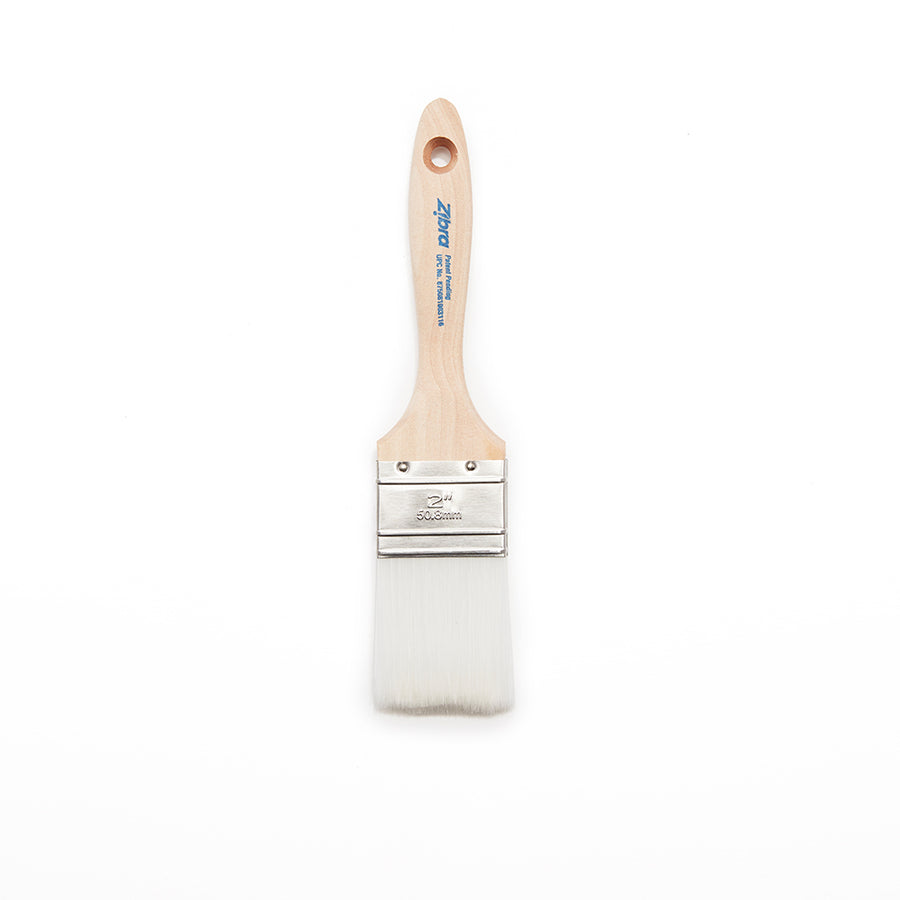
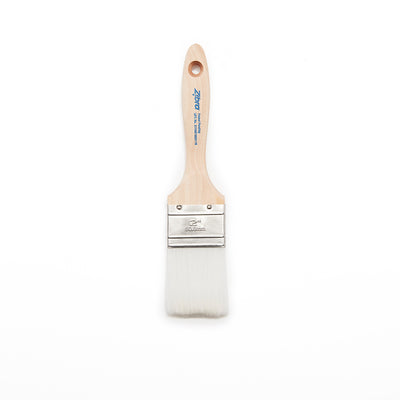
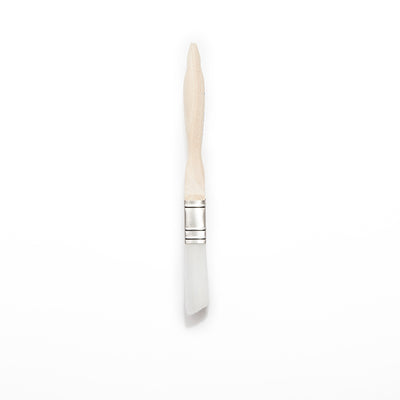
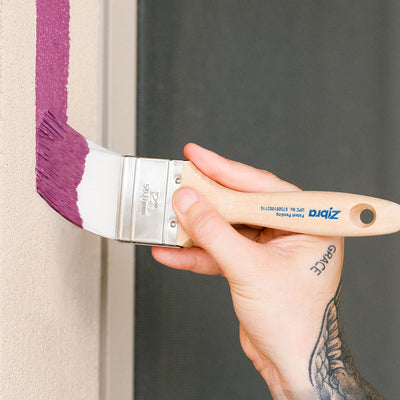
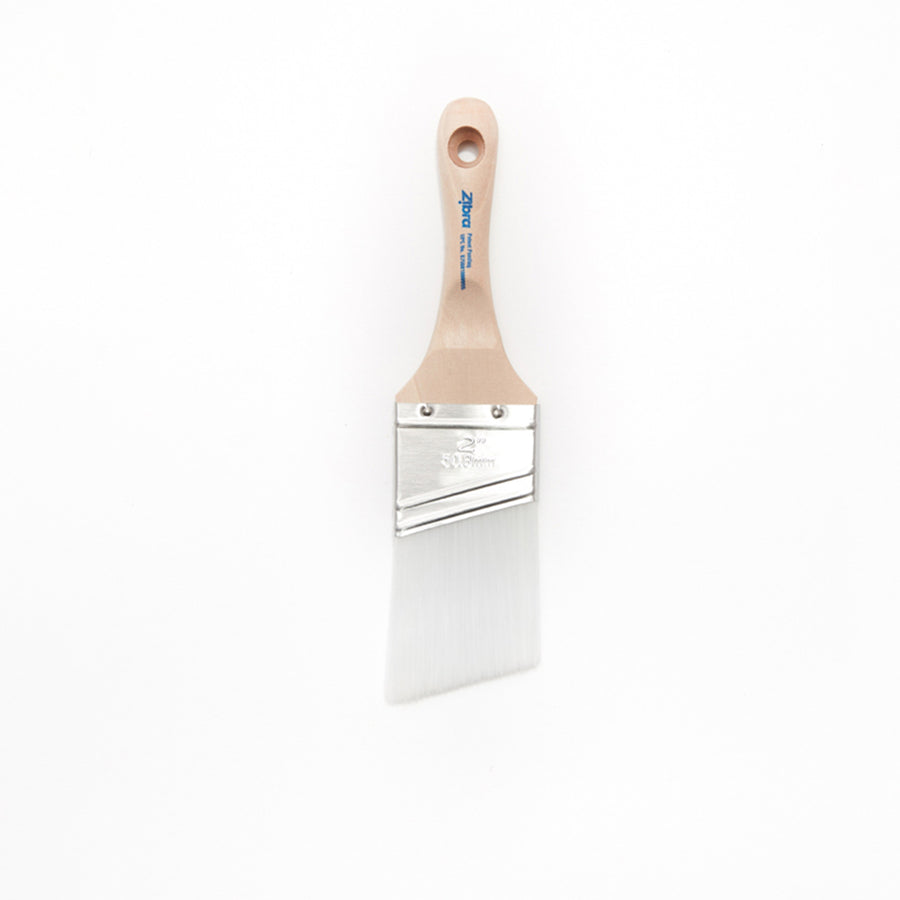
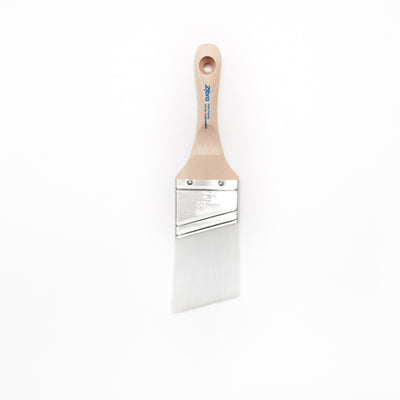
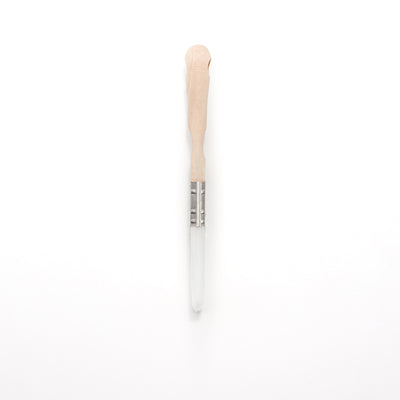
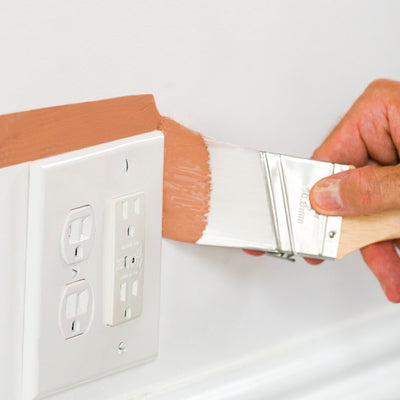
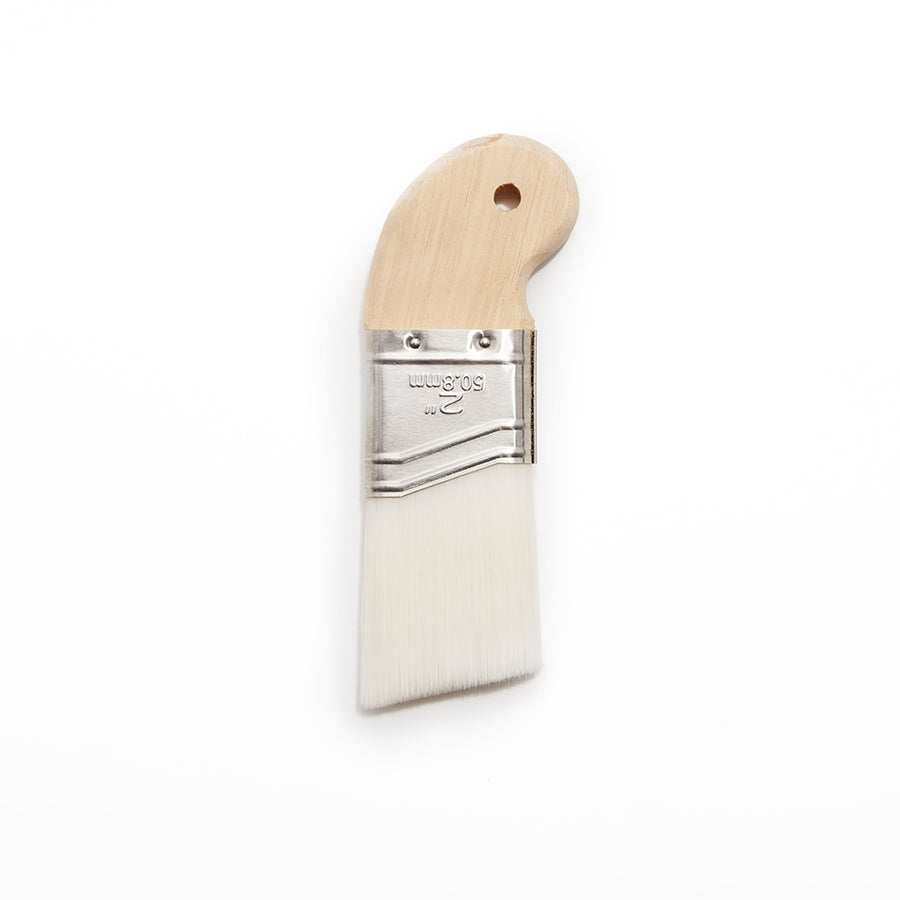
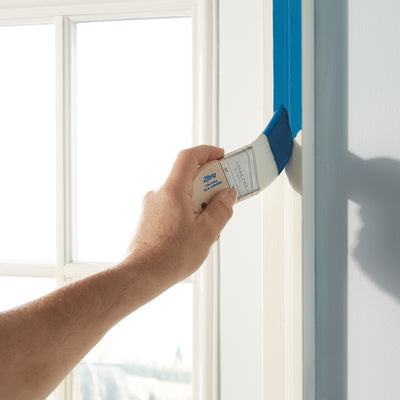
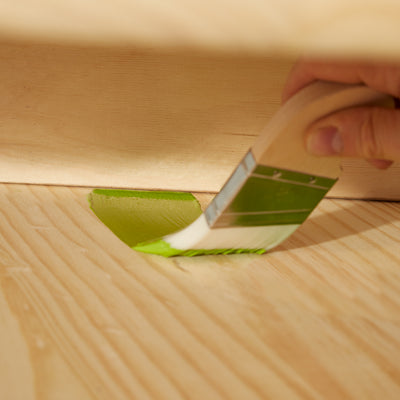
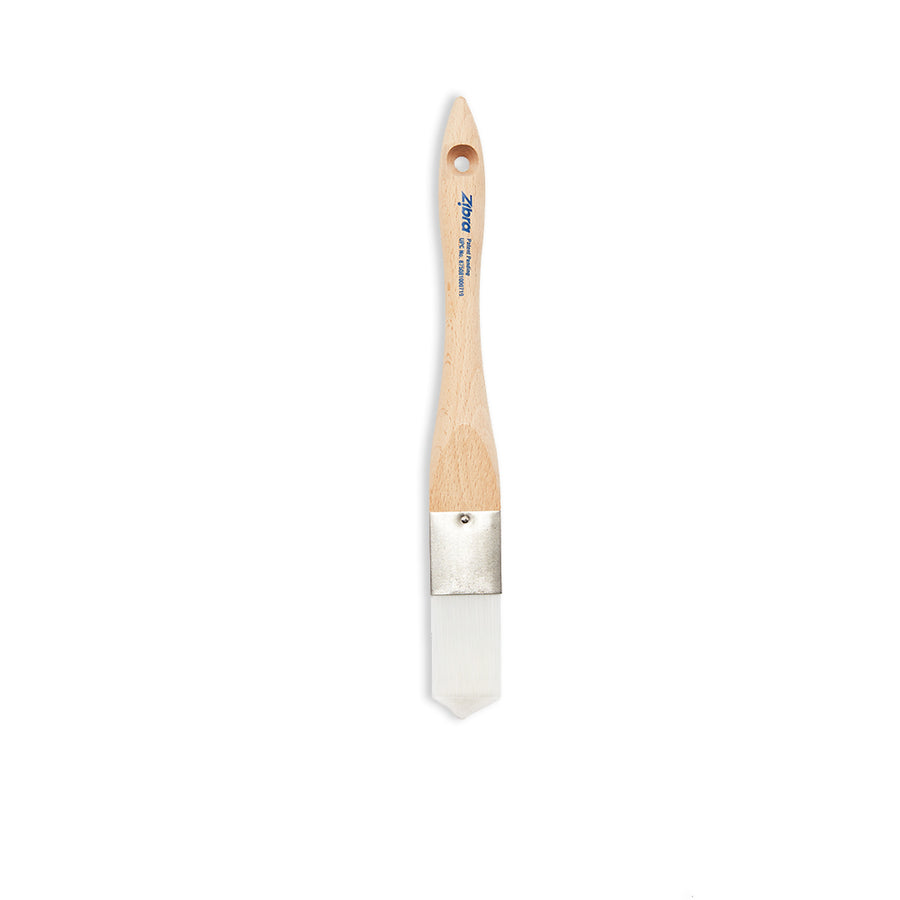
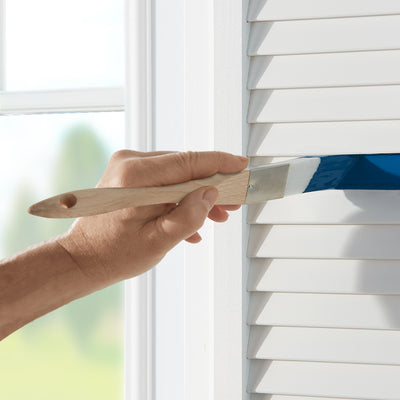
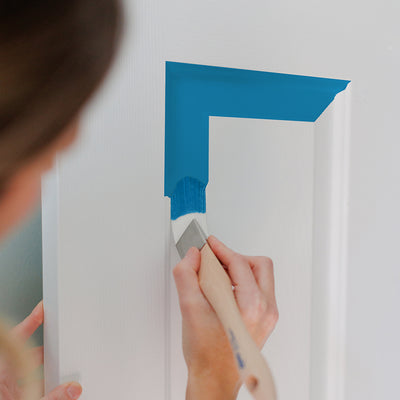
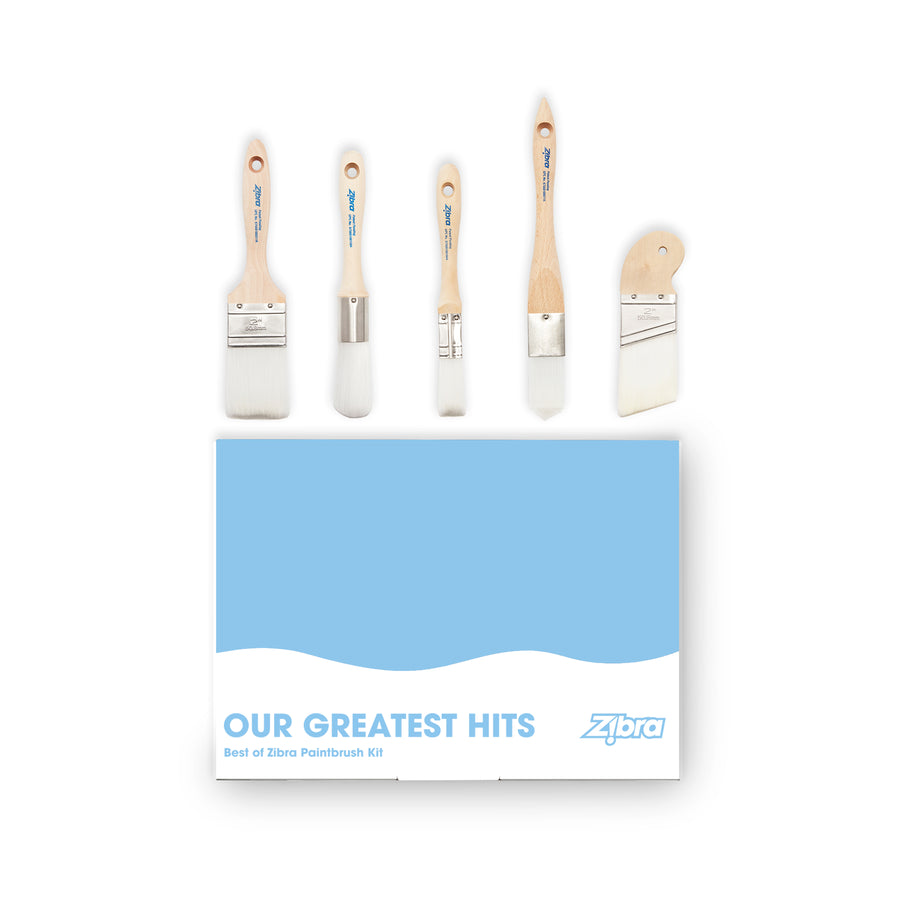
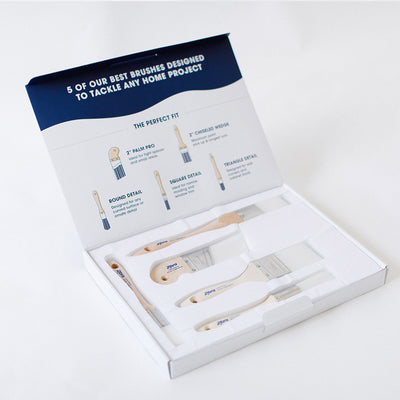
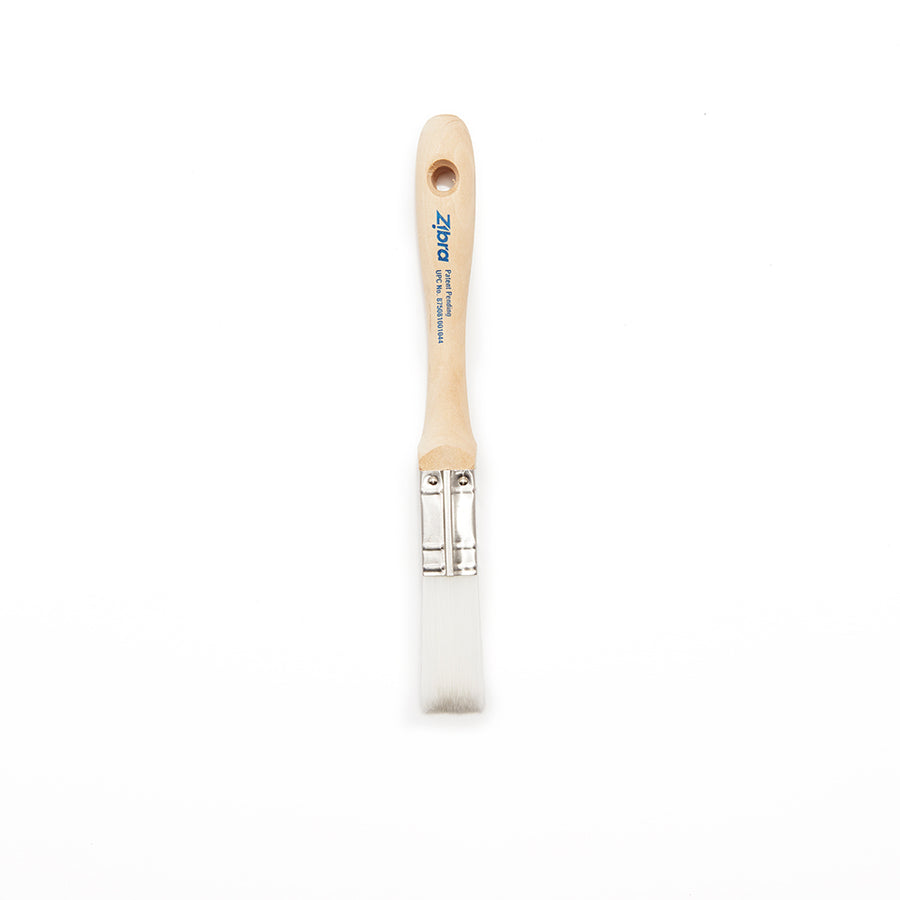
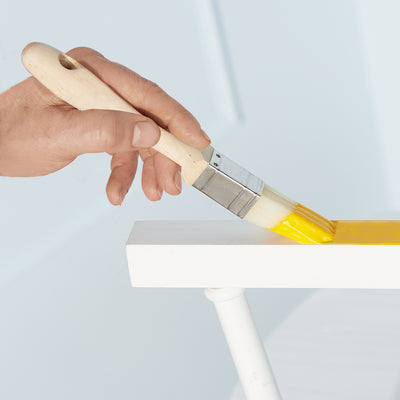
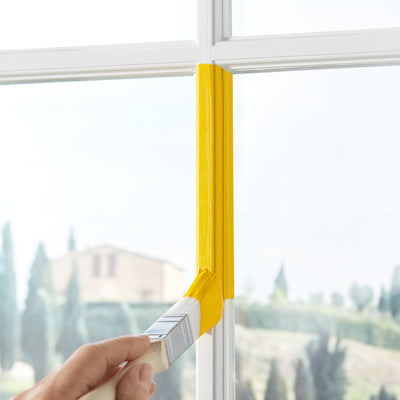
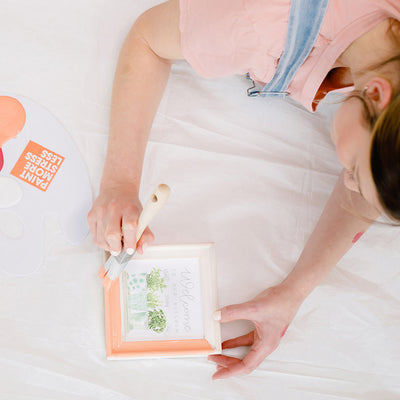
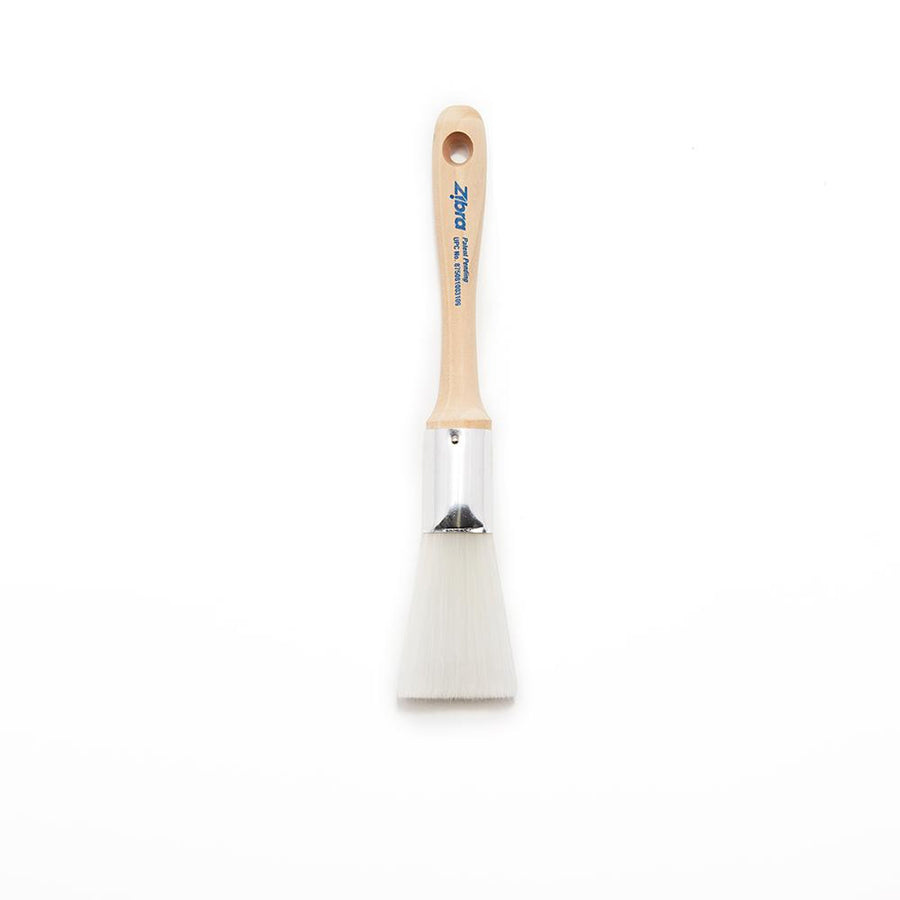
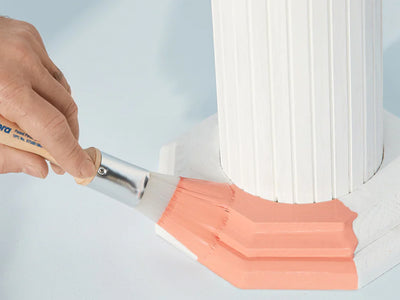
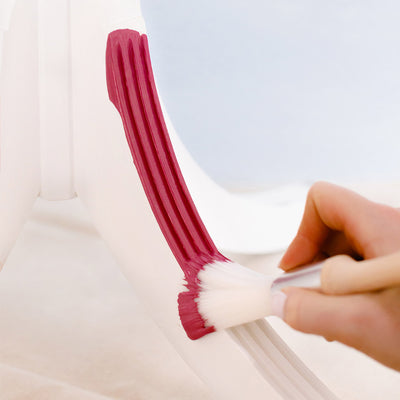
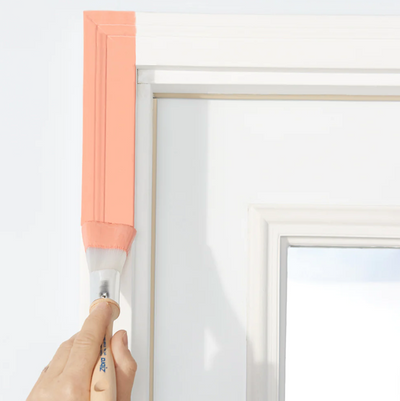
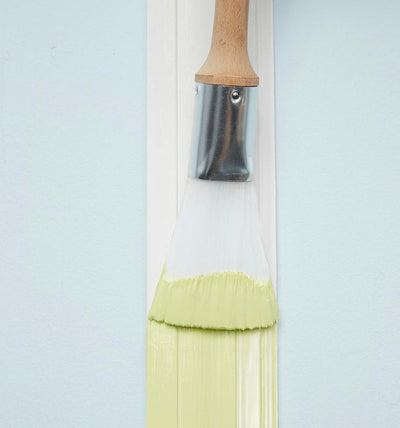
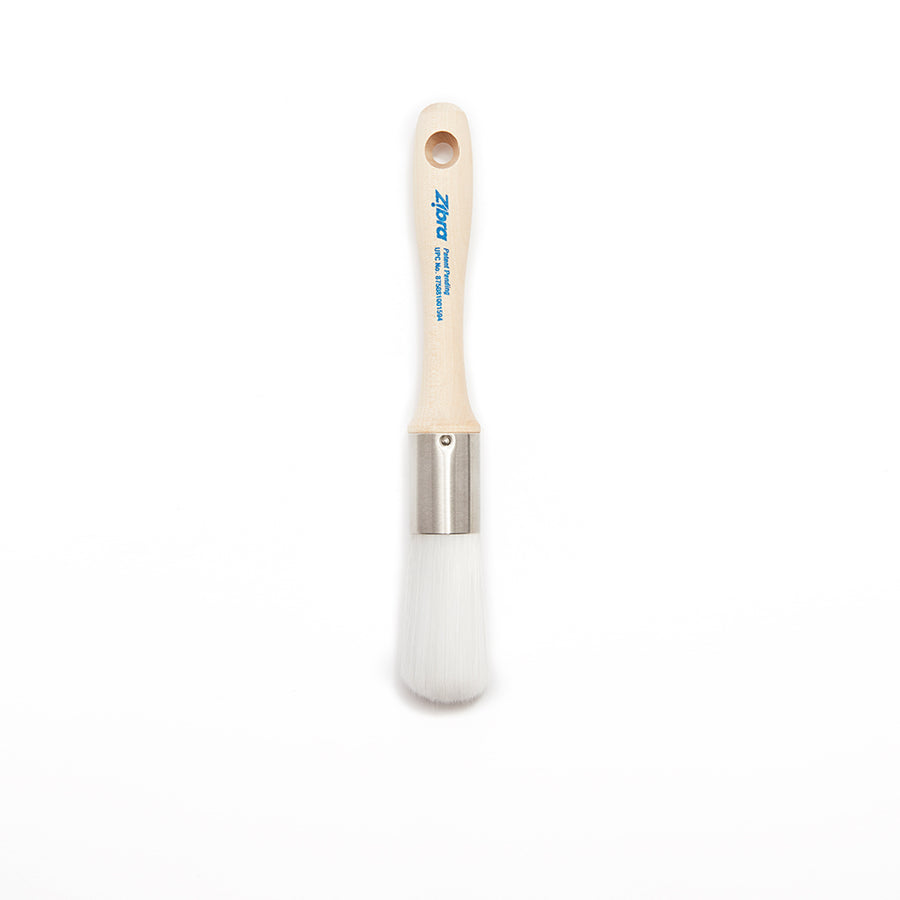
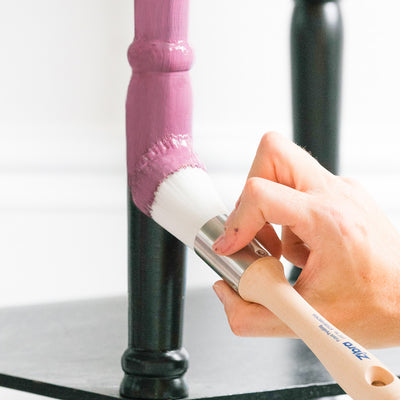
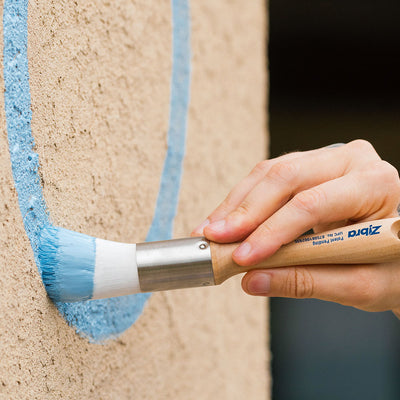
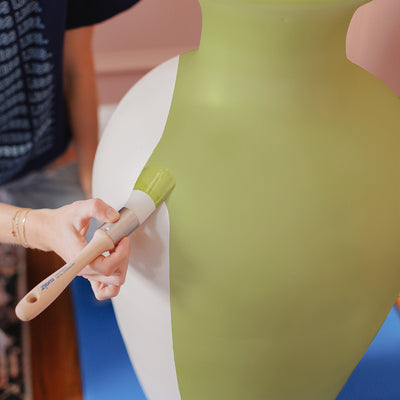
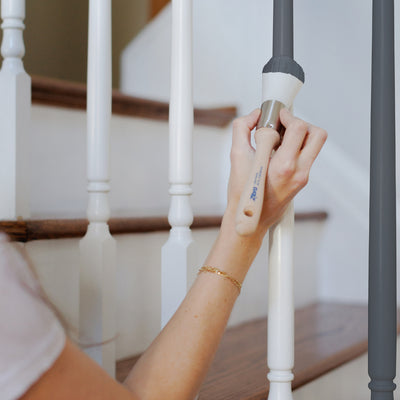
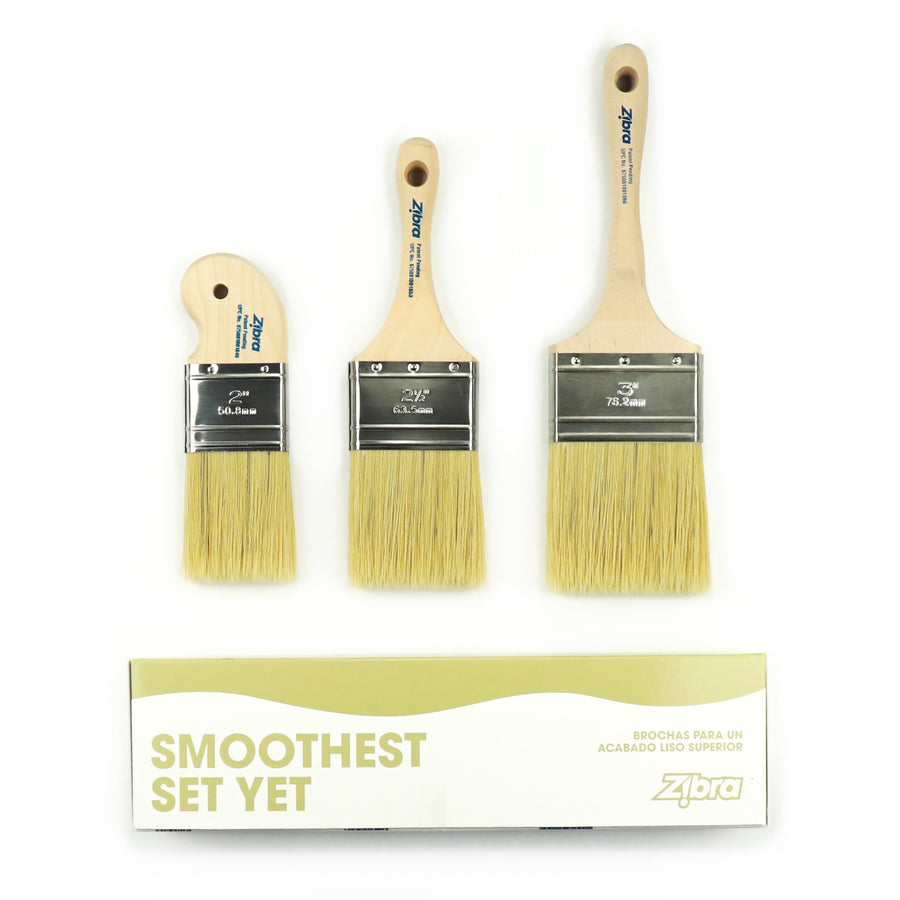
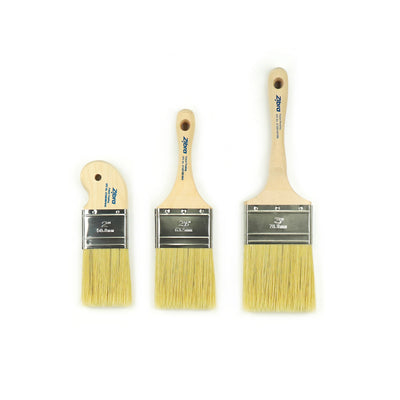
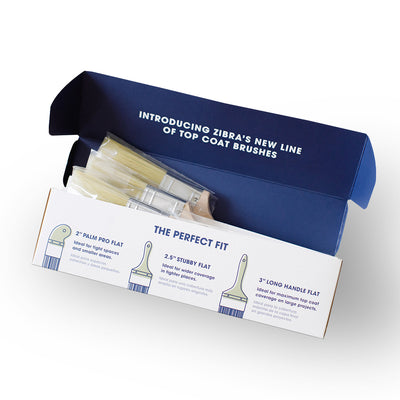
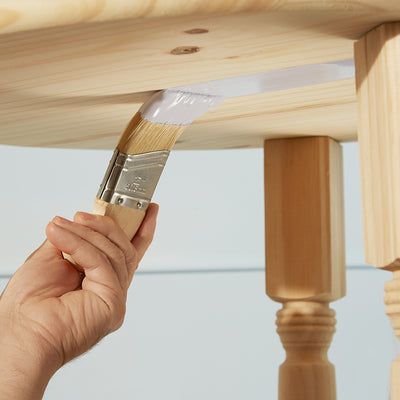
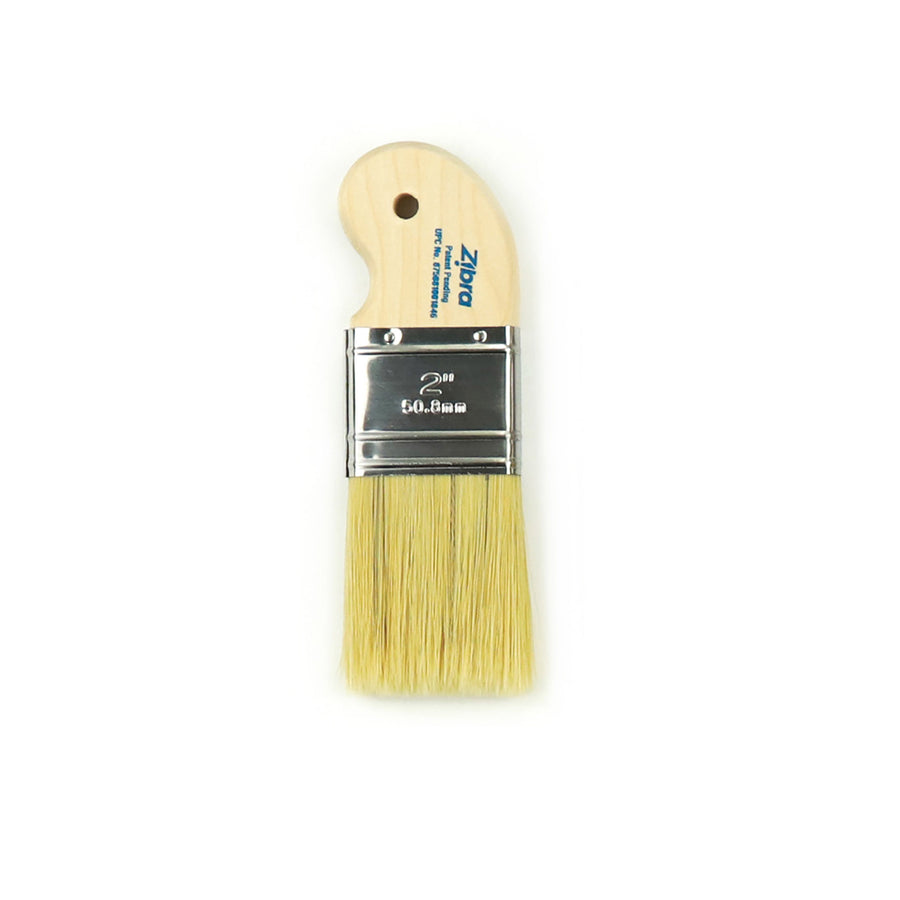
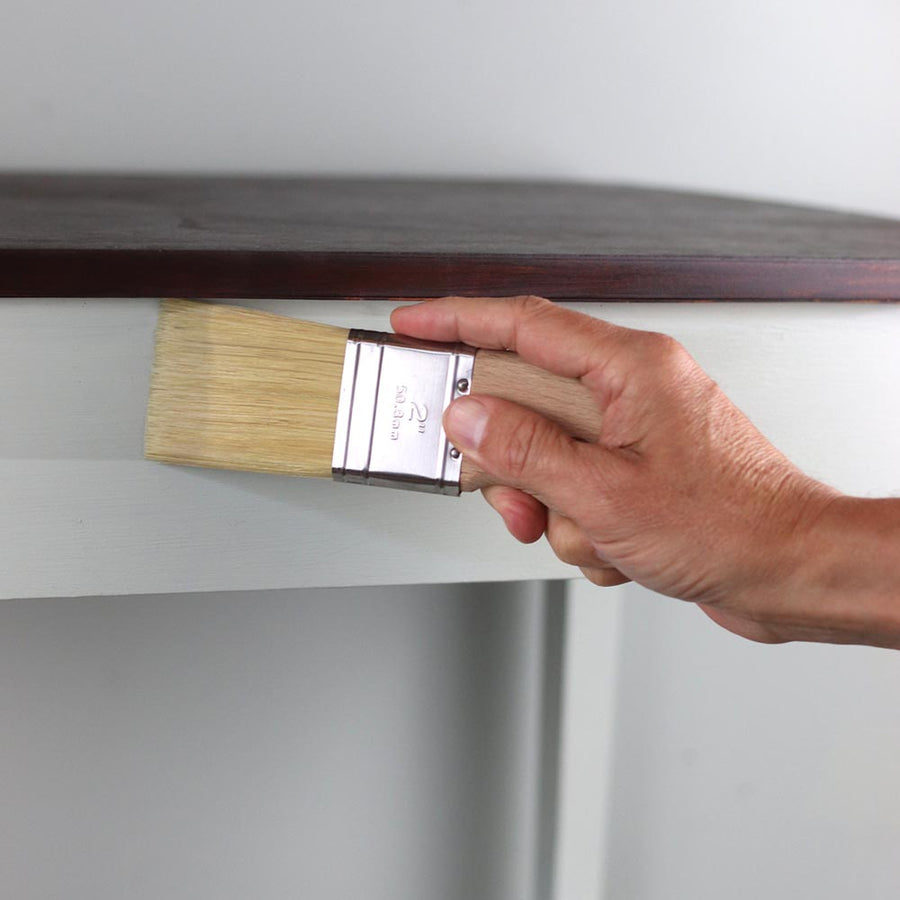
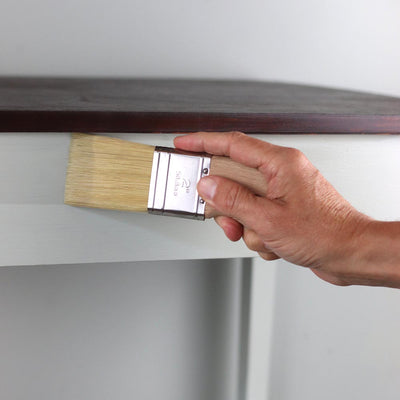
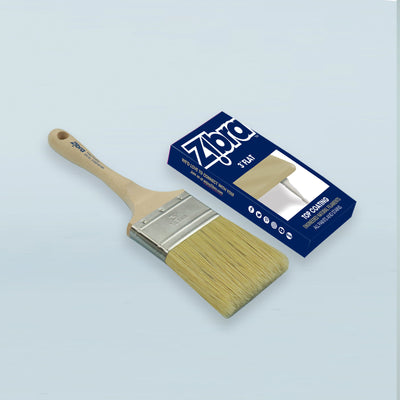
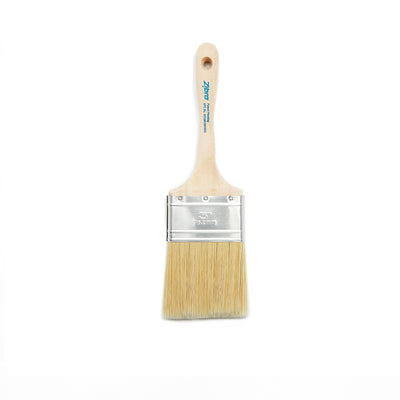
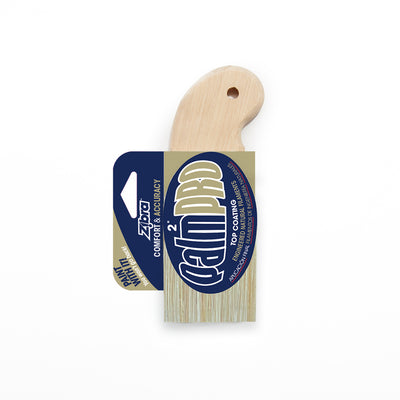
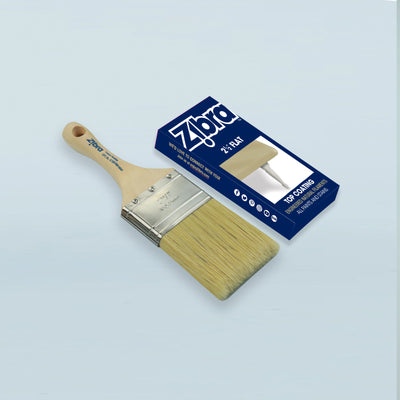
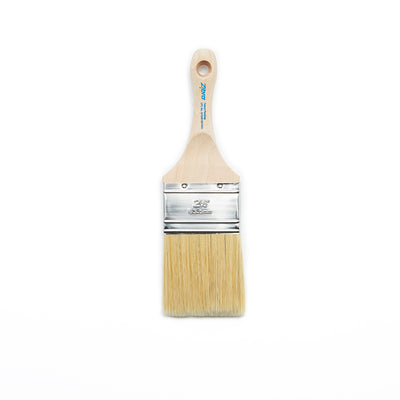
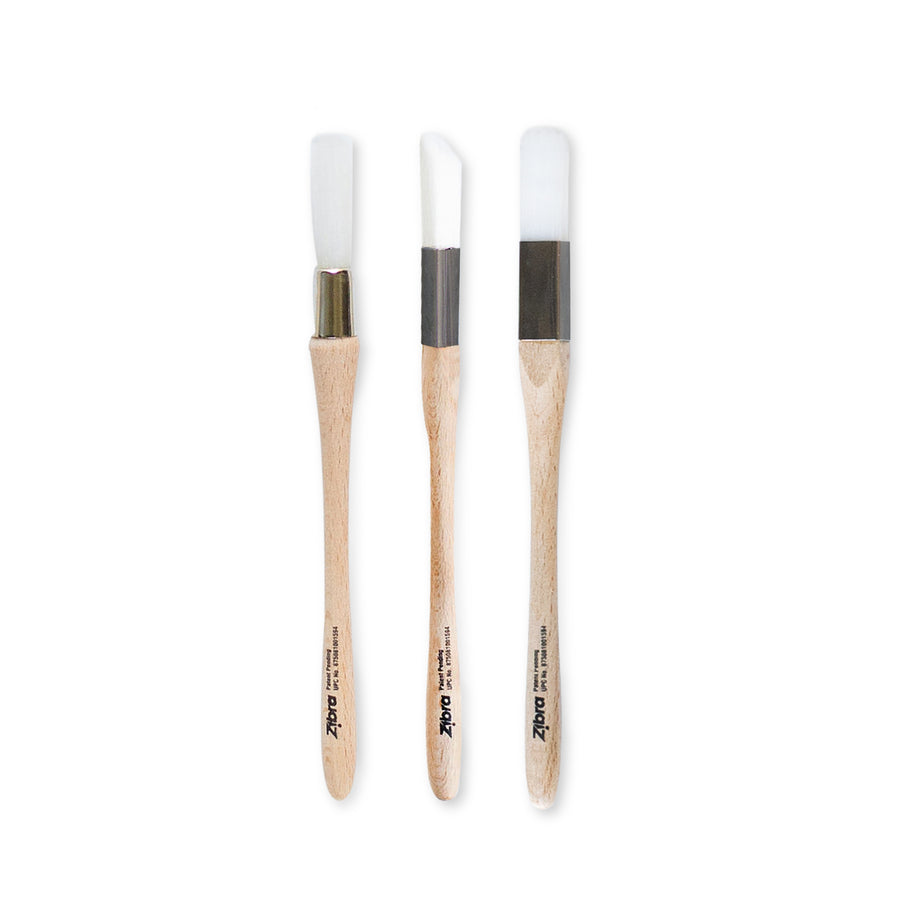
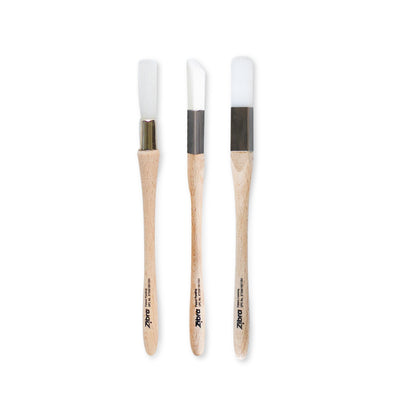
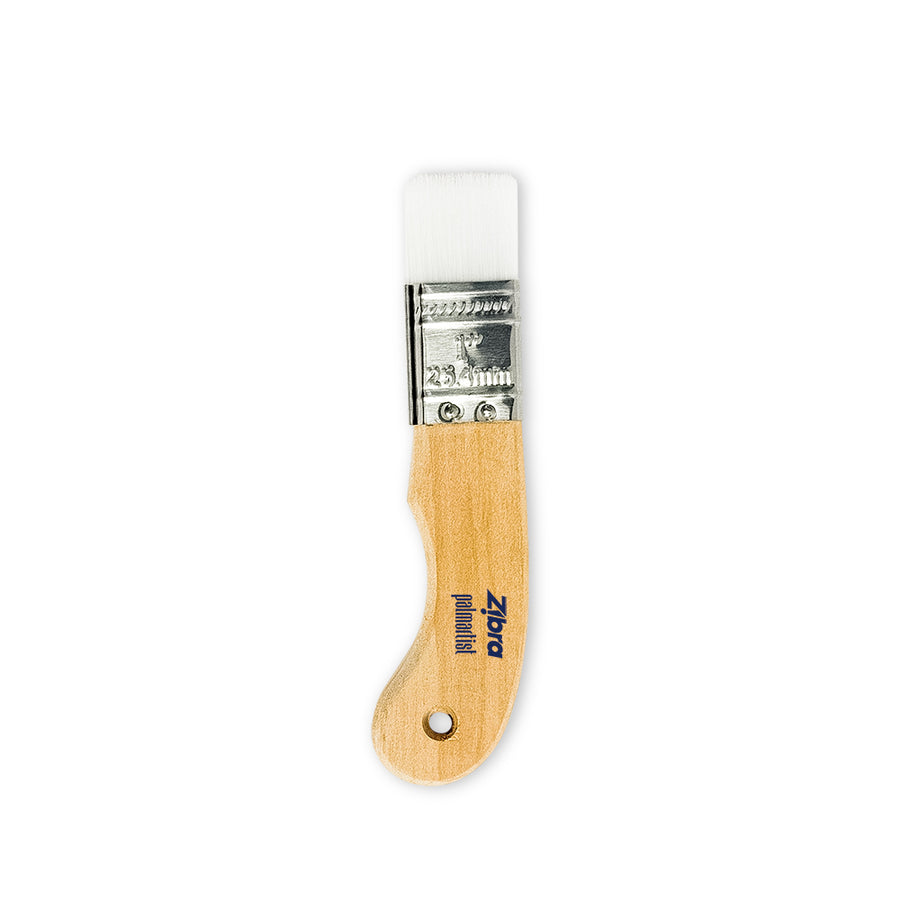
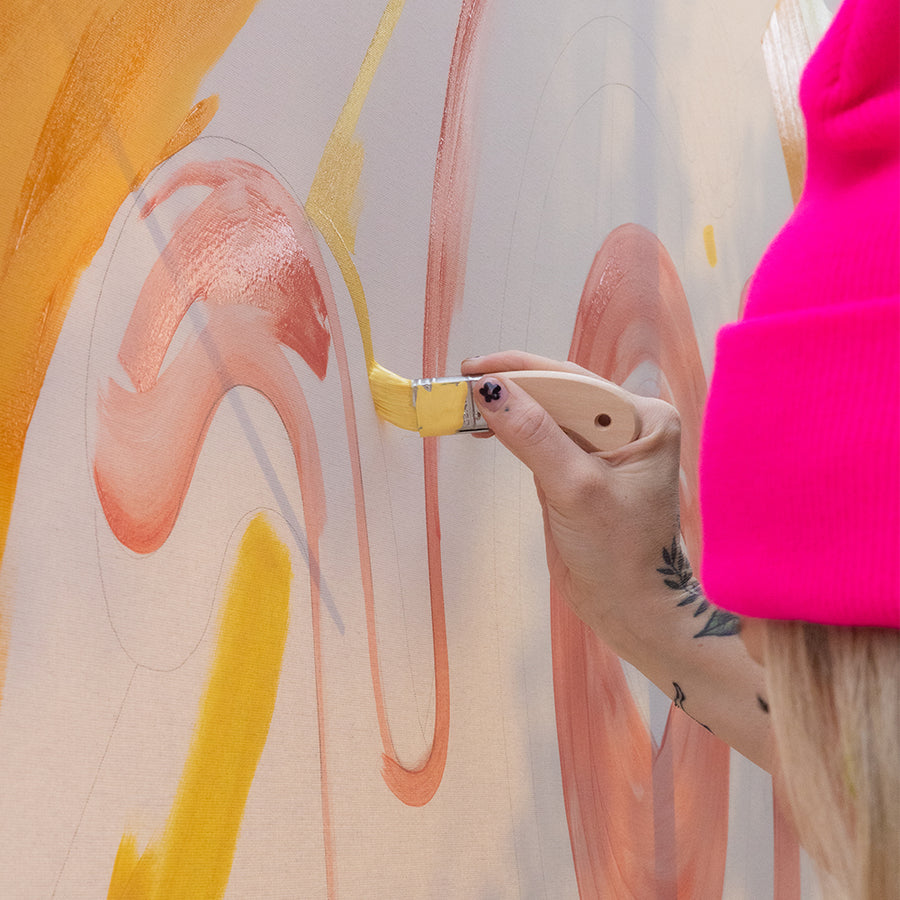
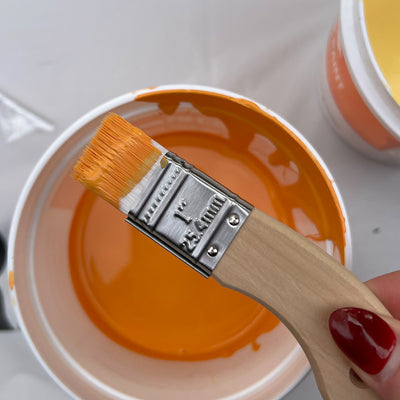
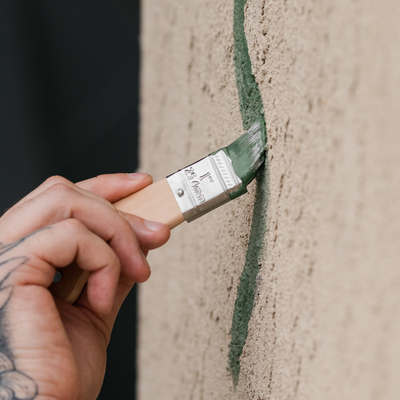
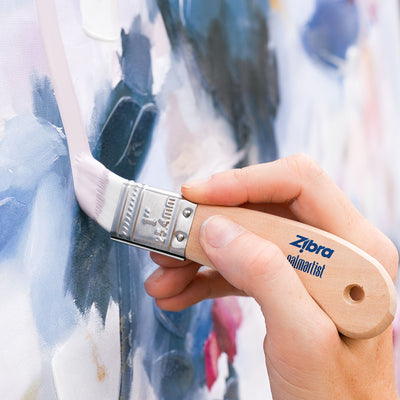
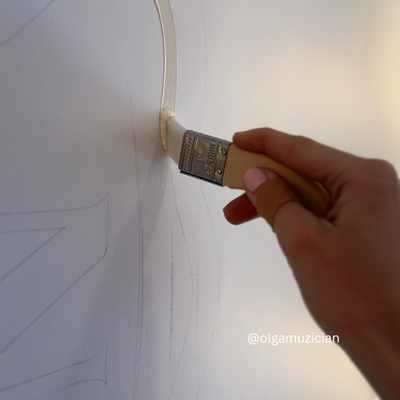
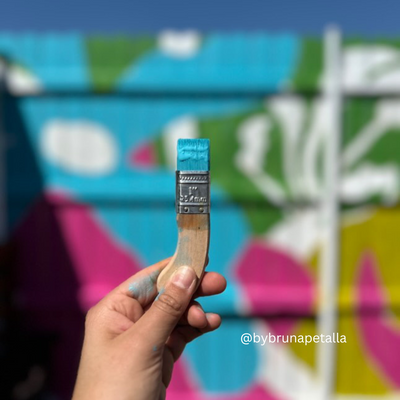
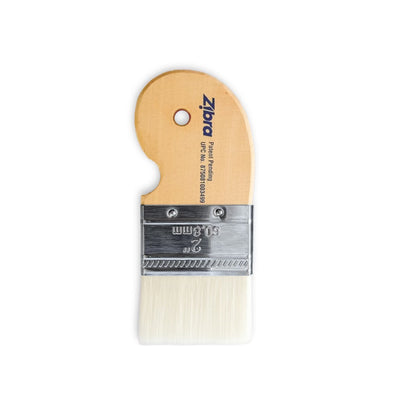
Invest in the best paint brushes to elevate your painting experience. Zibra's brushes, with their smoothest filaments, are designed for maximum pick up and release of paint, ensuring a flawless finish. Use the Best of Zibra Paintbrush Kit for detailed work and the Zibra Top Coat Paint Brush for top coats or larger surfaces.

Strategic Approach: Breaking into Sections
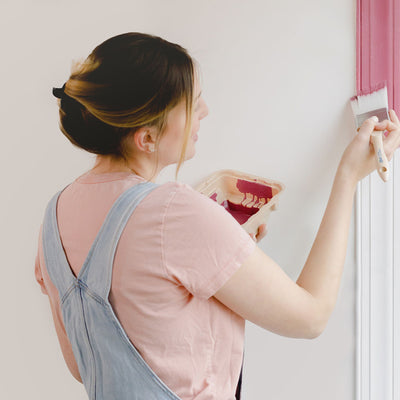
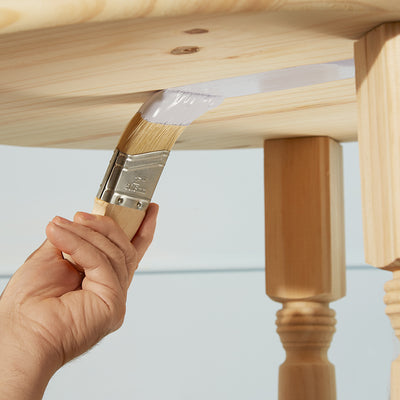
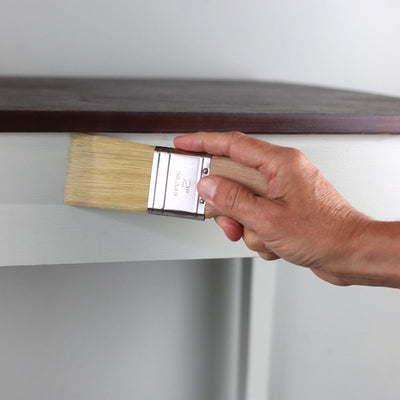
Divide your painting project into smaller sections to maintain even strokes across the entire surface. Zibra's unique hourglass handle design ensures a comfortable grip, allowing for precise strokes without fatigue.
Patience Pays Off
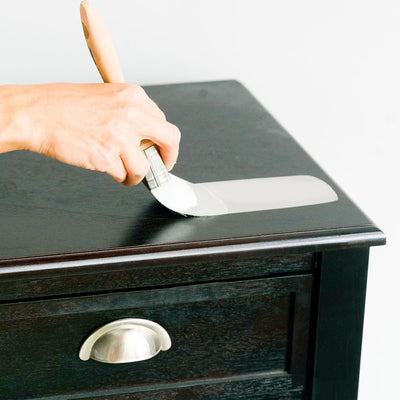
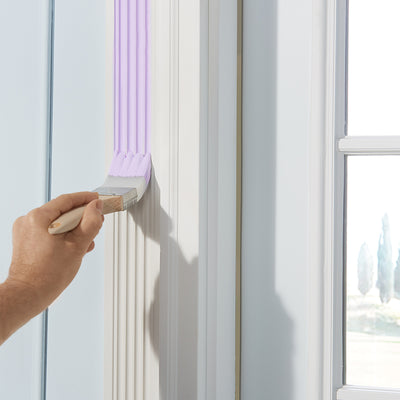
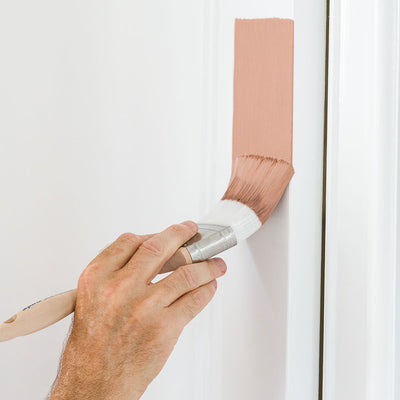
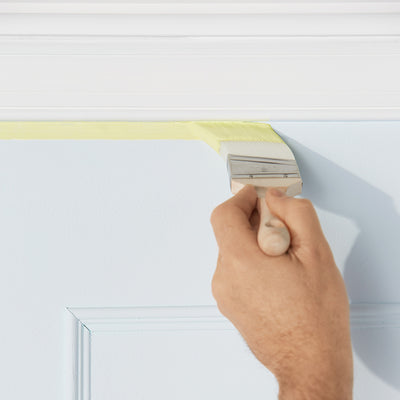
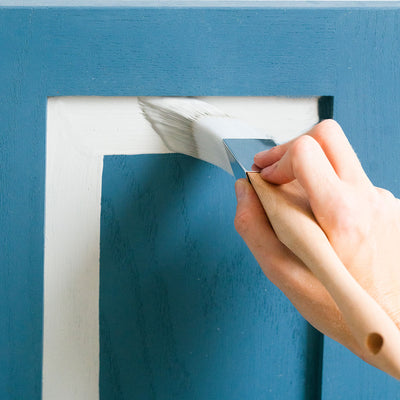
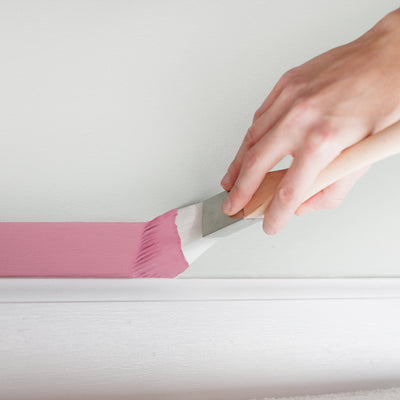
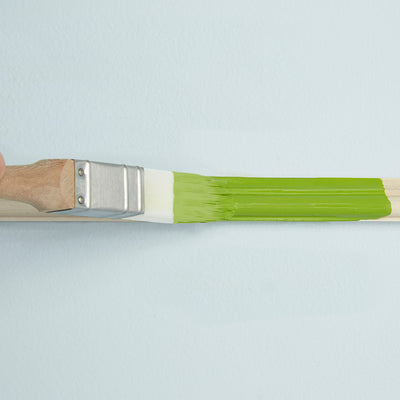
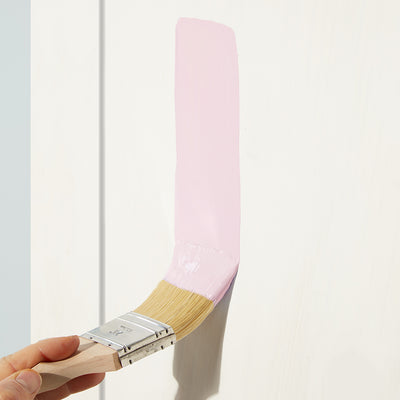
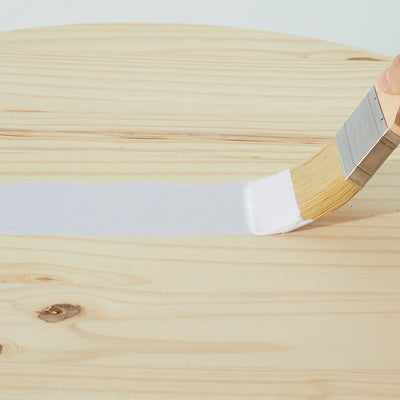
While it's tempting to rush through a painting job, slowing down is key to avoiding brush strokes. Patient strokes ensure an even and consistent application, resulting in a professional-looking finish.
Apply Two Coats
Opt for two coats of paint for a smooth and polished appearance. Ensure the first coat dries completely before applying the second to allow for proper adhesion and eliminate gaps between layers.
Horizontal Brush Strokes
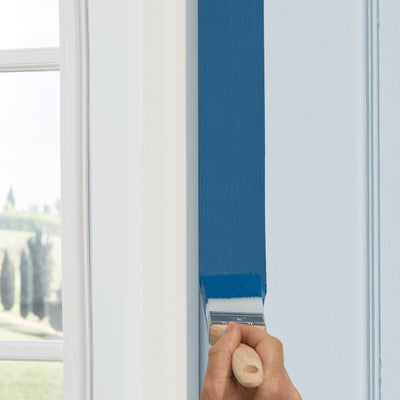
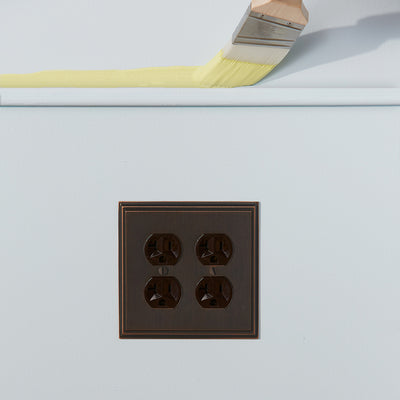
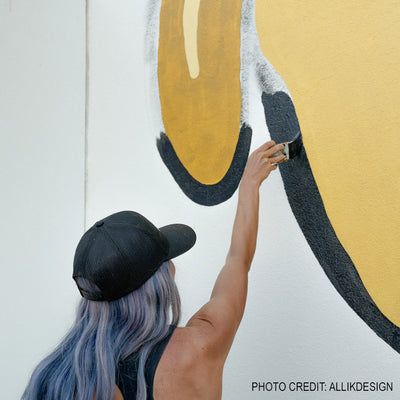
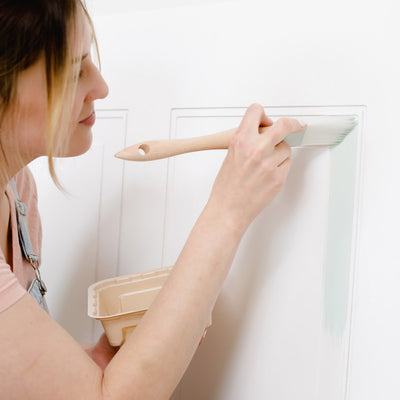
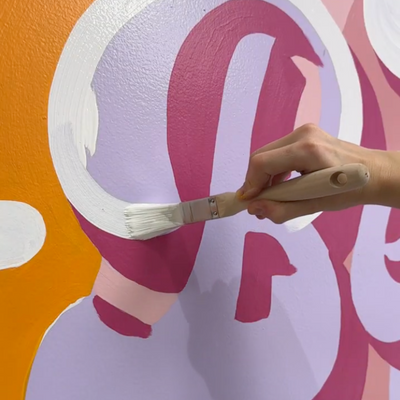
When painting a wall, go horizontal with your brush strokes. This technique can minimize visible streaks, creating a seamless and uniform finish.
Smoothing Out Imperfections: Mix Additives
For an extra level of smoothness, consider mixing additives like water or linseed oil with your paint to prevent brush marks.
Transform your painting experience with Zibra's top-notch brushes and these expert techniques for a brushstroke-free masterpiece. Don't forget to tag Zibra on social media when you post photos of your brushstroke-free project! Use @zibrapainting and join our mailing list to learn more tips and tricks!